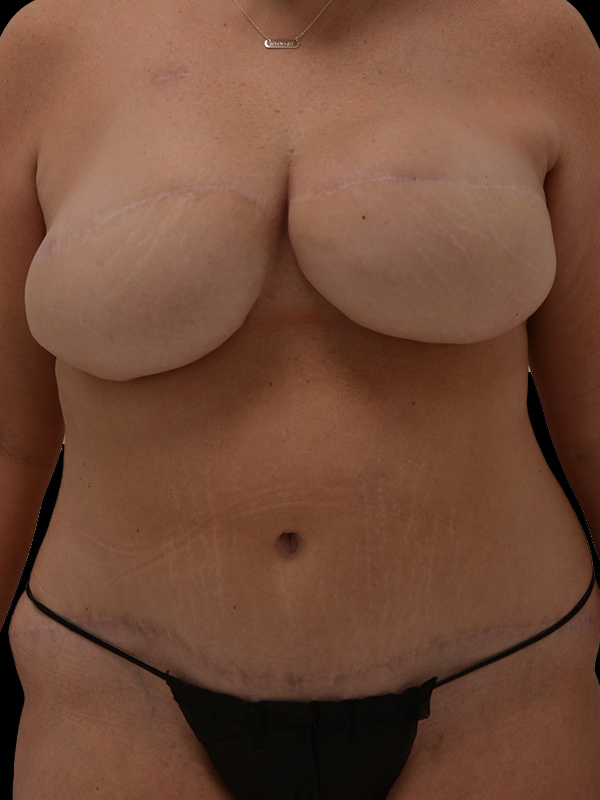
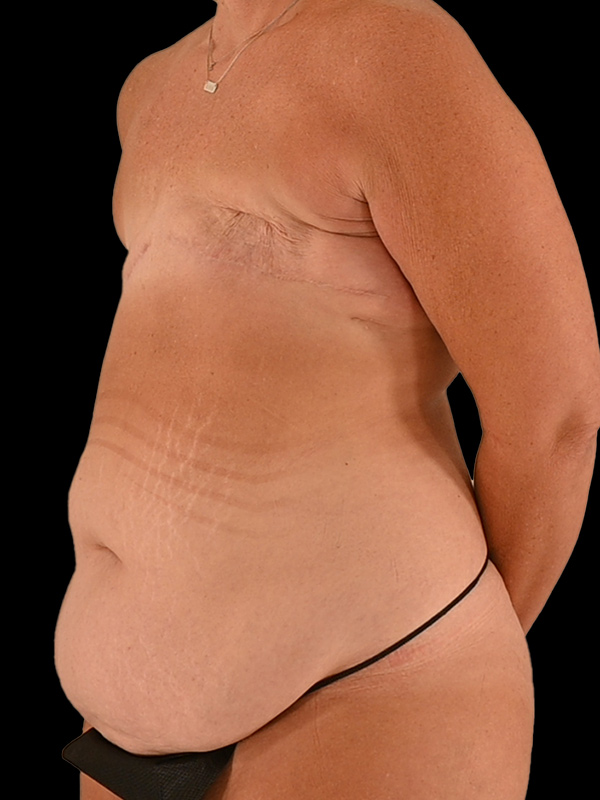
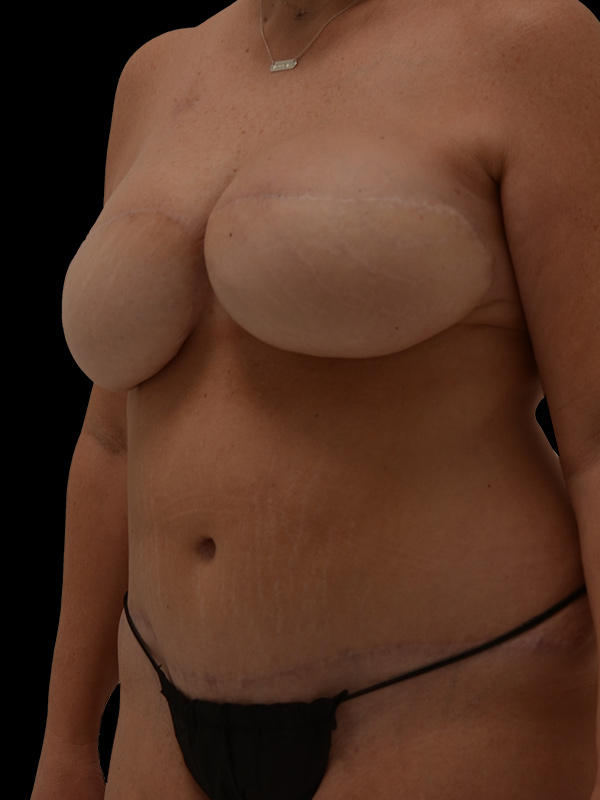
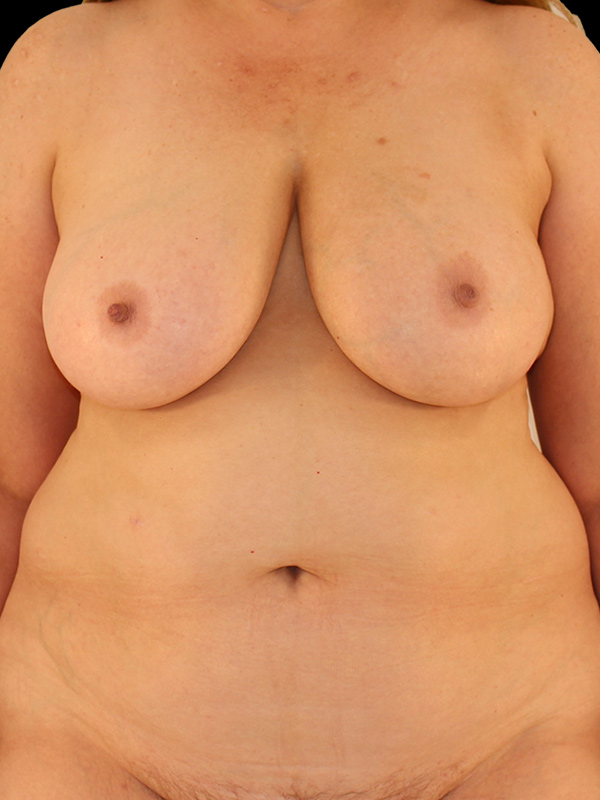
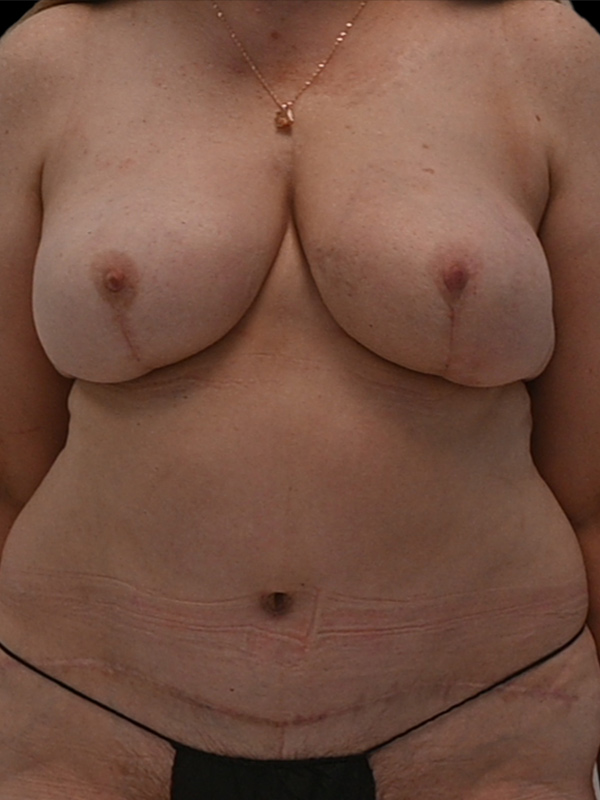
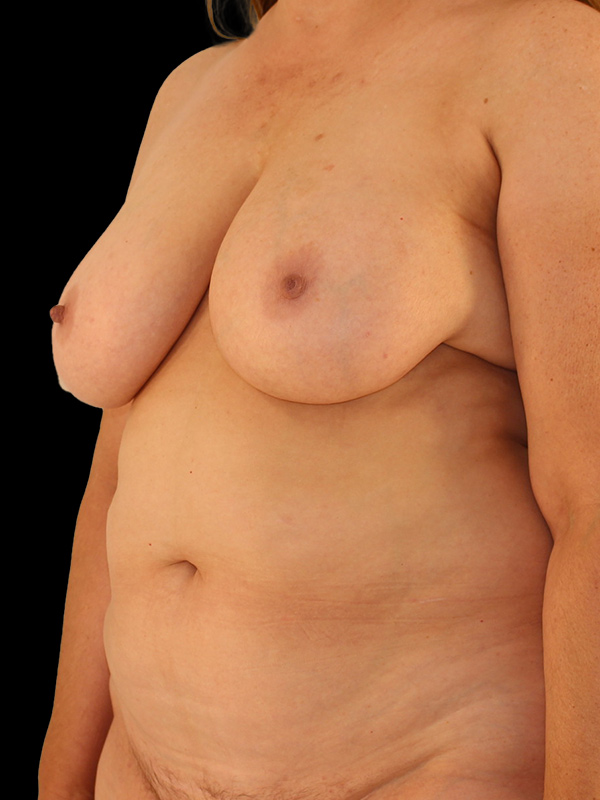
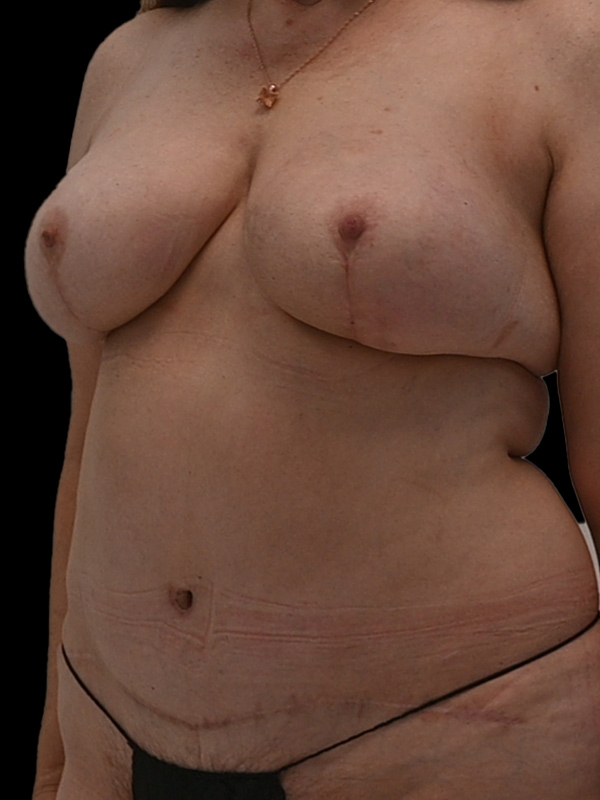
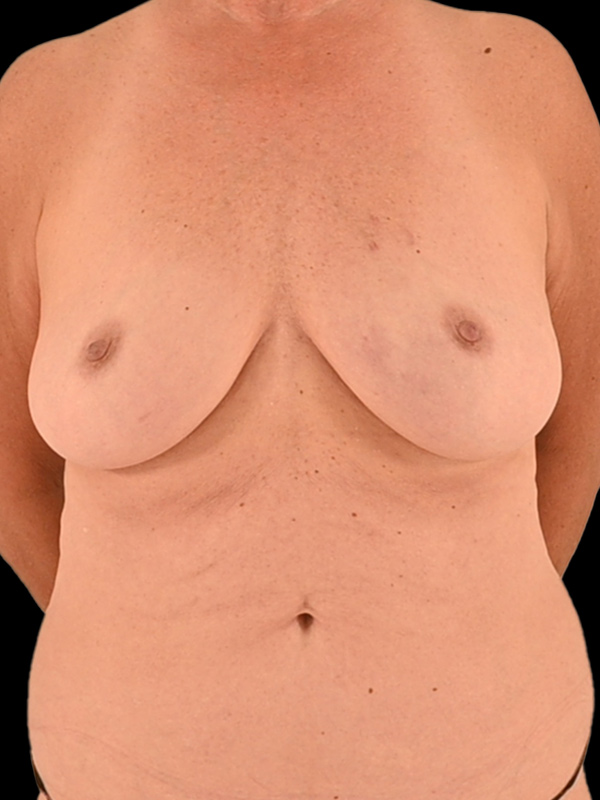
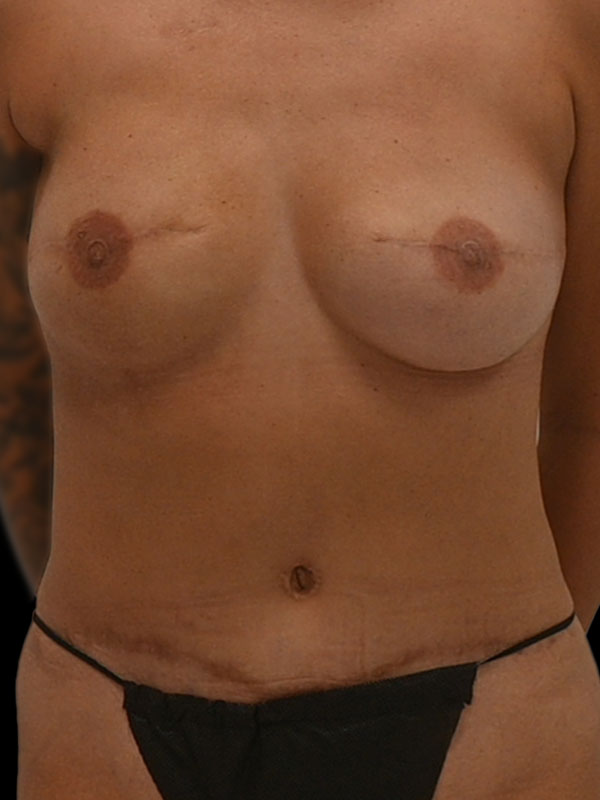
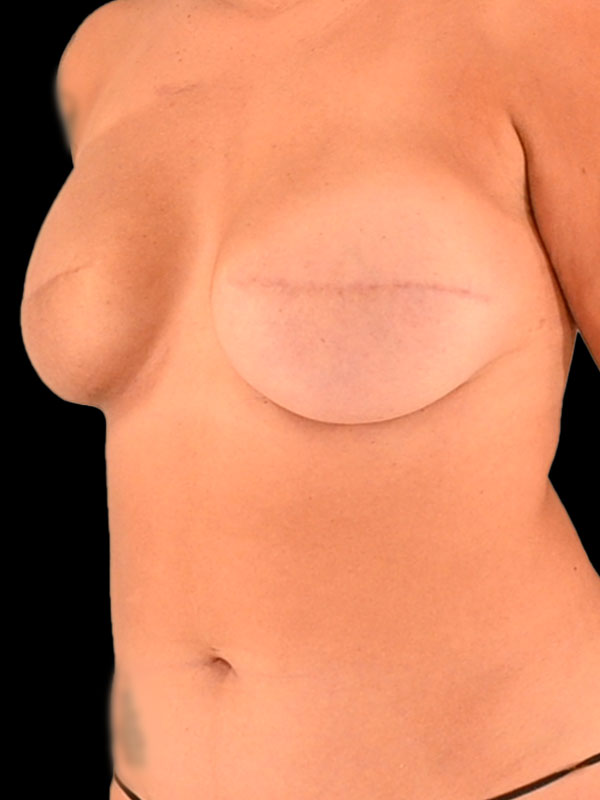
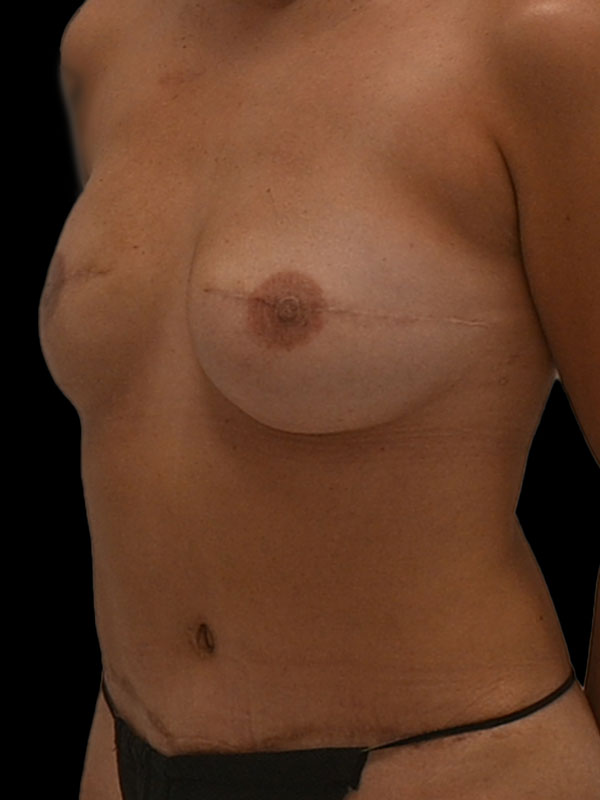
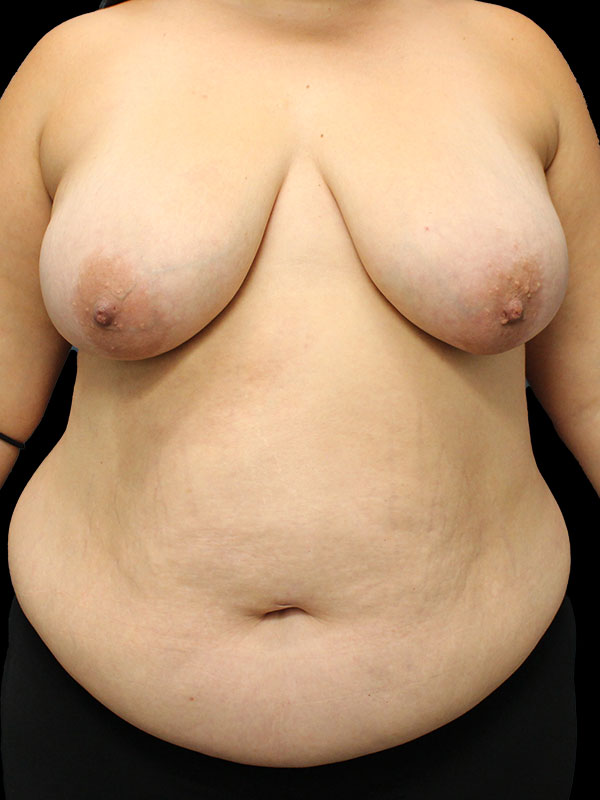
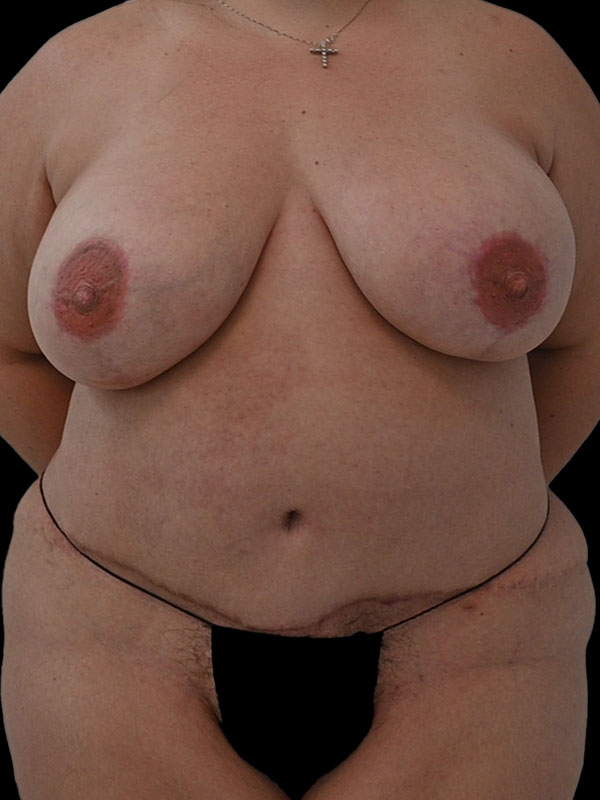
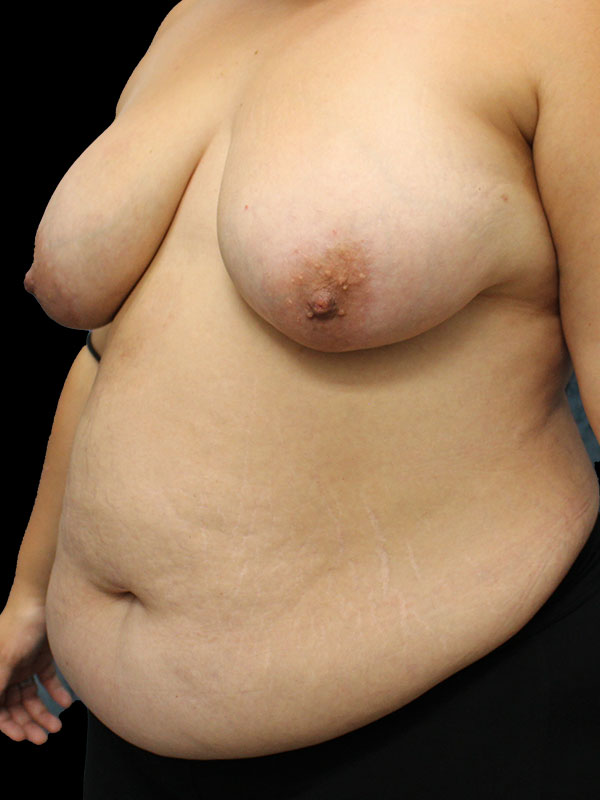
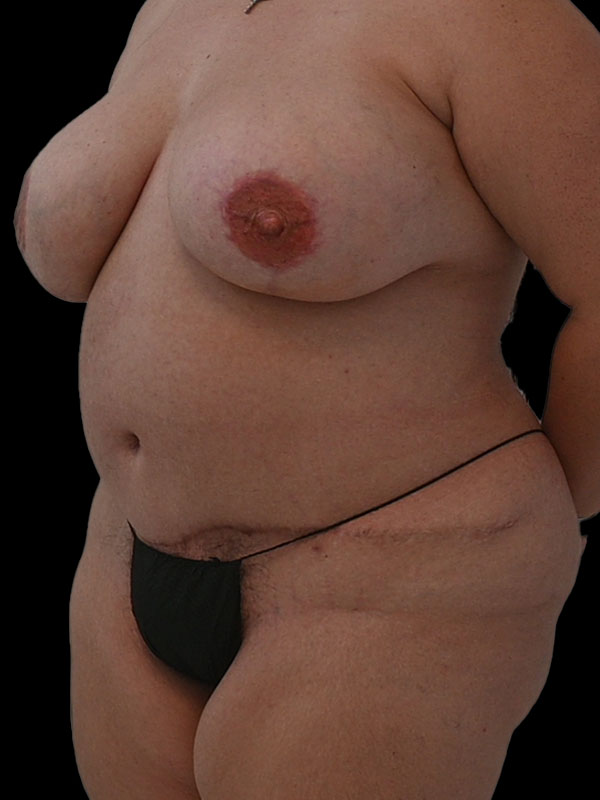
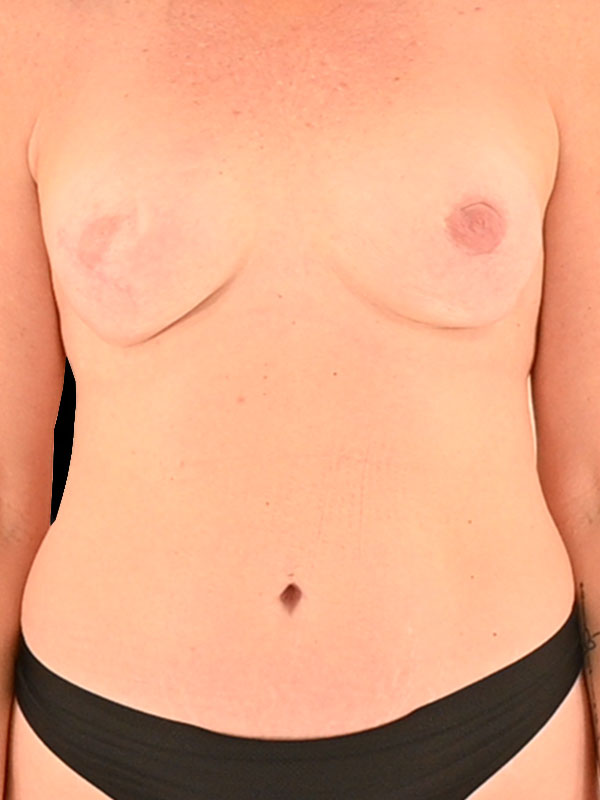
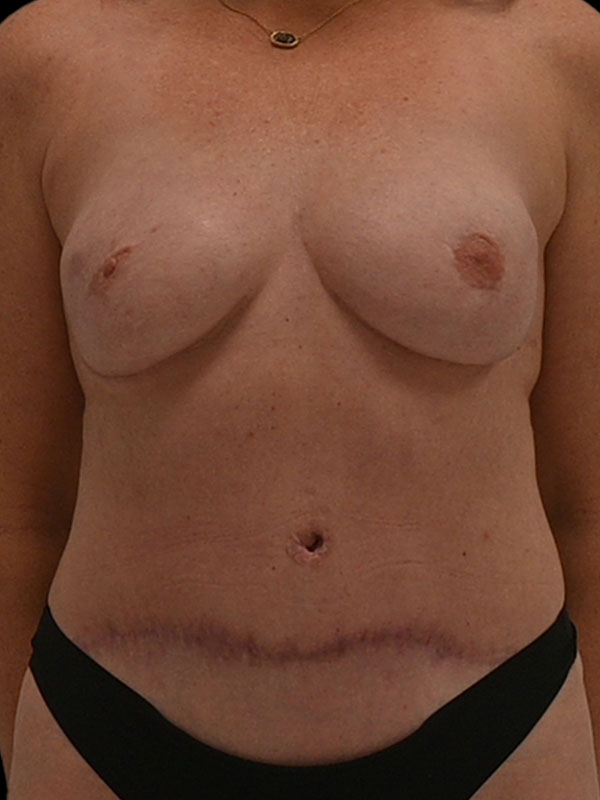
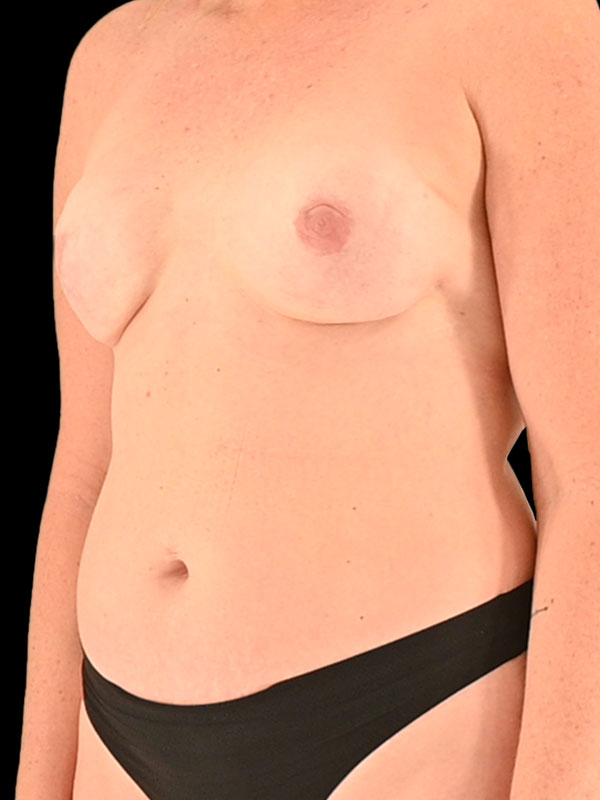
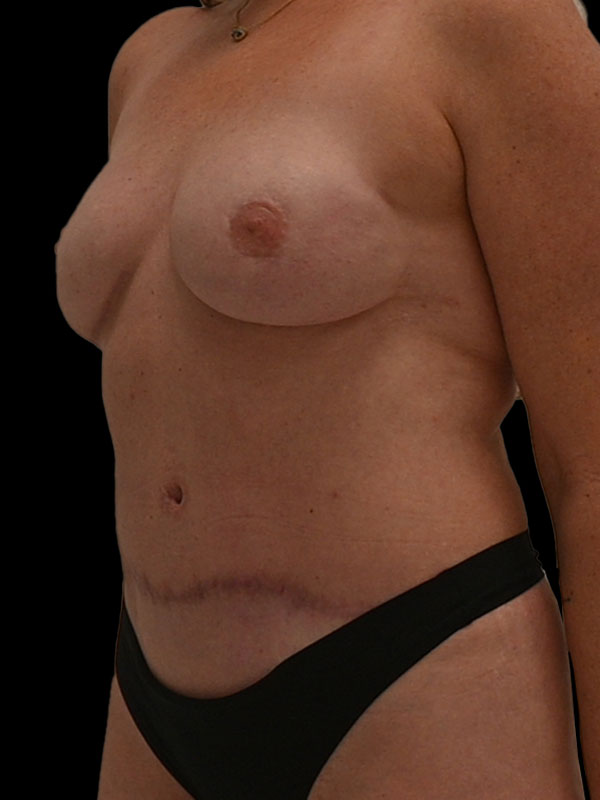
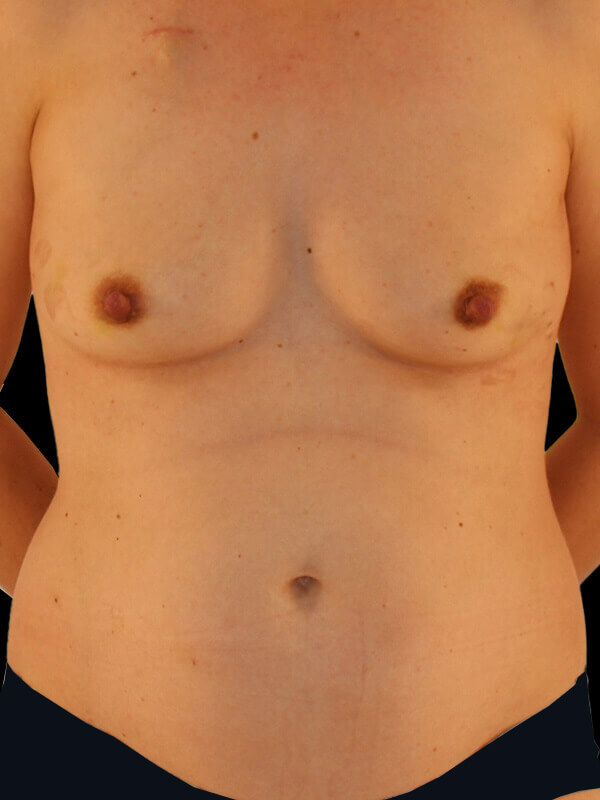
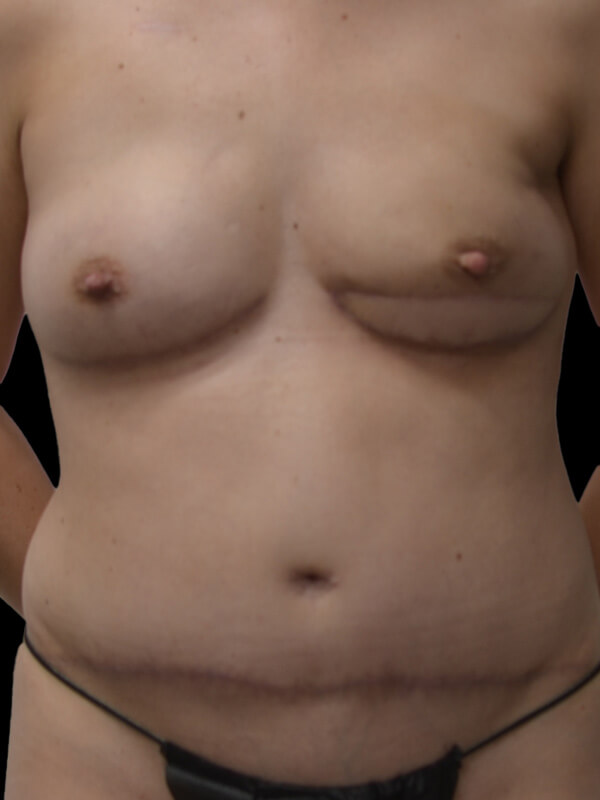
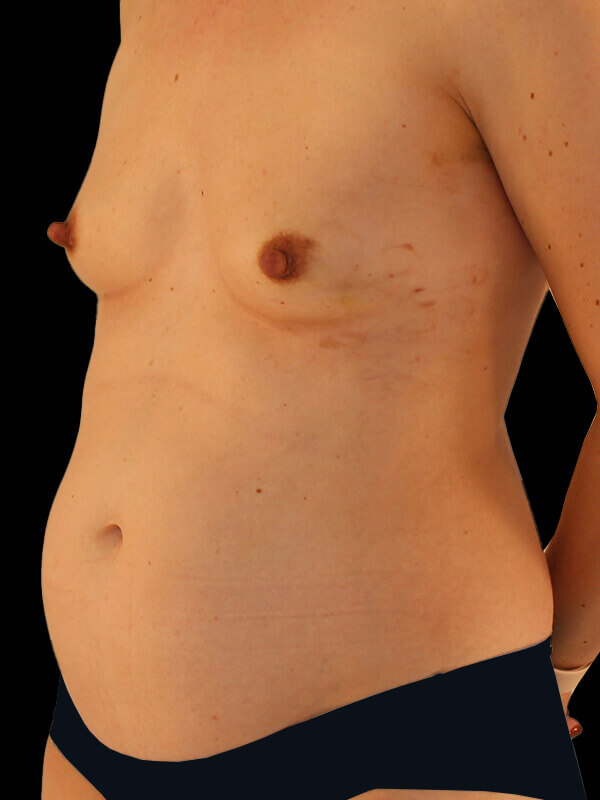
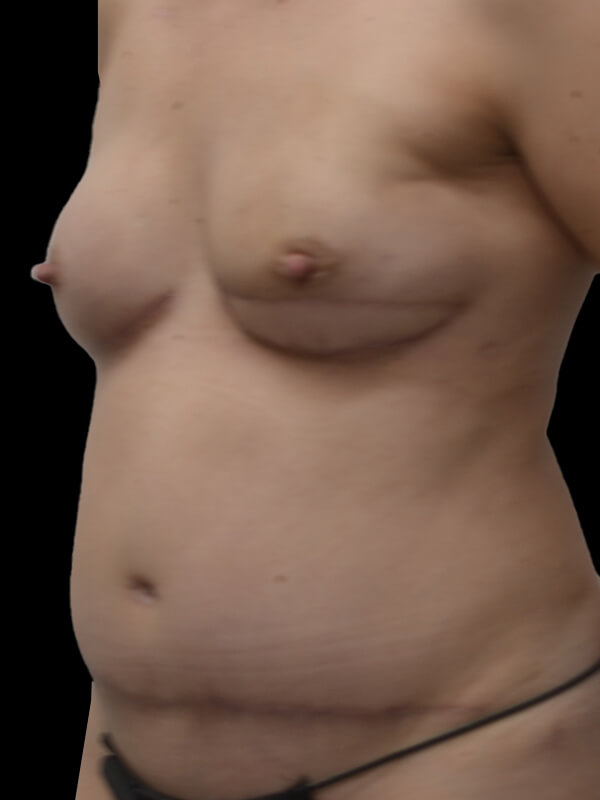
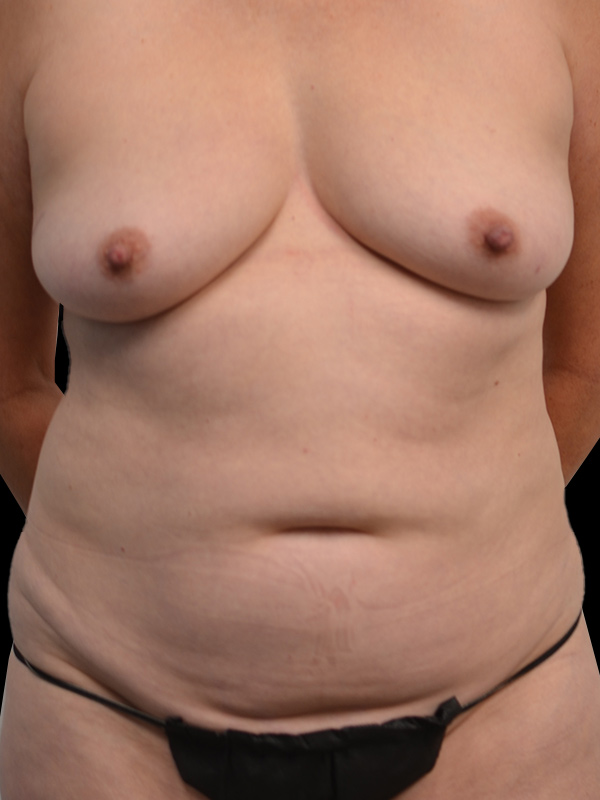
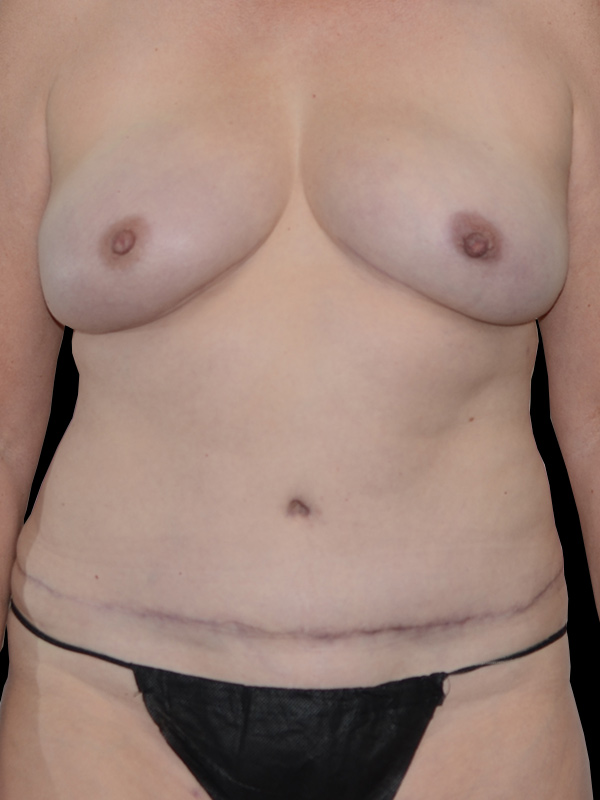
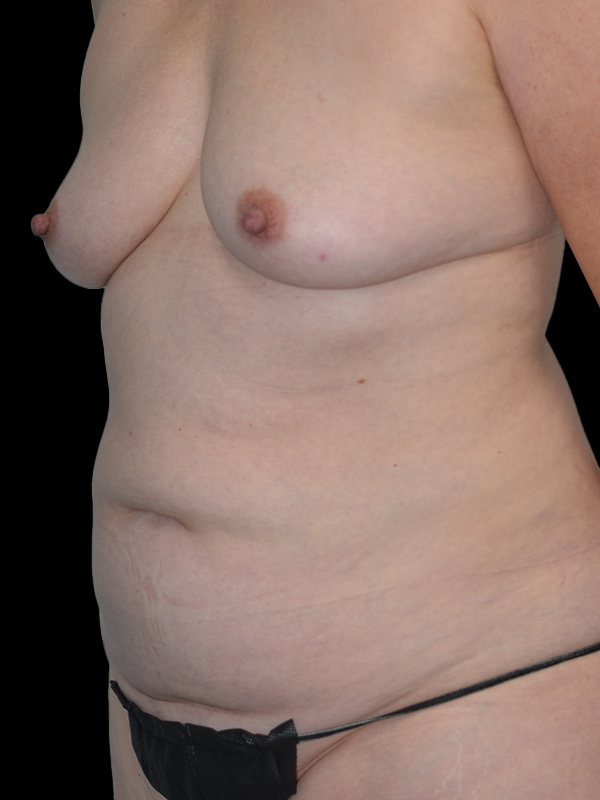
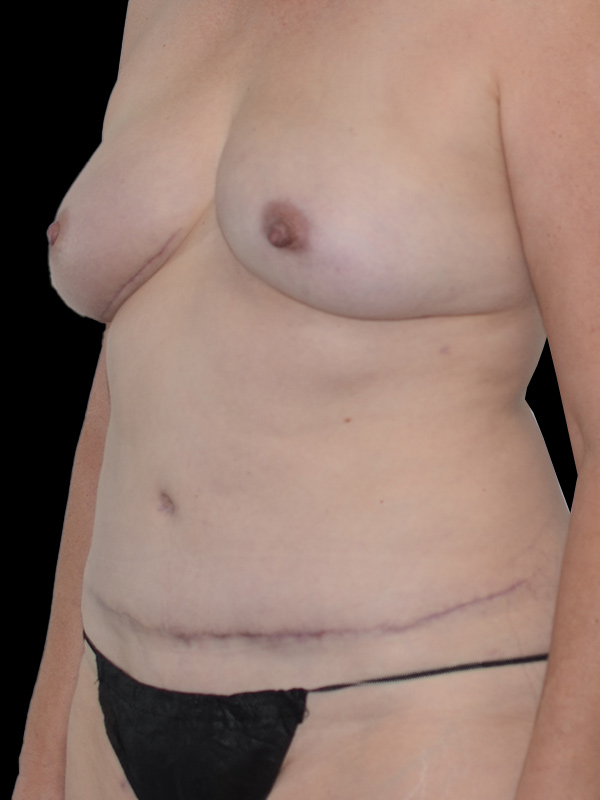
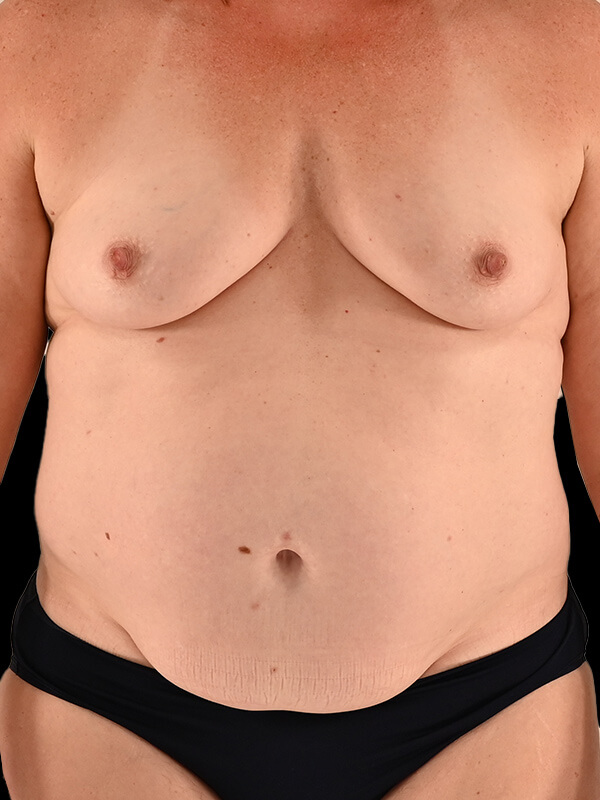
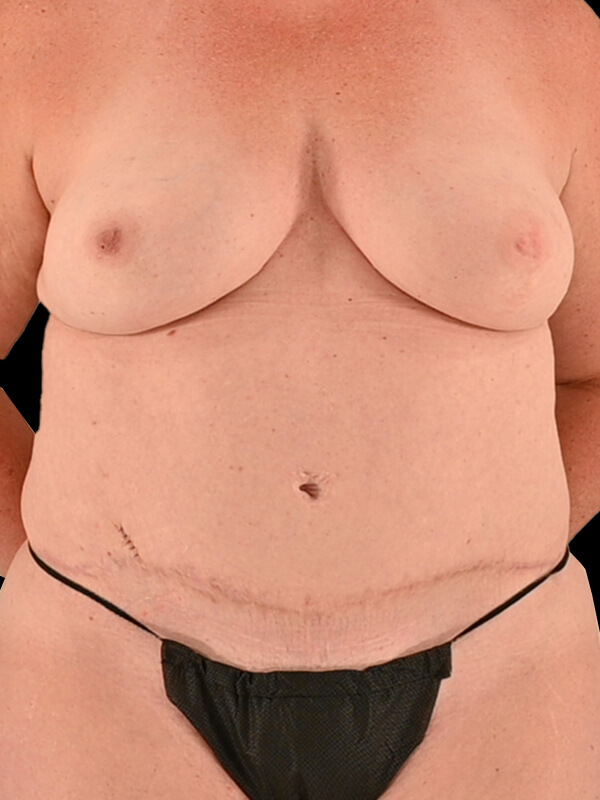
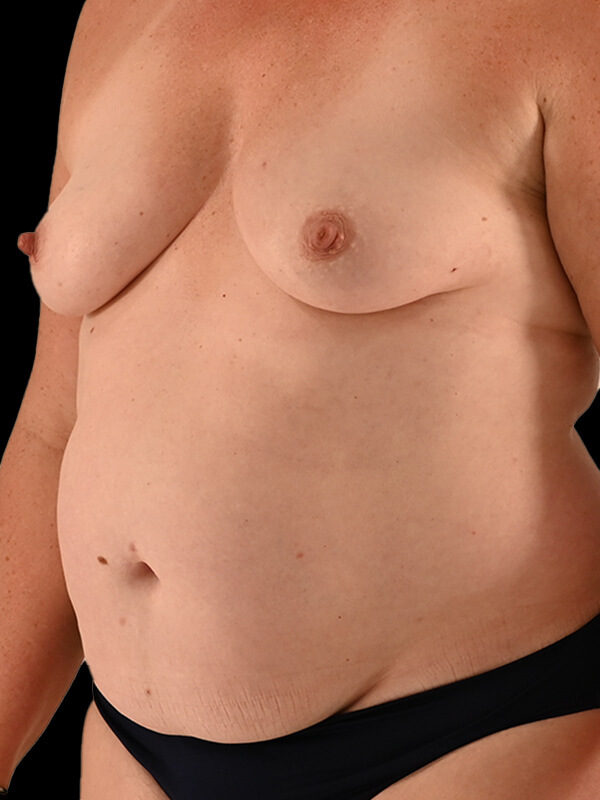
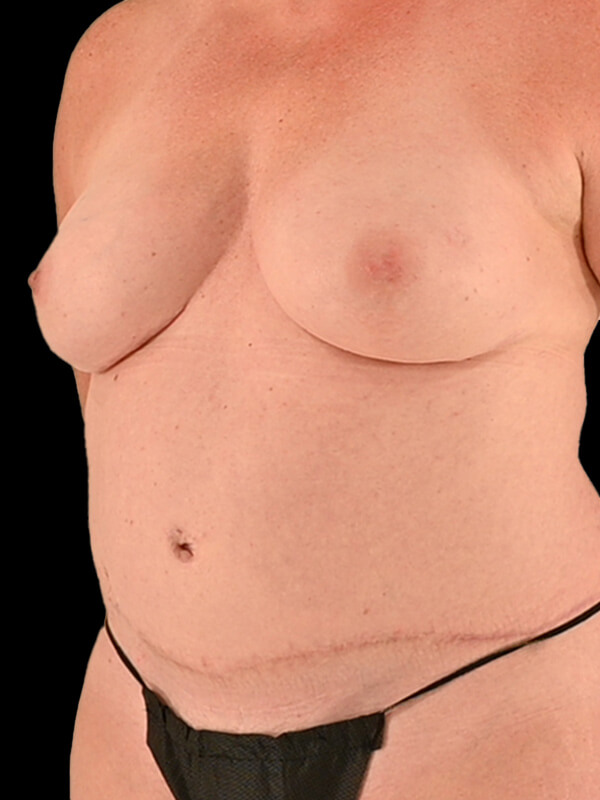
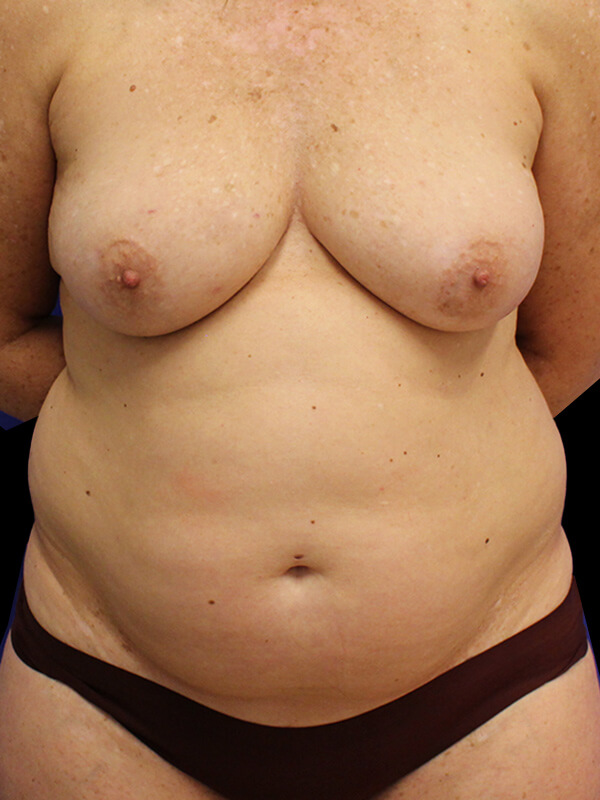
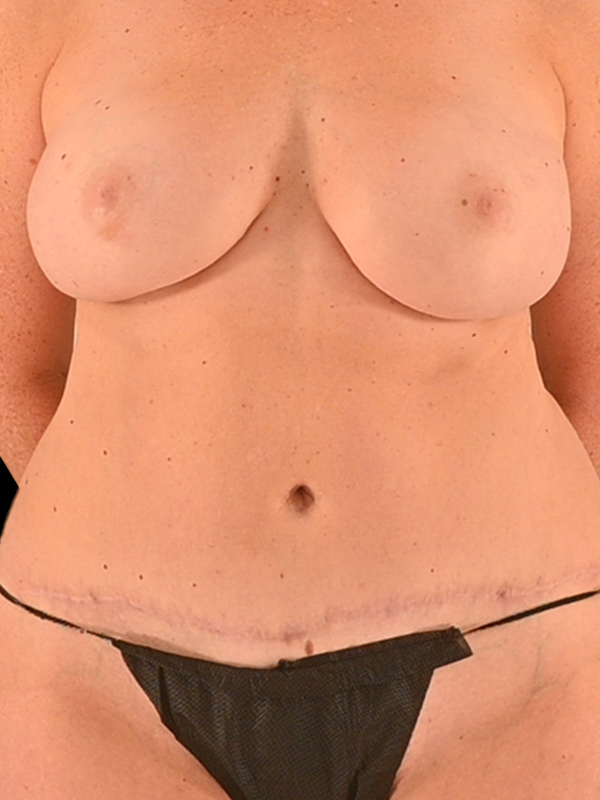
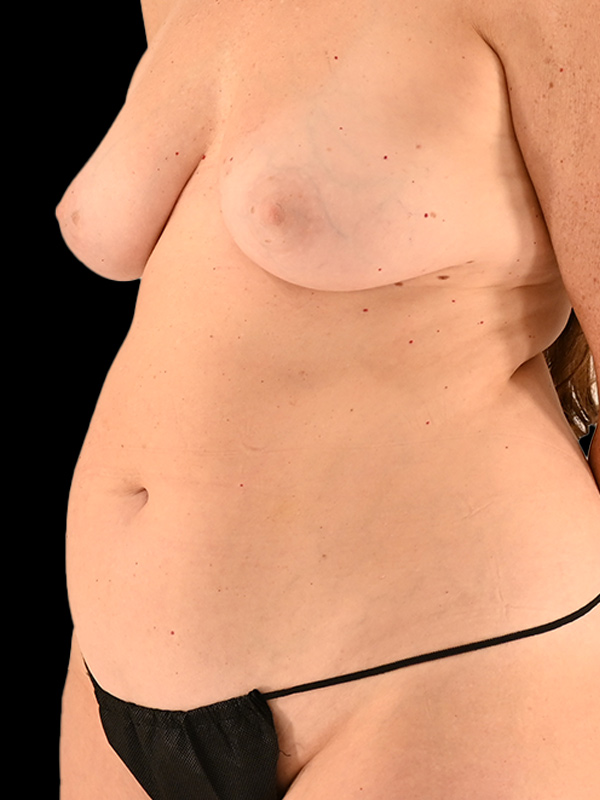
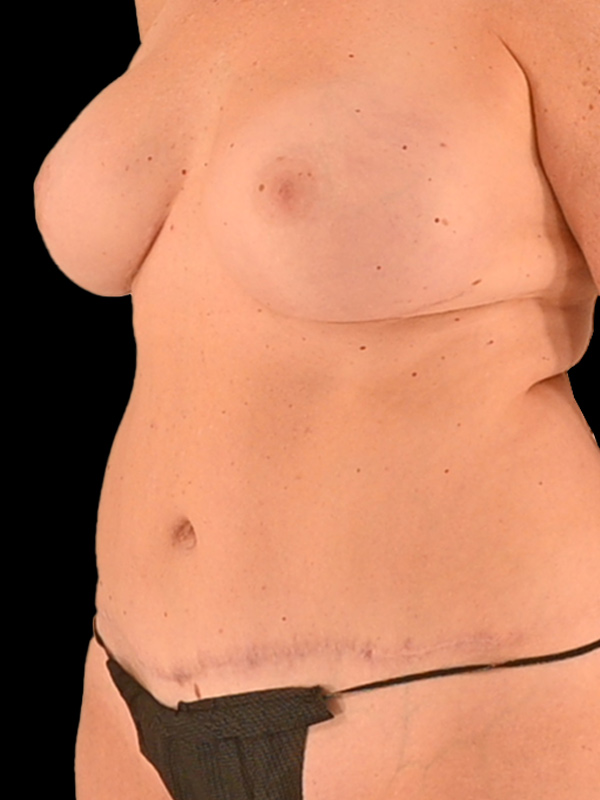
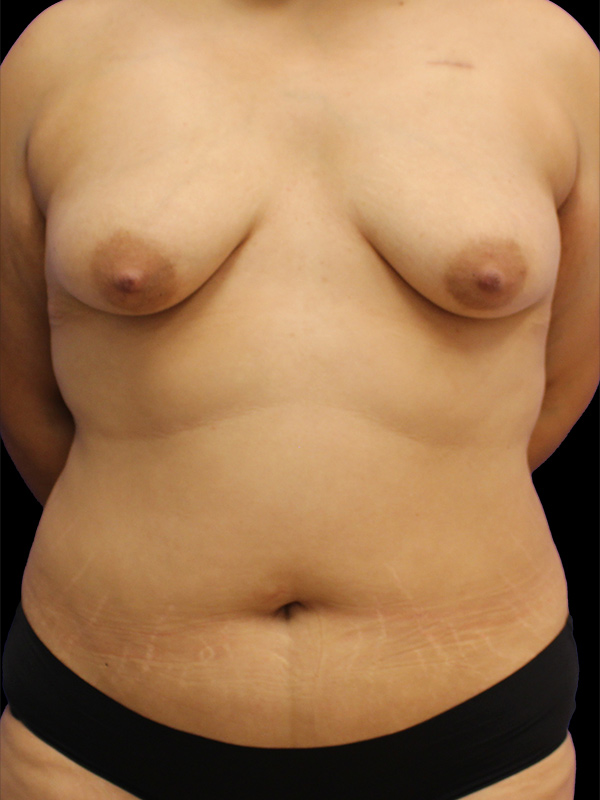
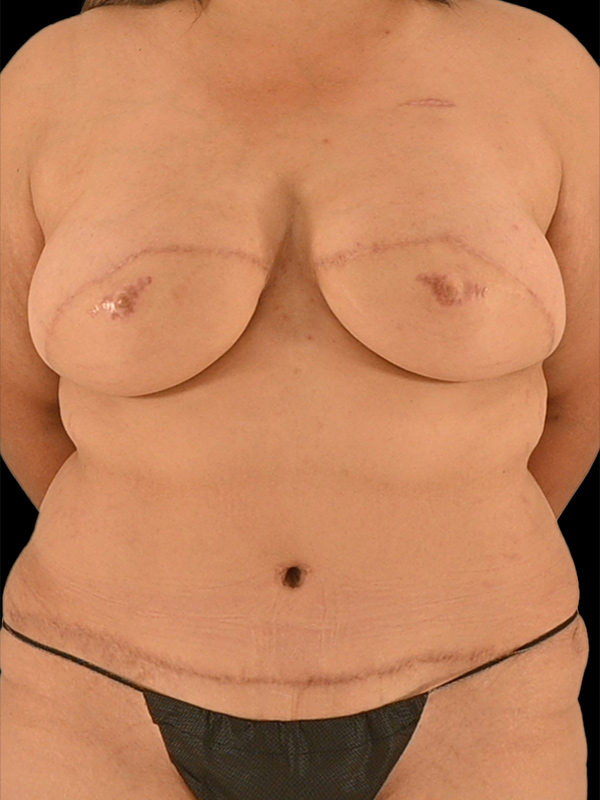
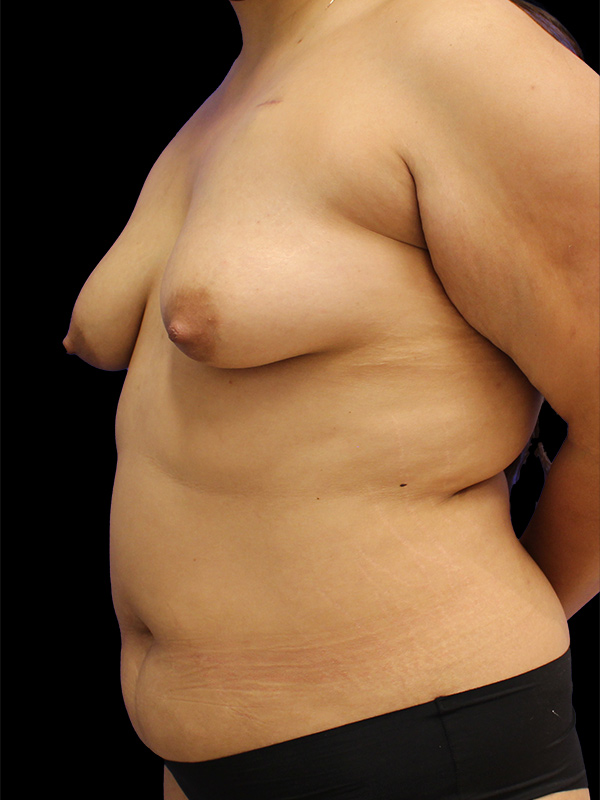
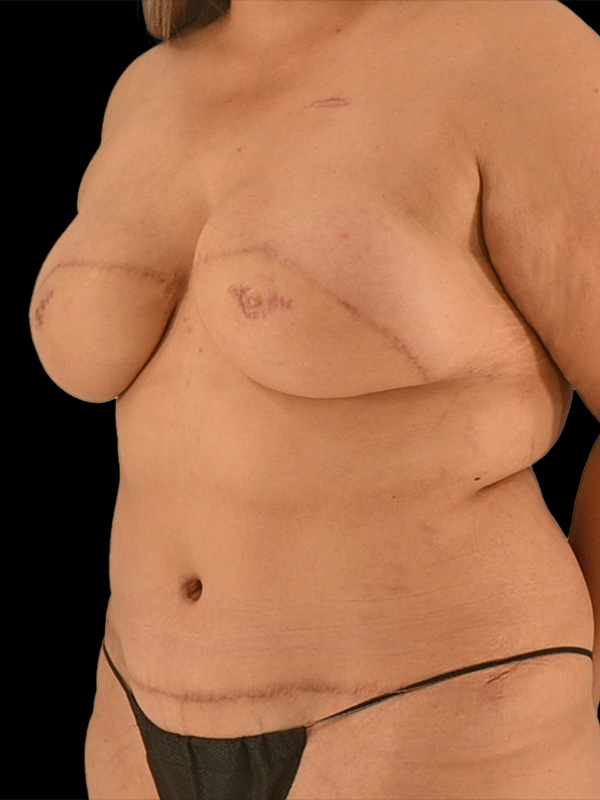
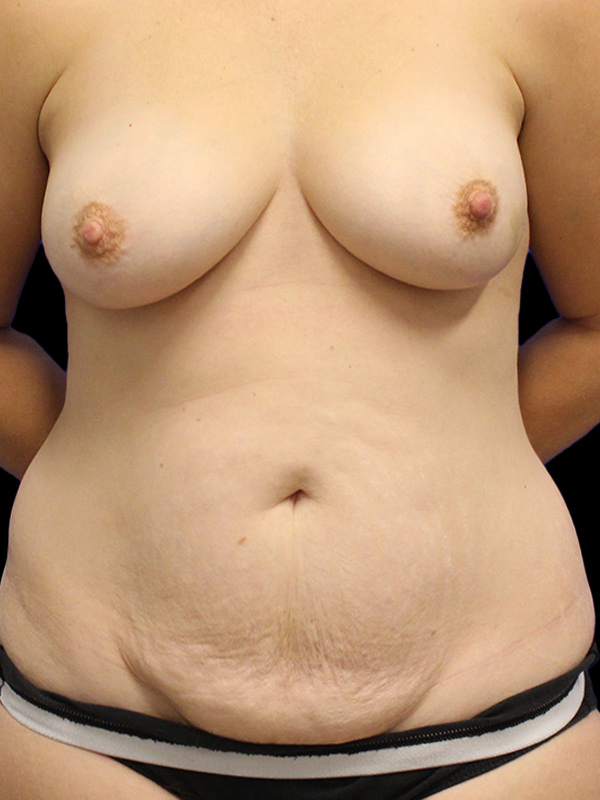
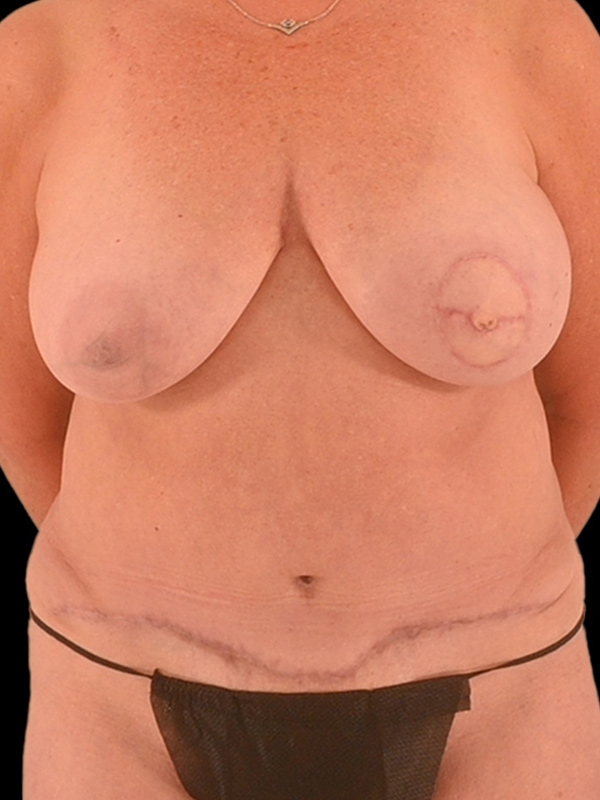
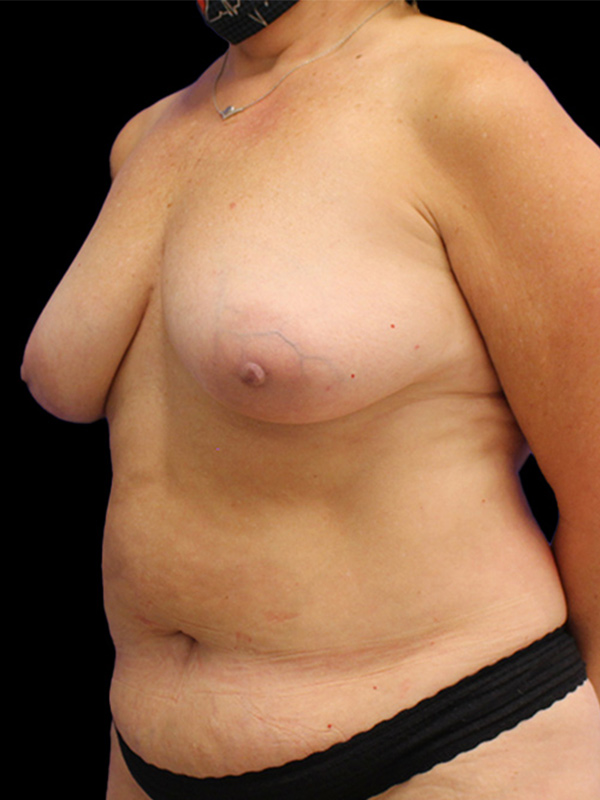
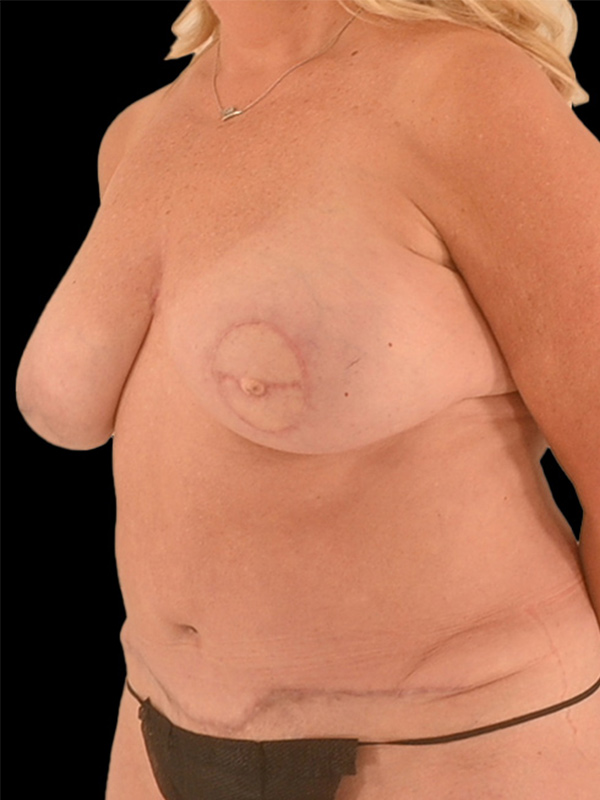
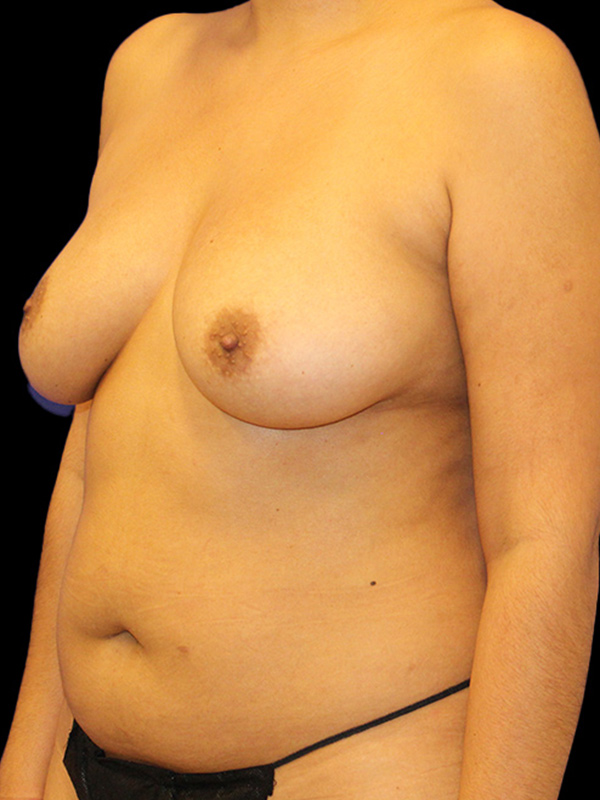
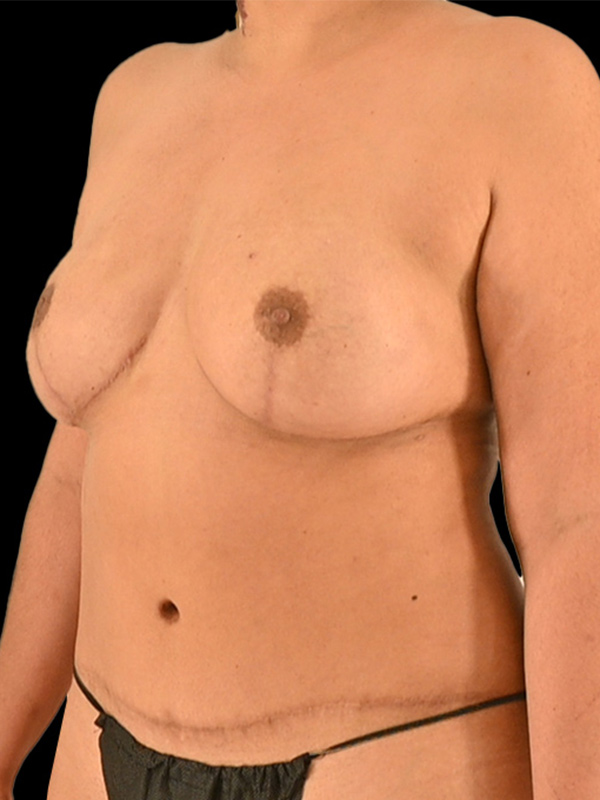
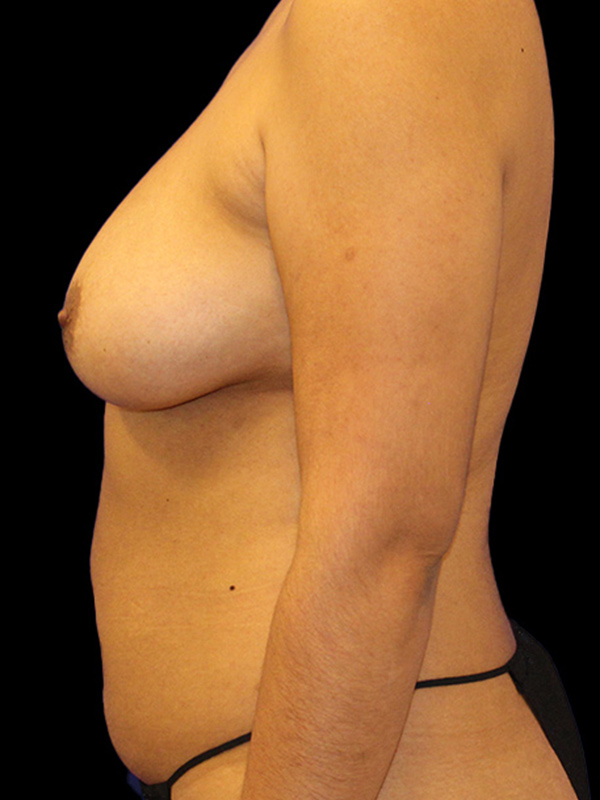
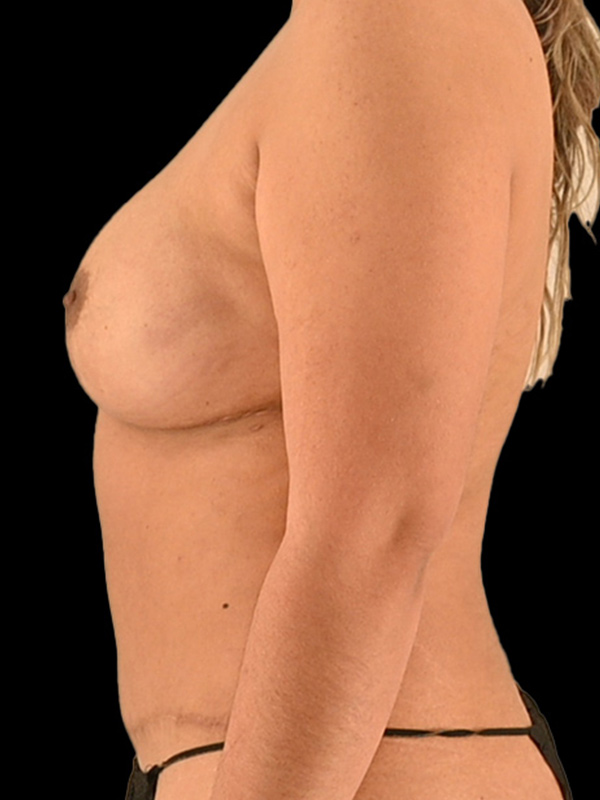
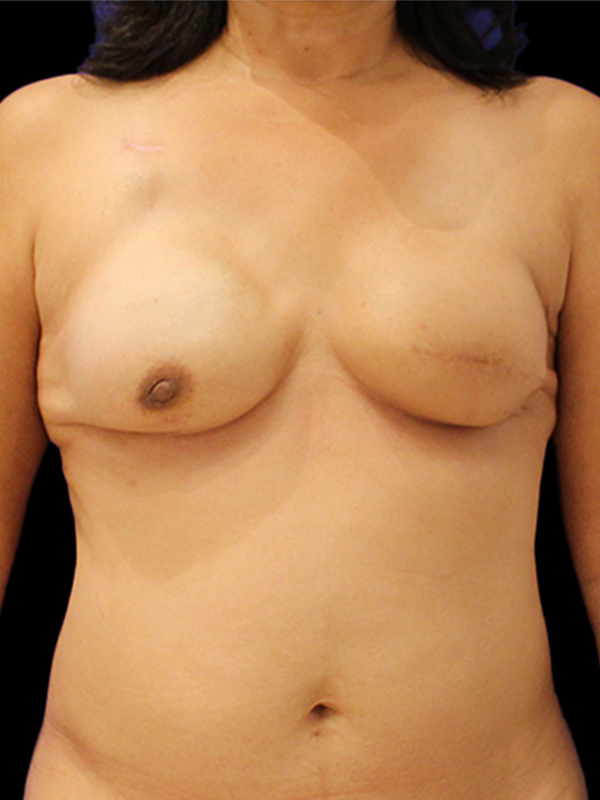
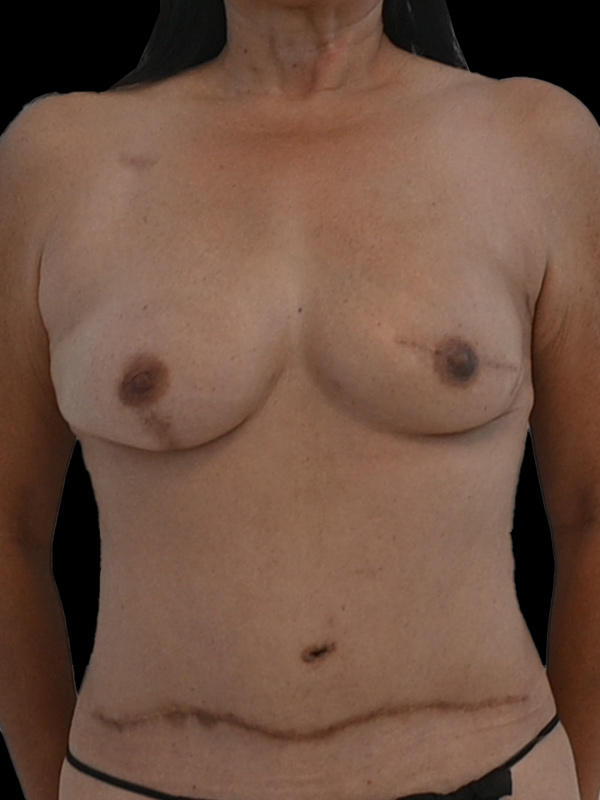
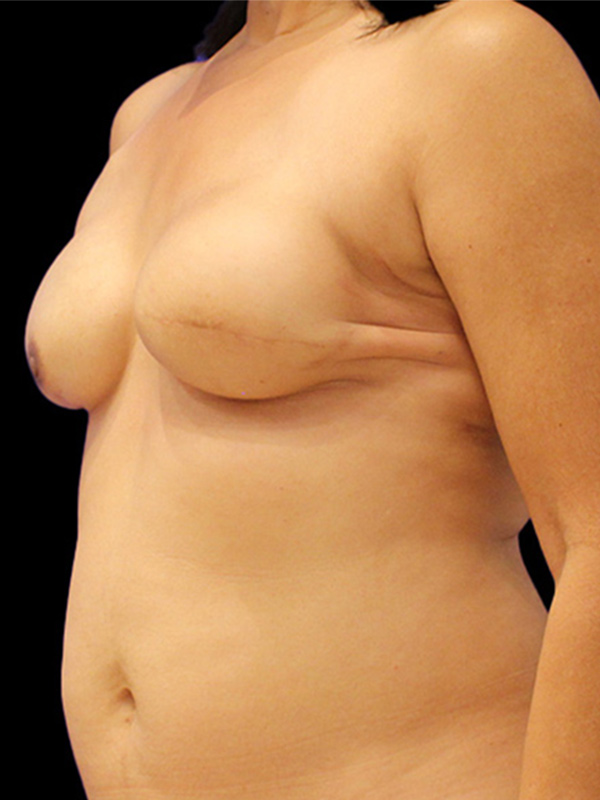
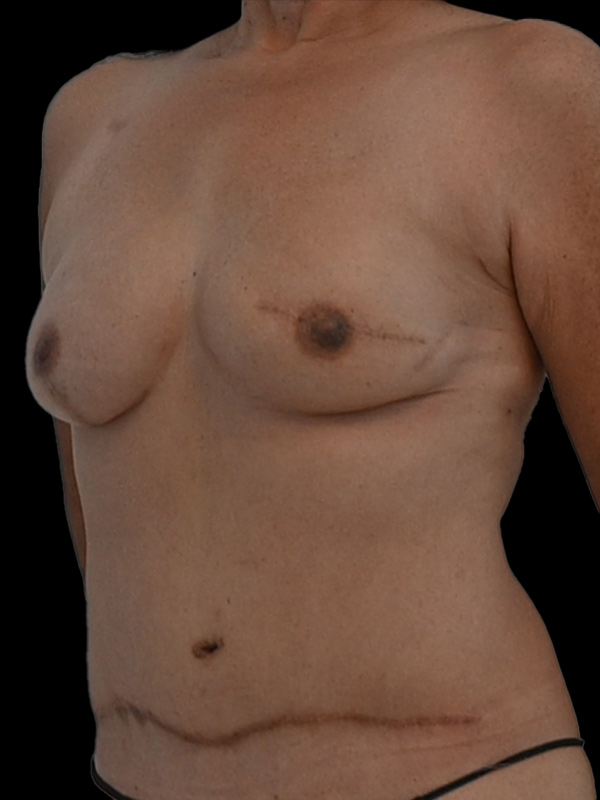
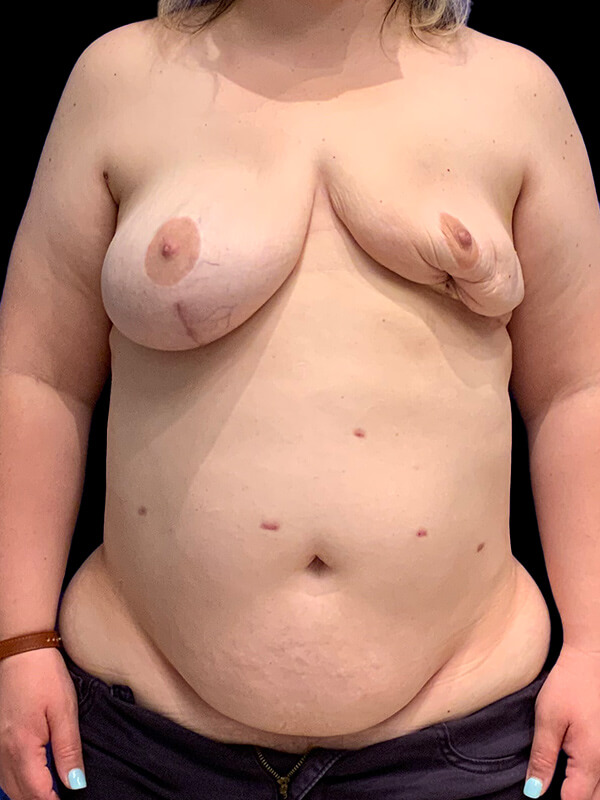
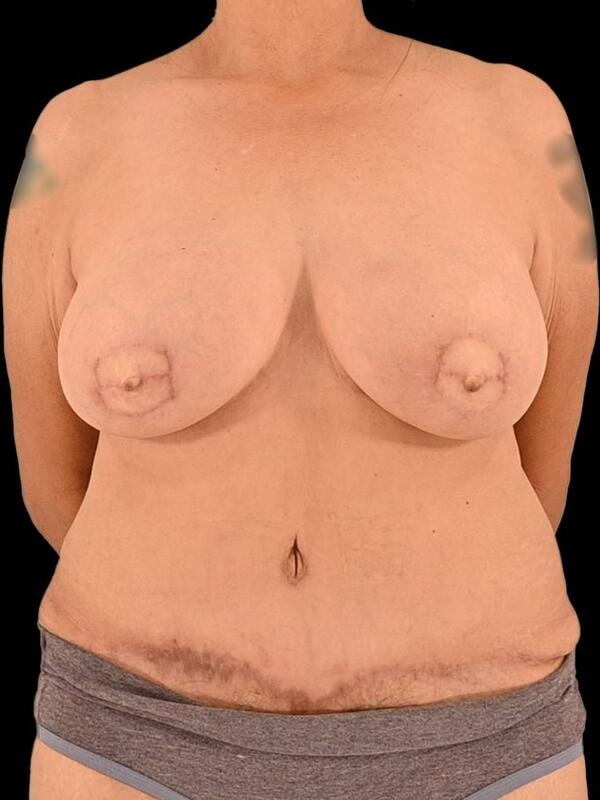
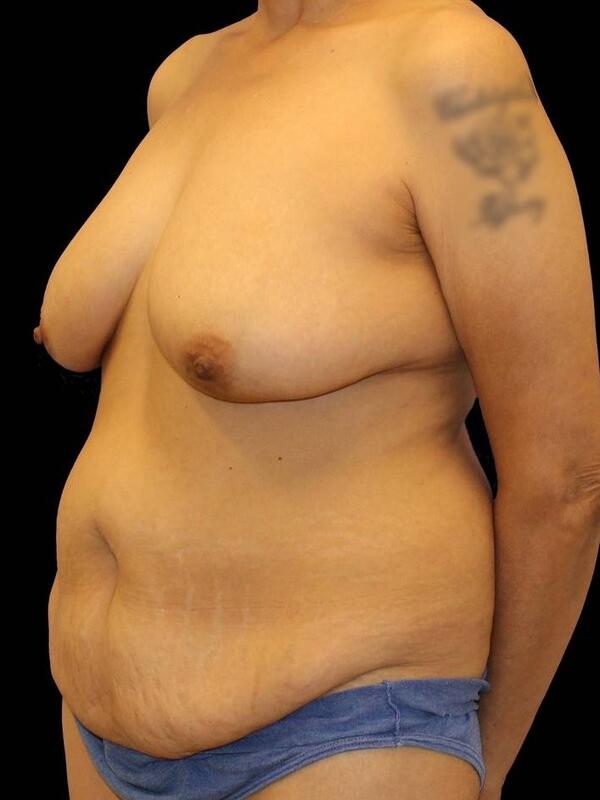
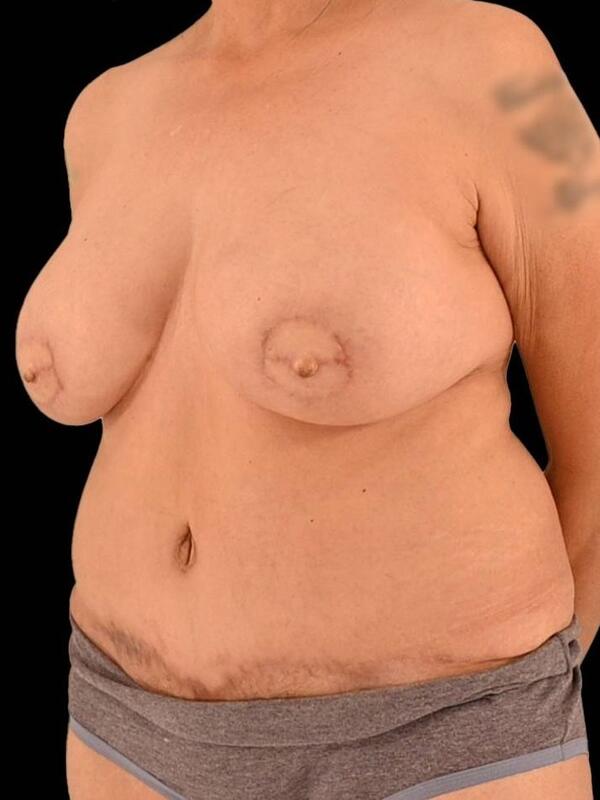
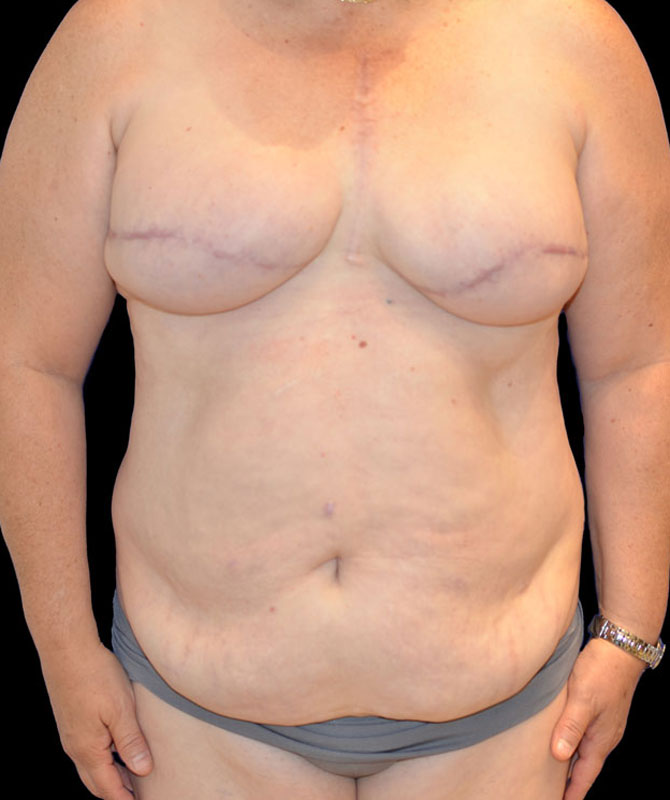
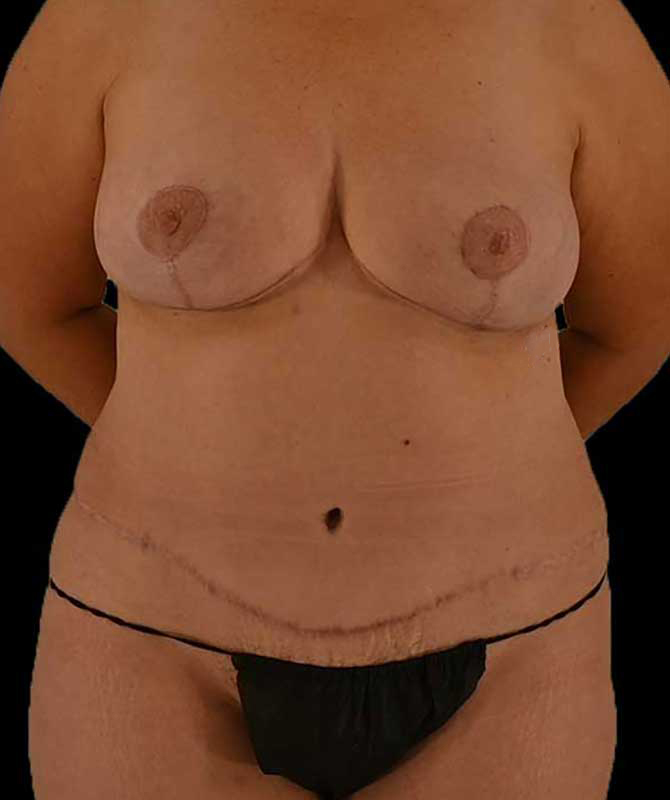
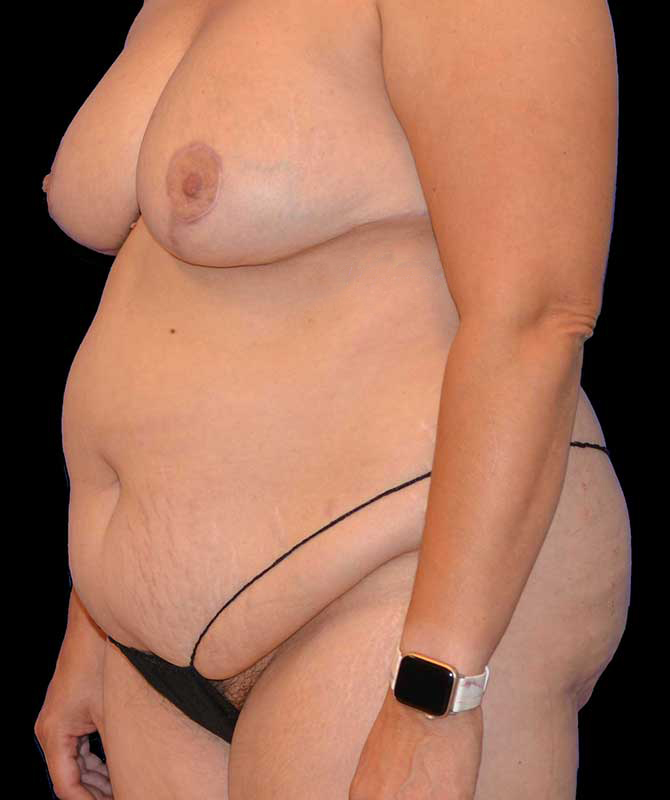
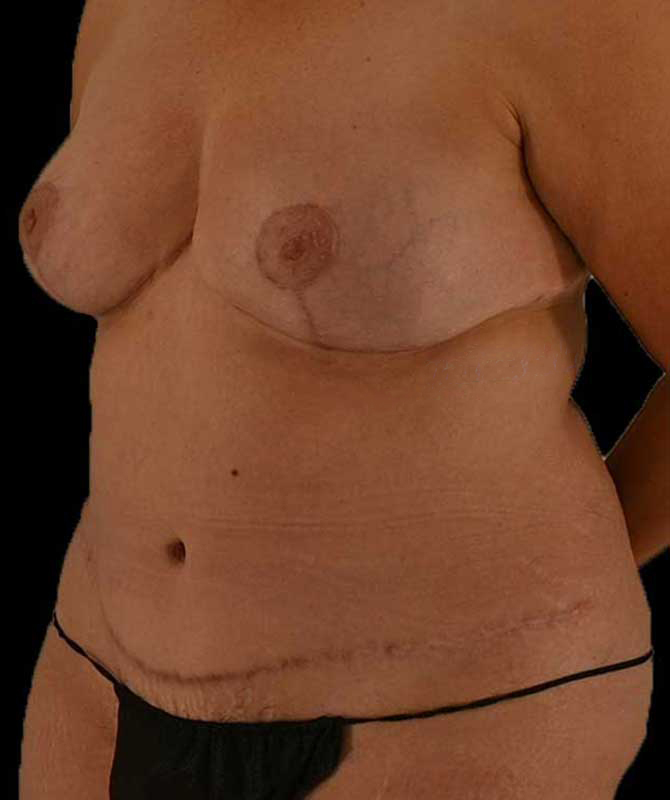
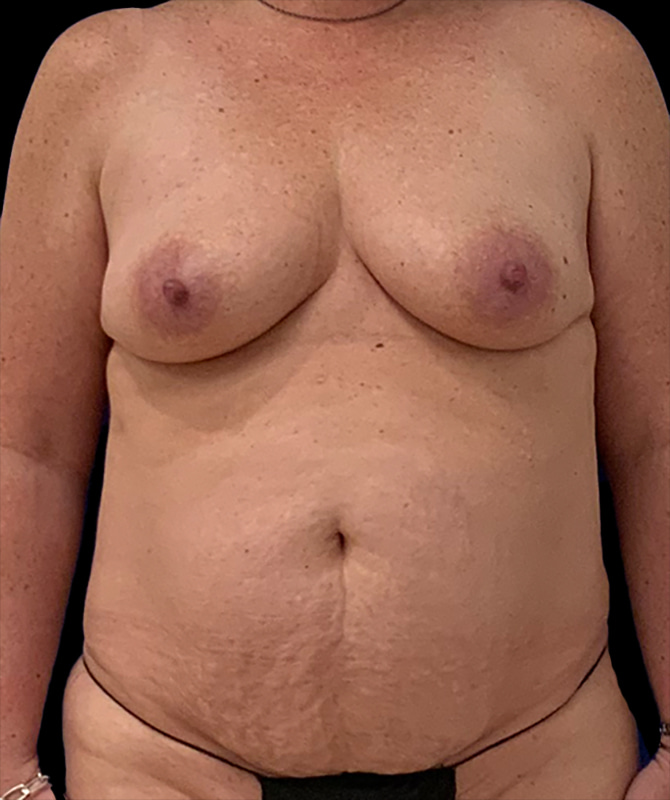
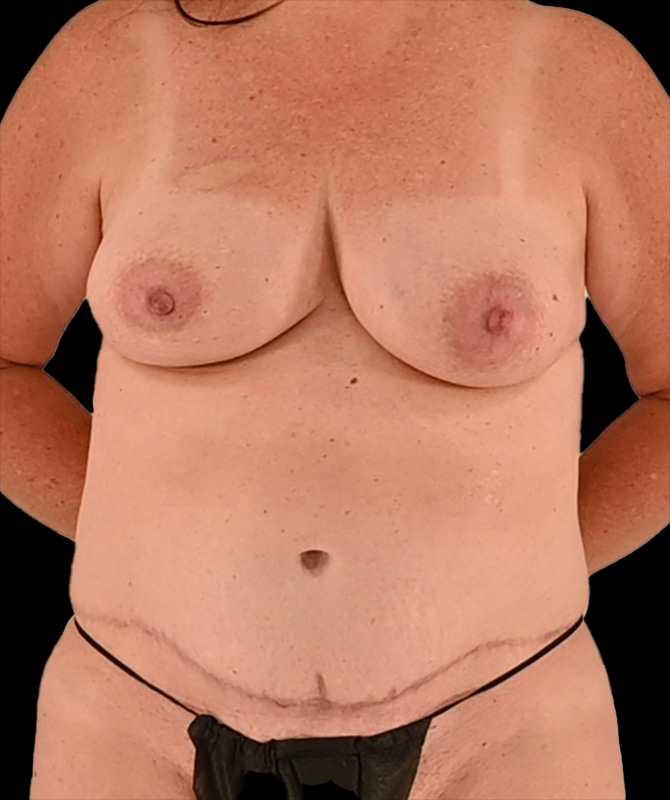
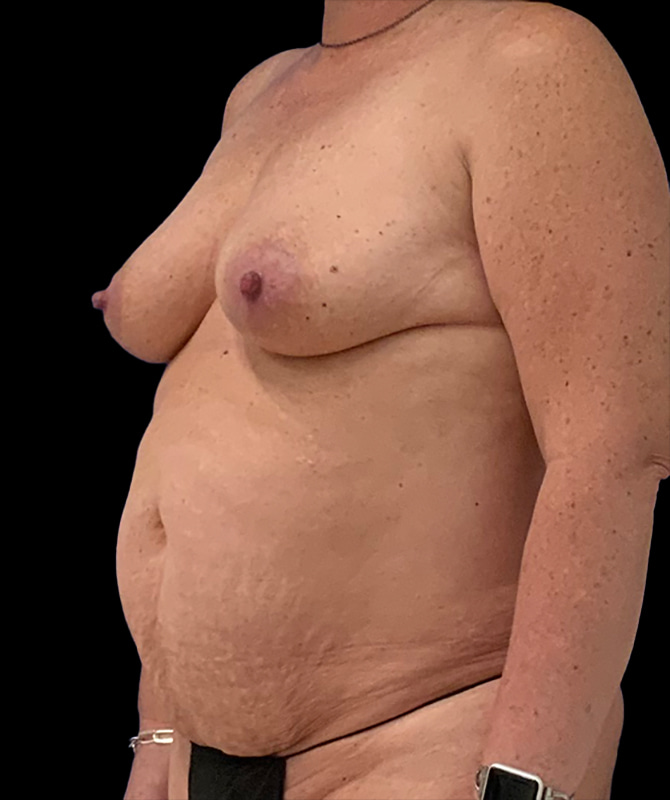
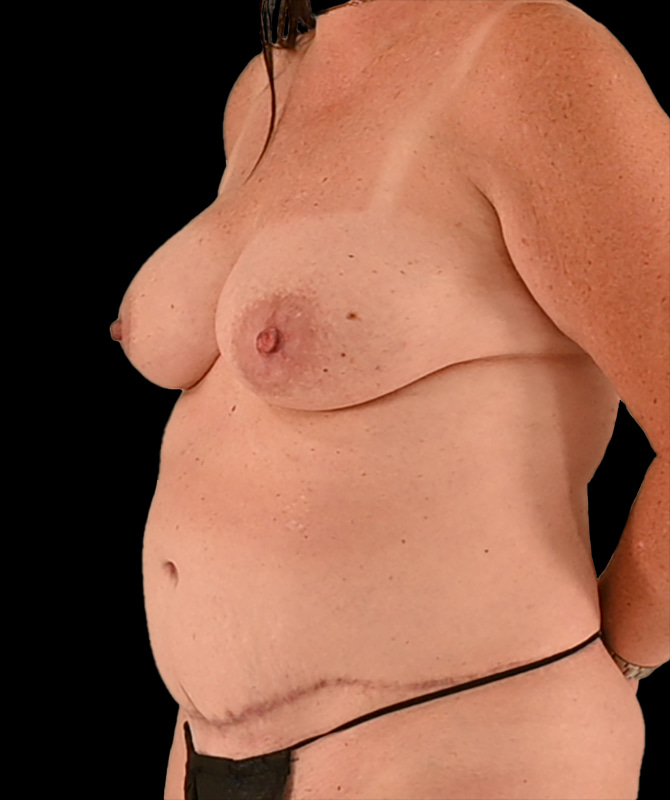
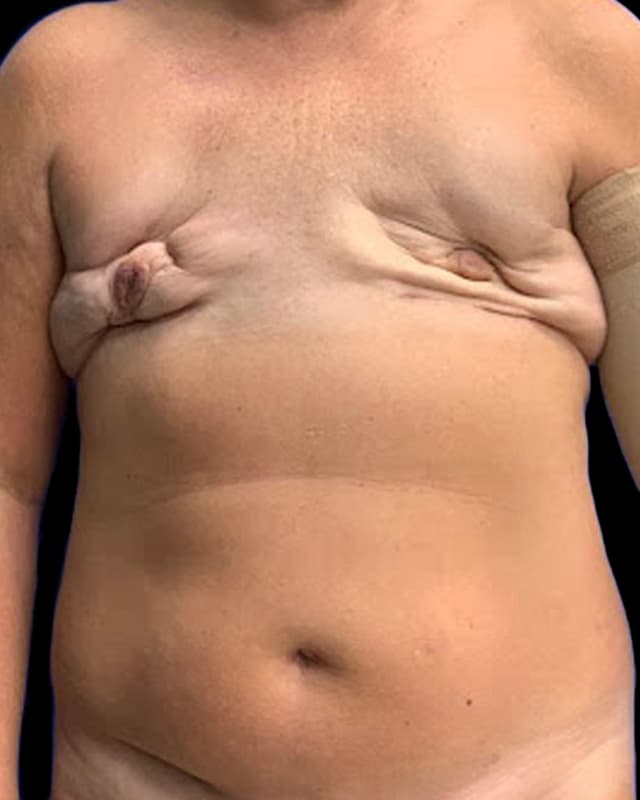
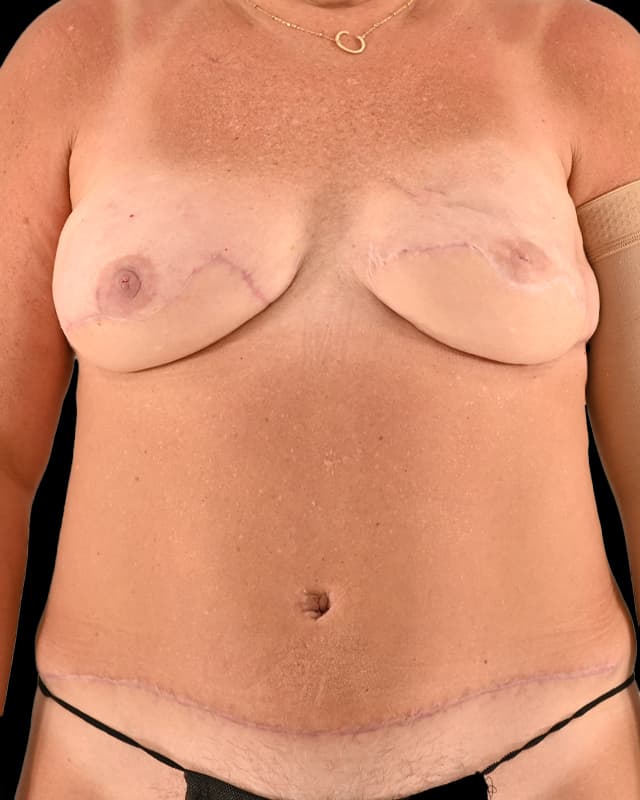
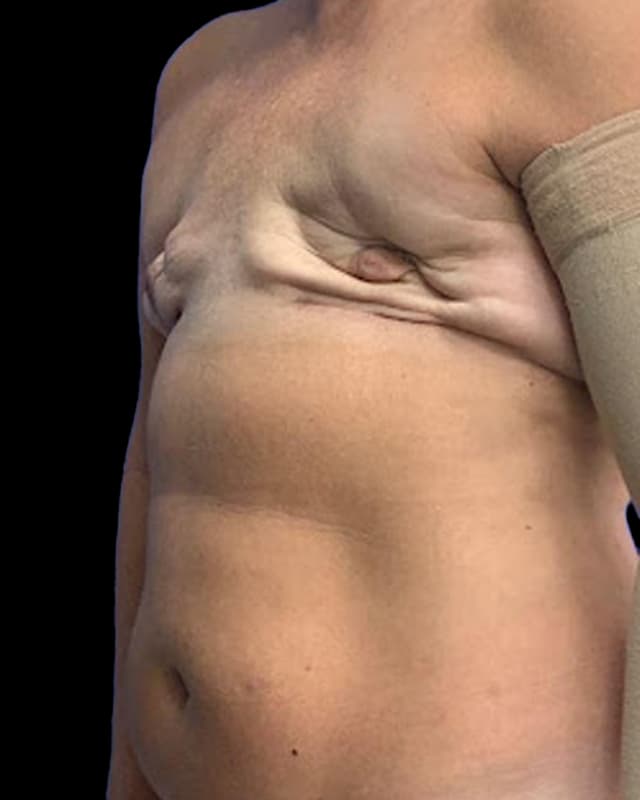
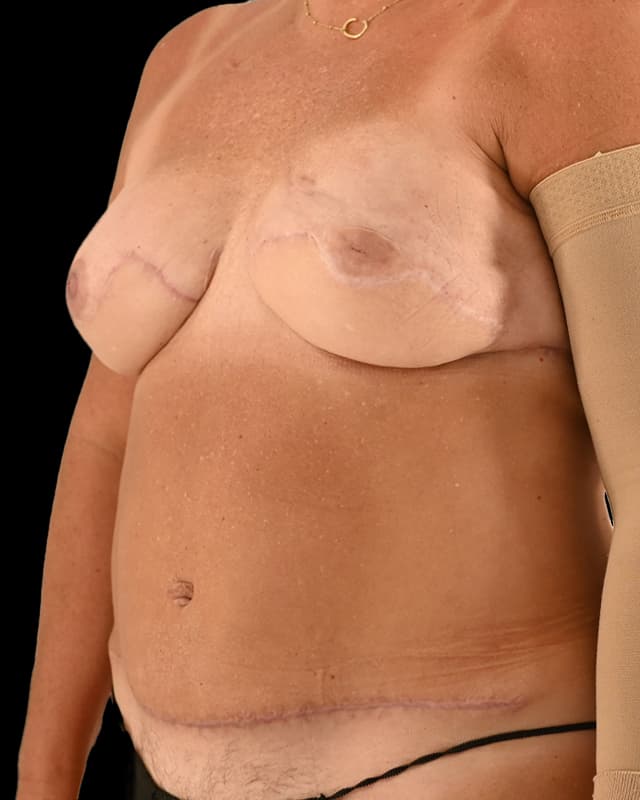
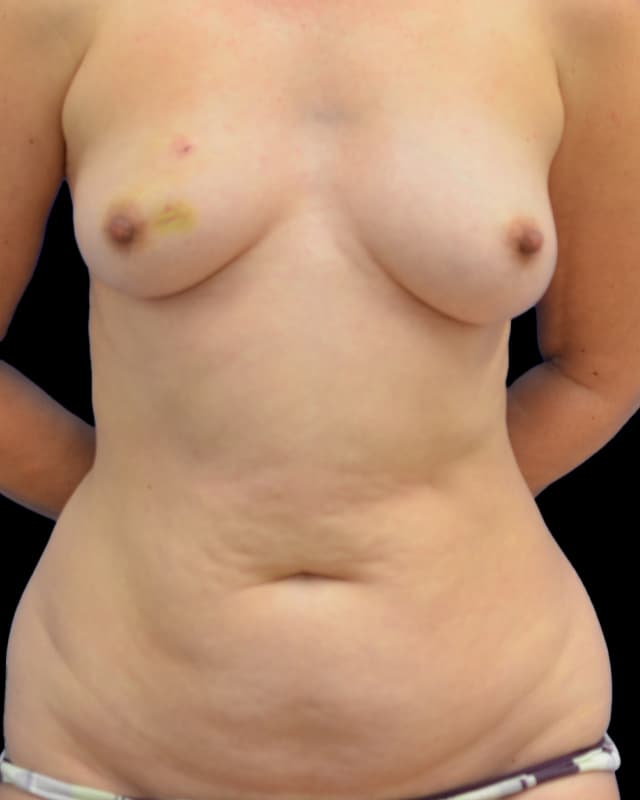
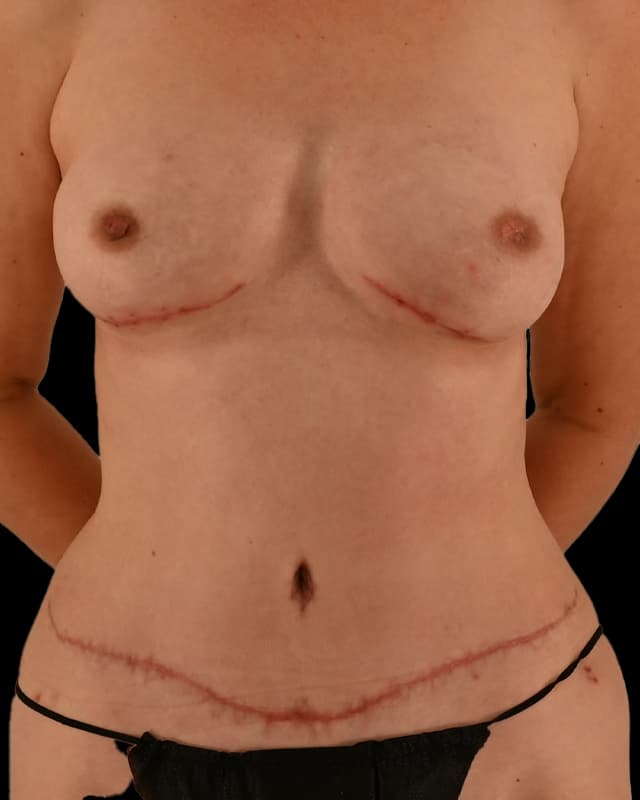
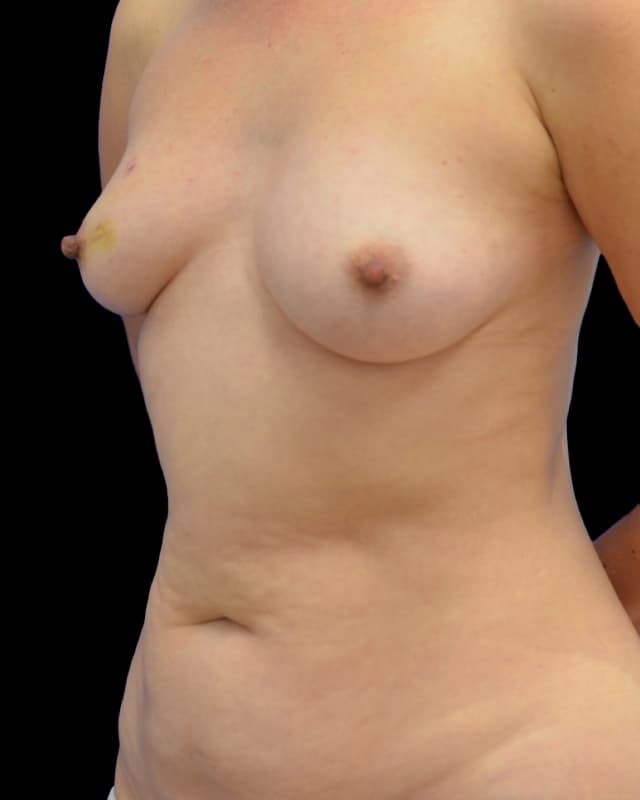
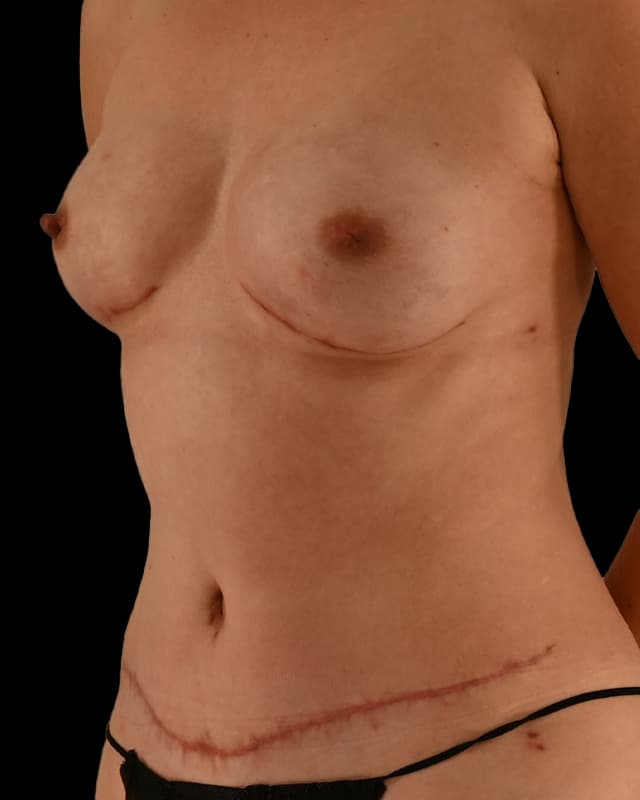
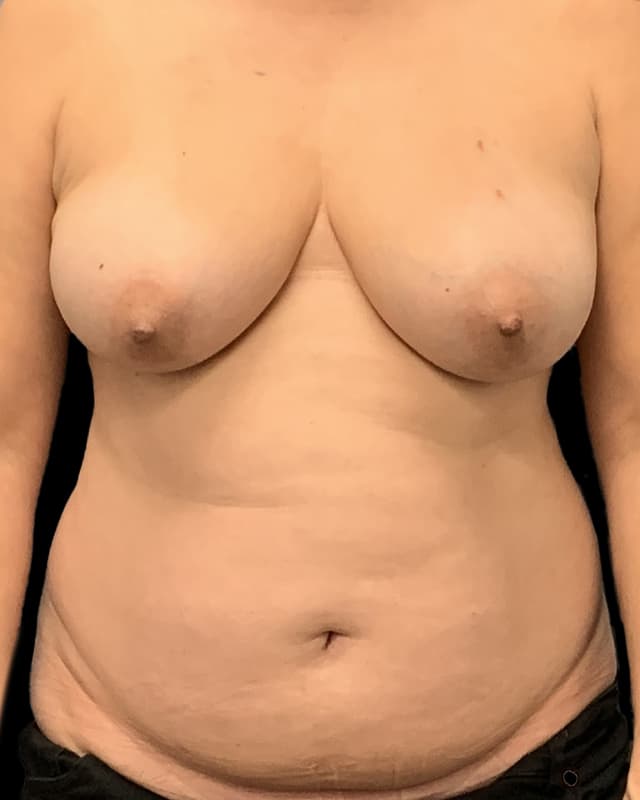
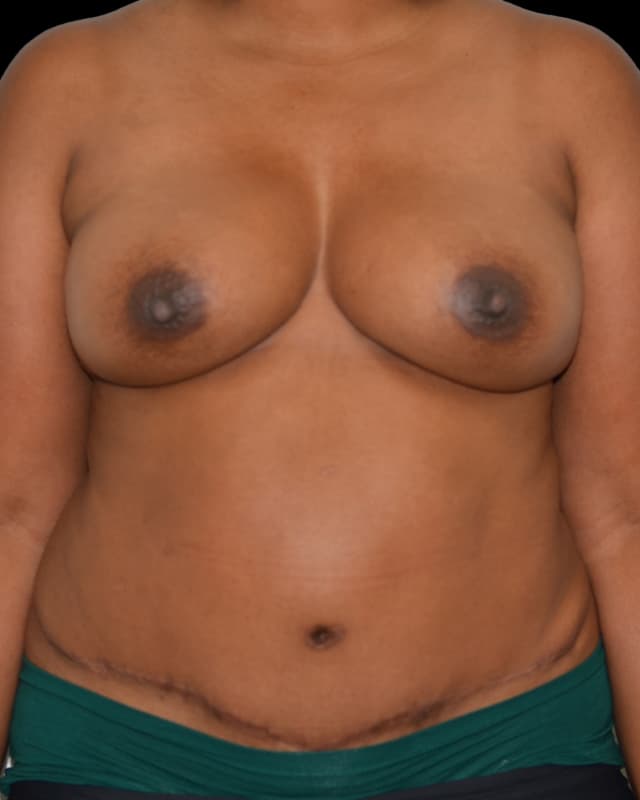
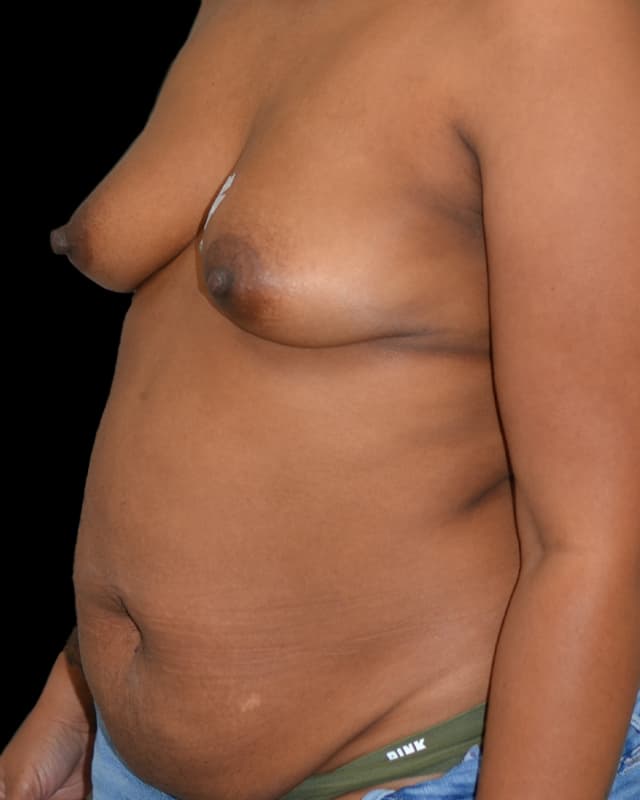
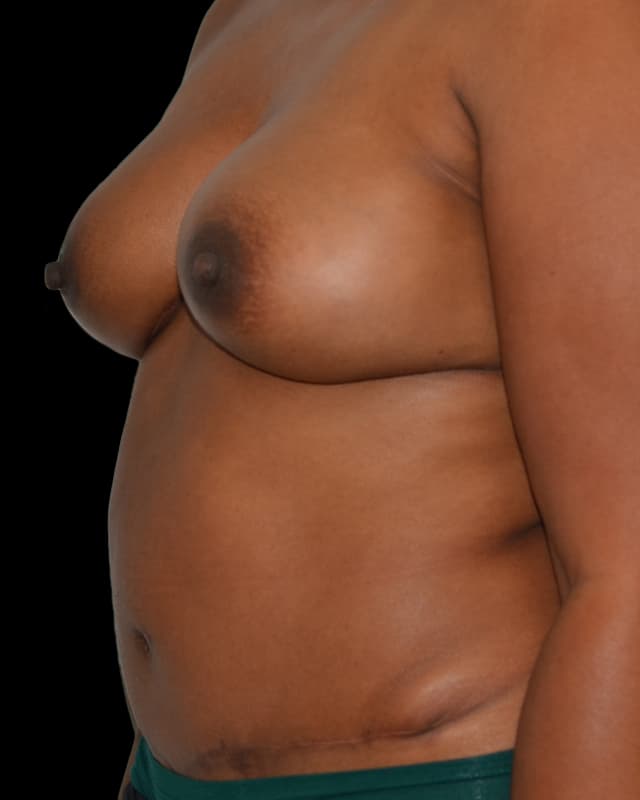
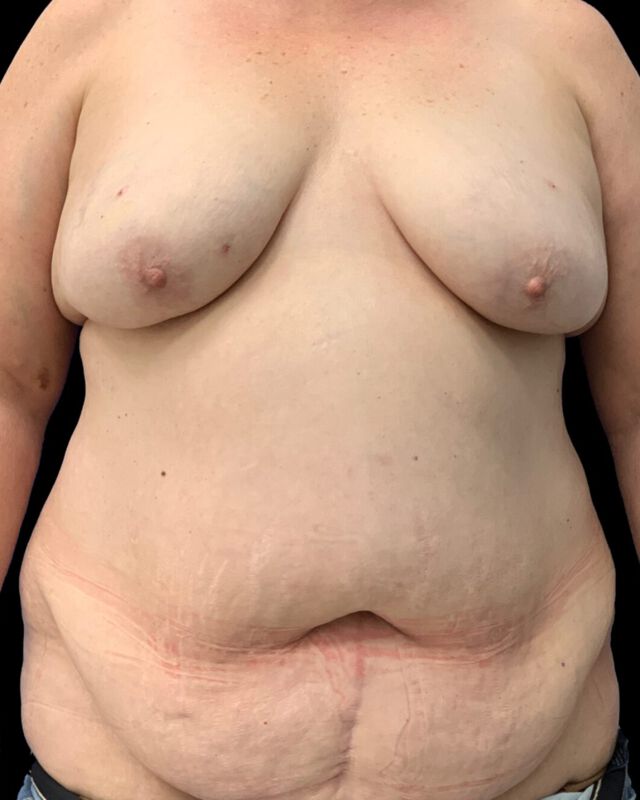
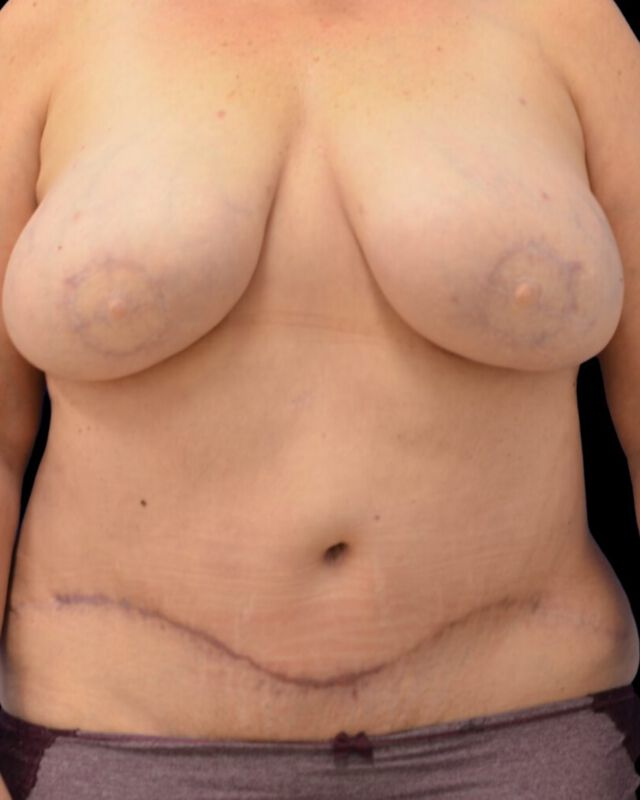
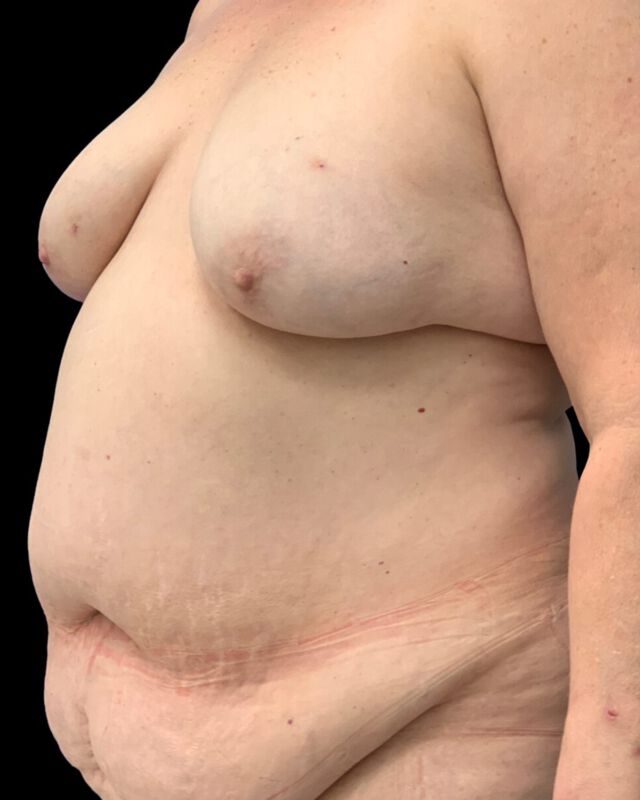
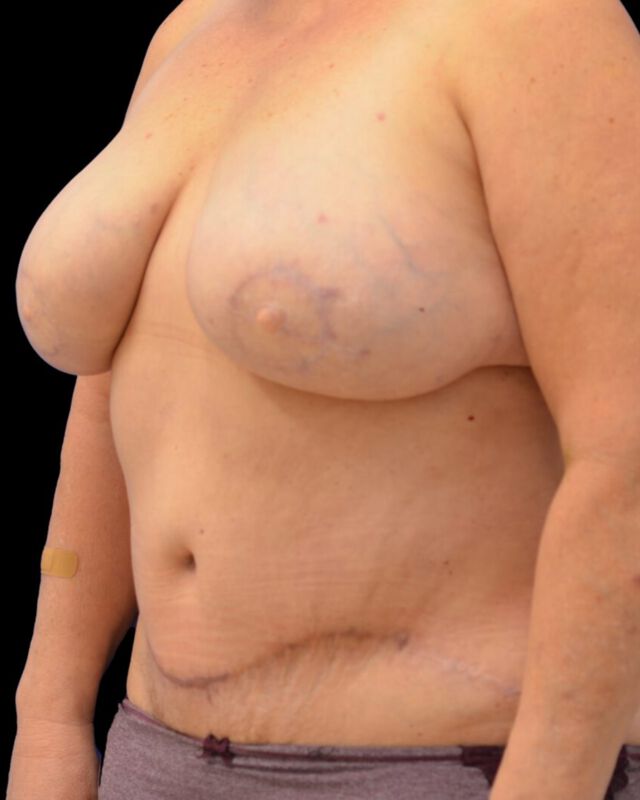
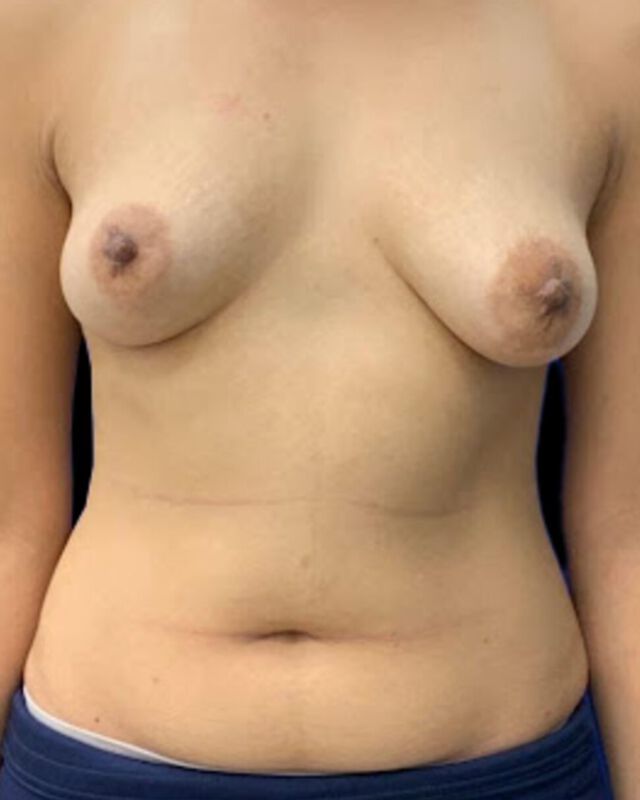
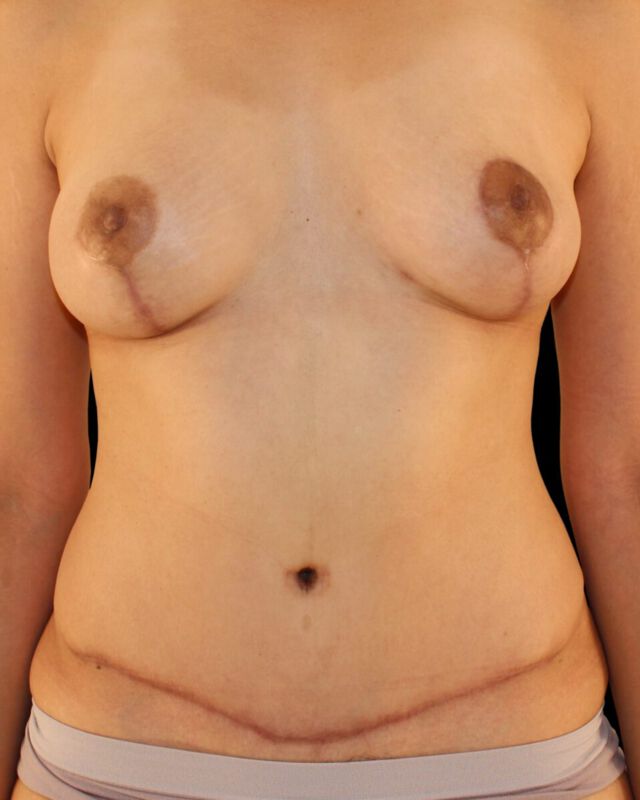
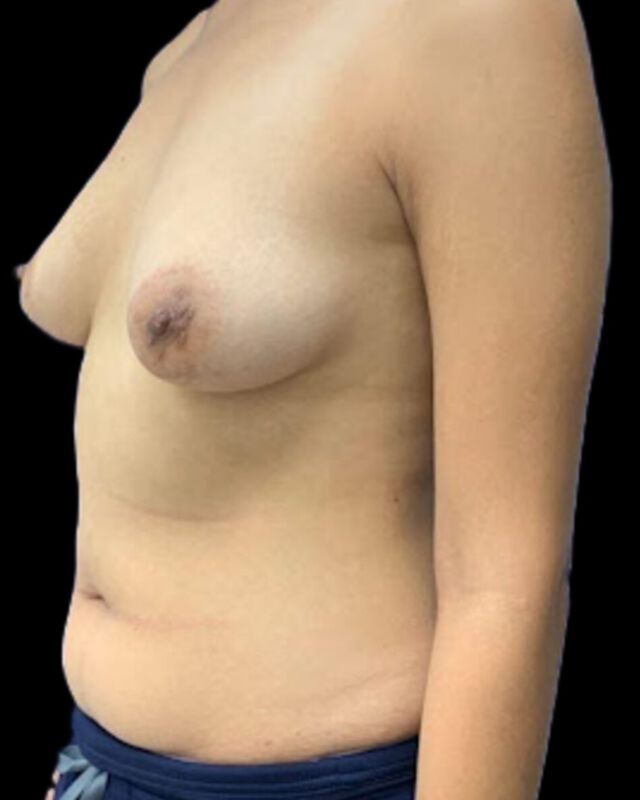
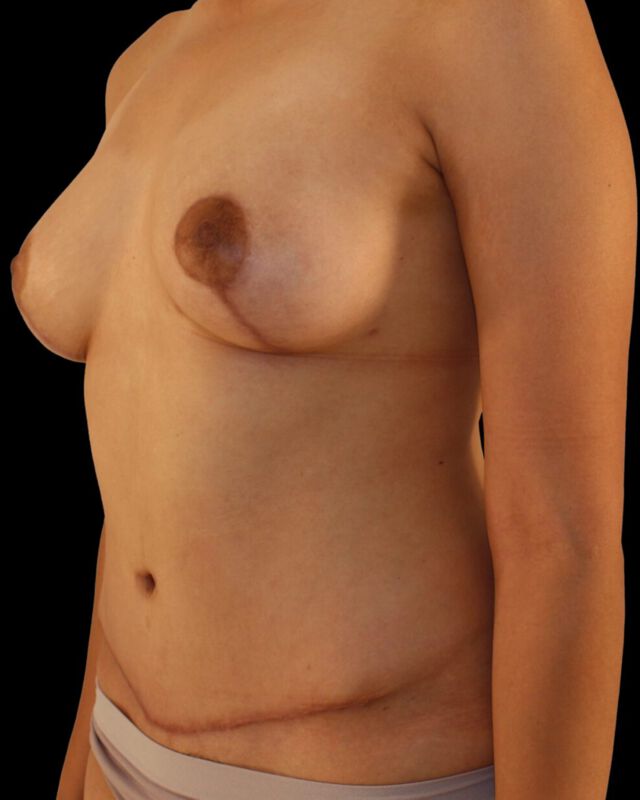
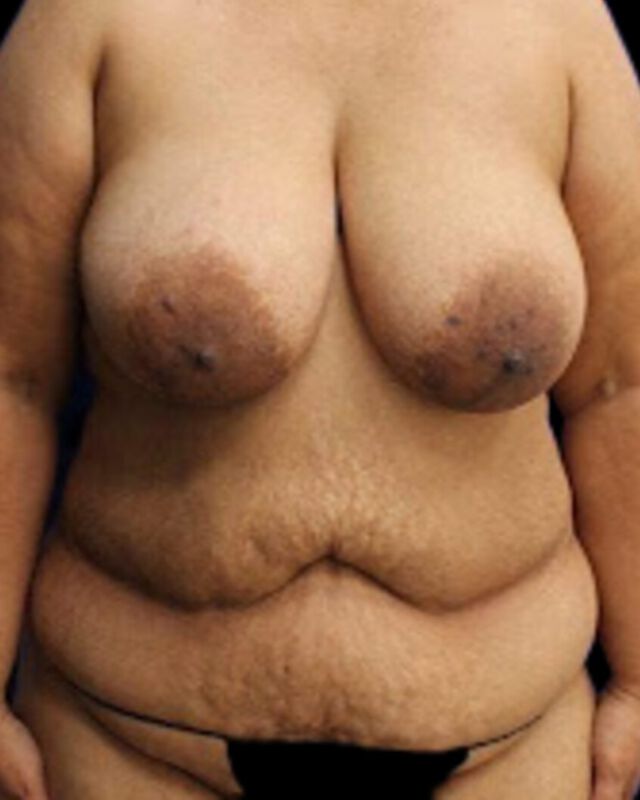
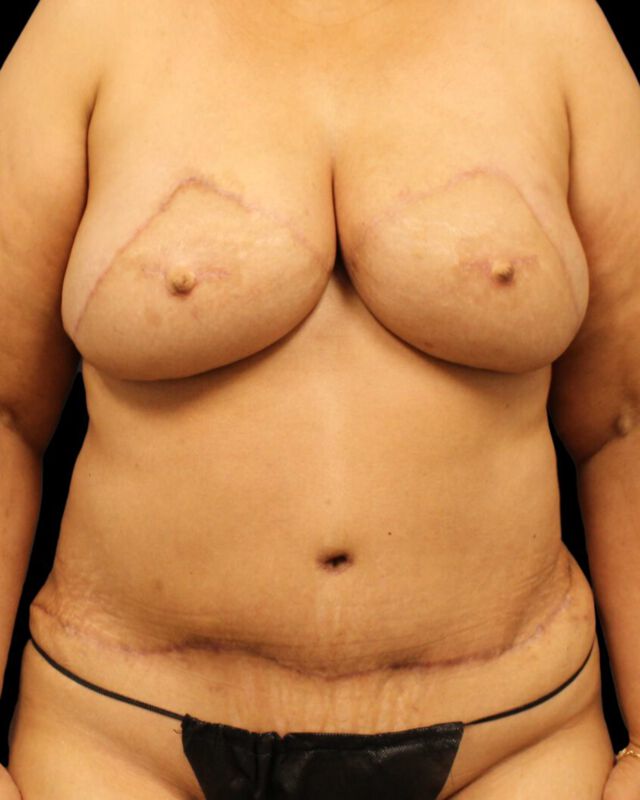
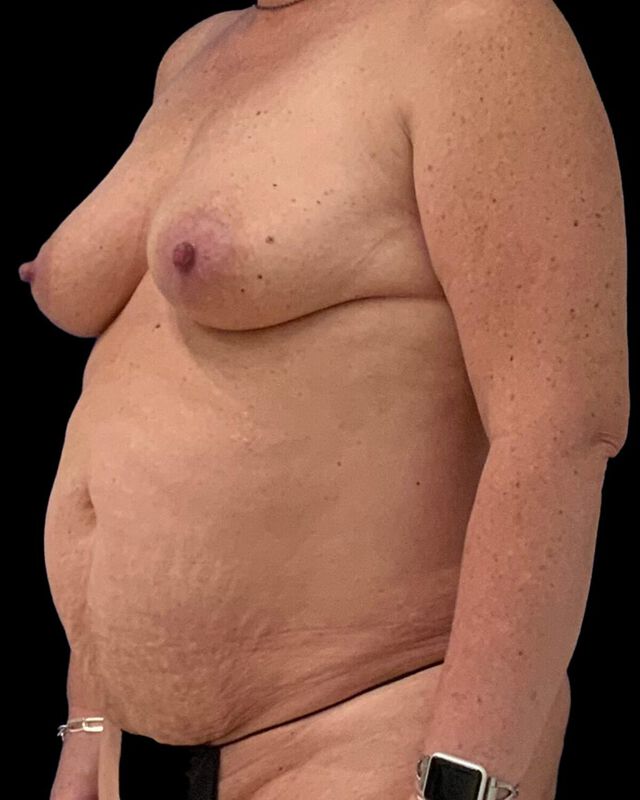
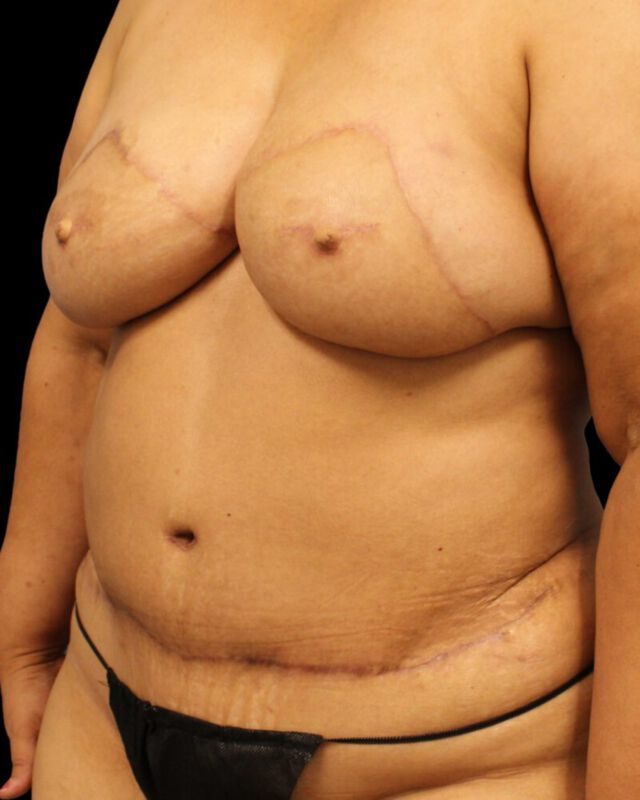
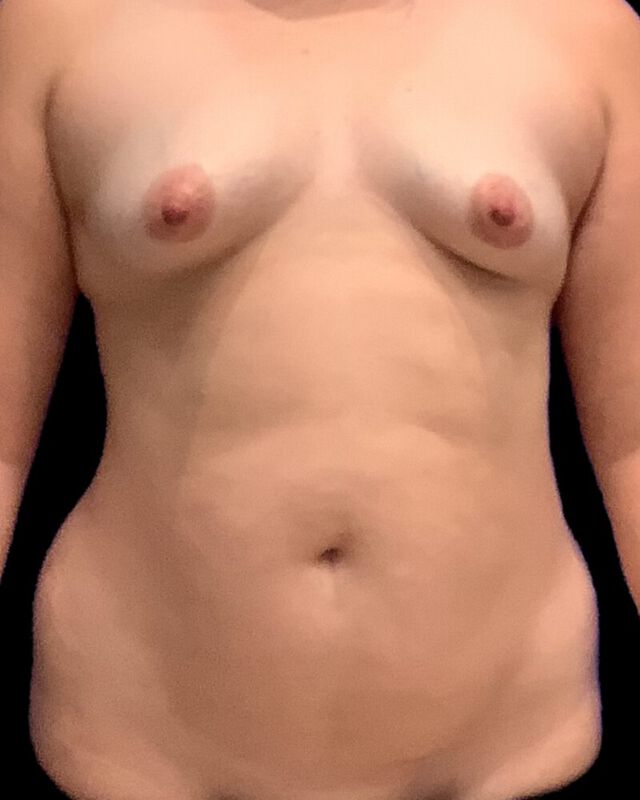
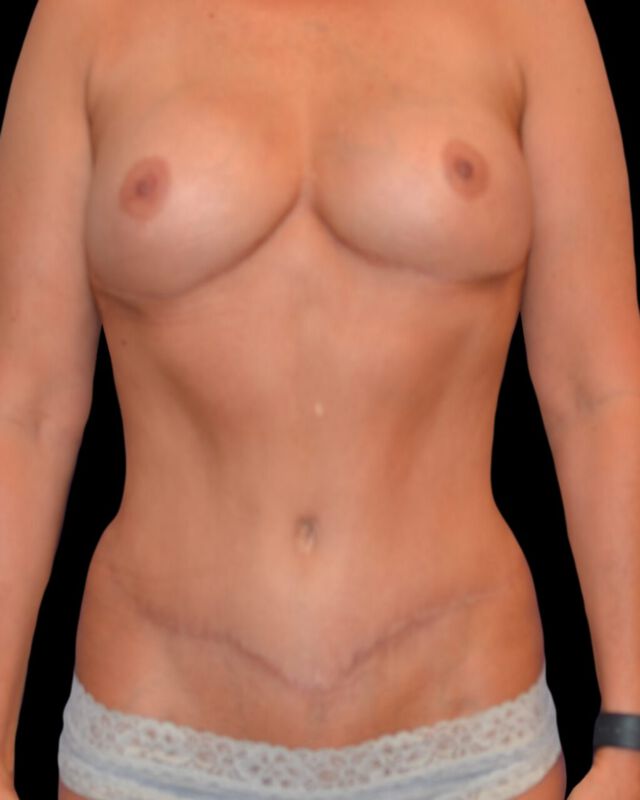
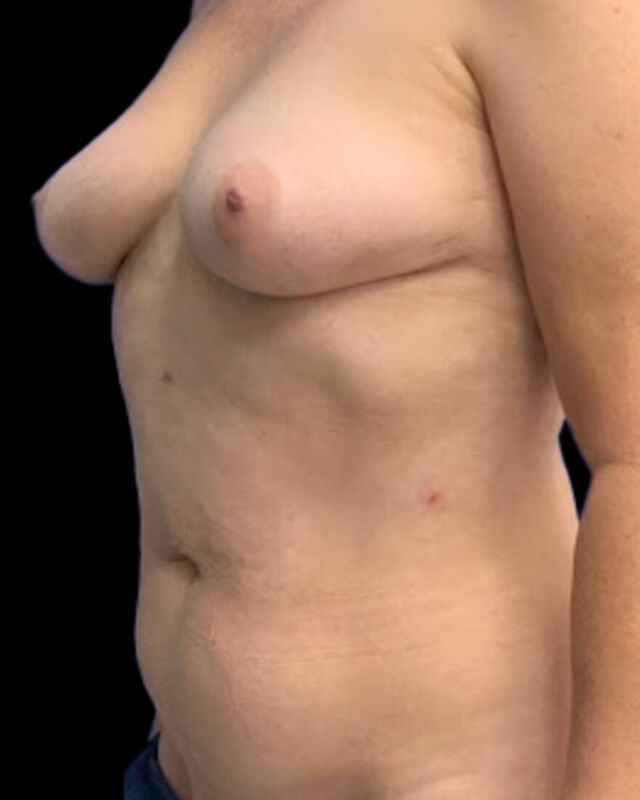
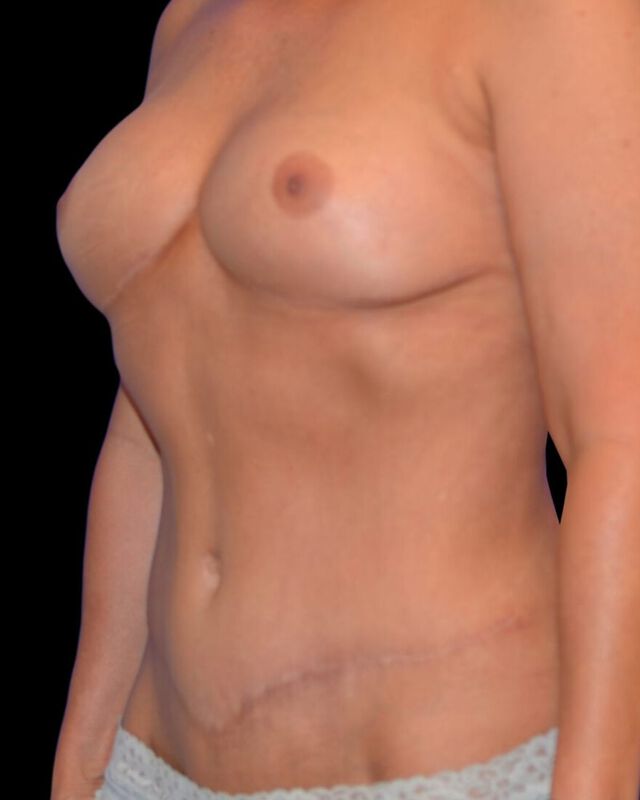
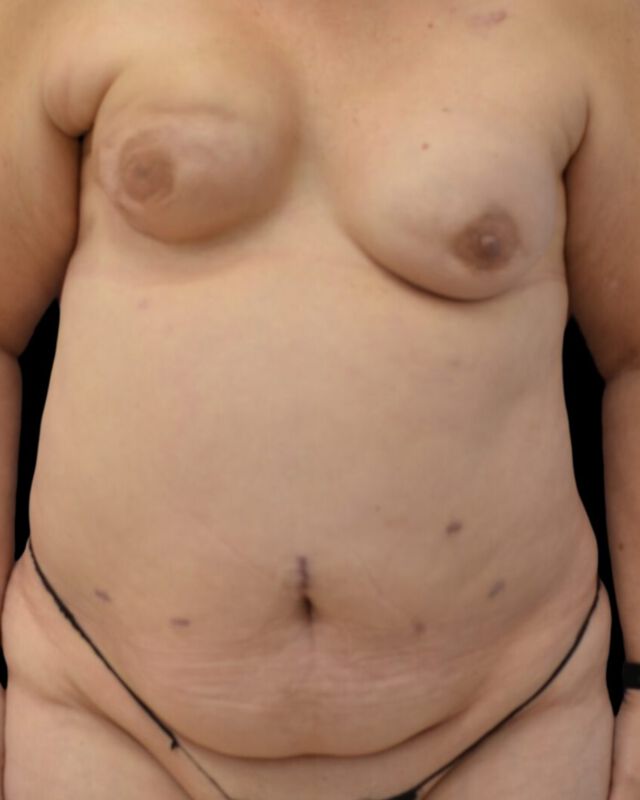
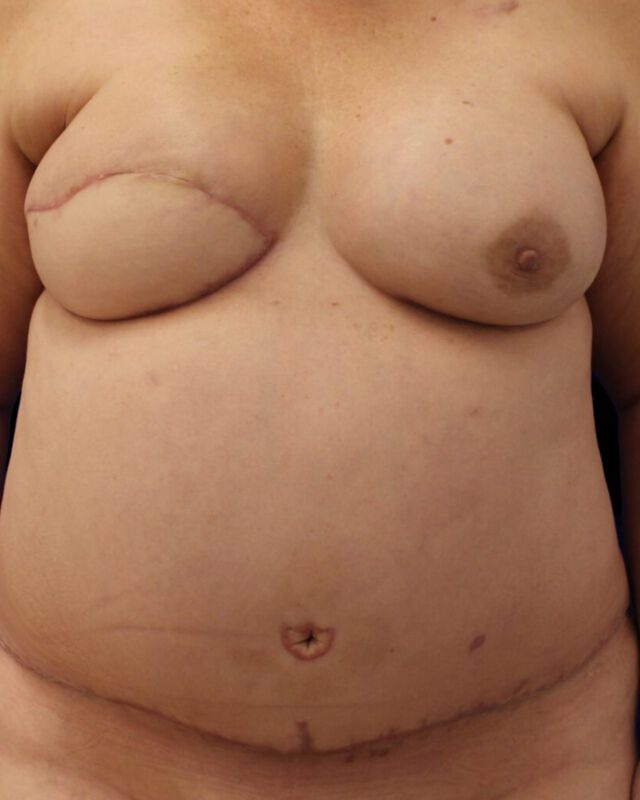
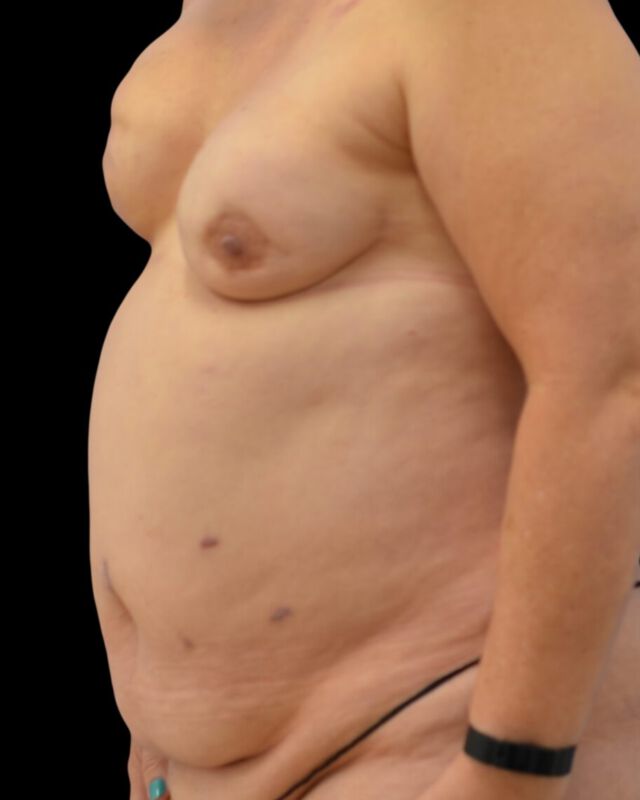
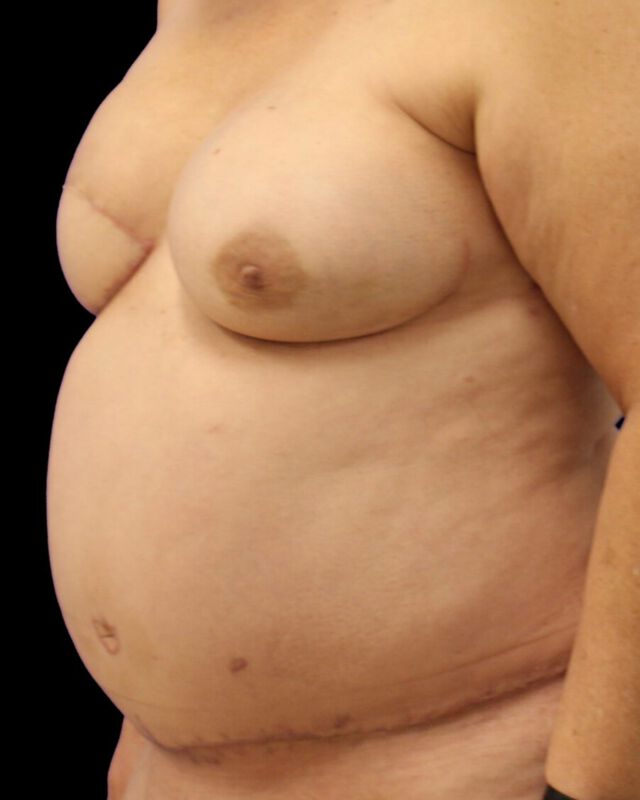
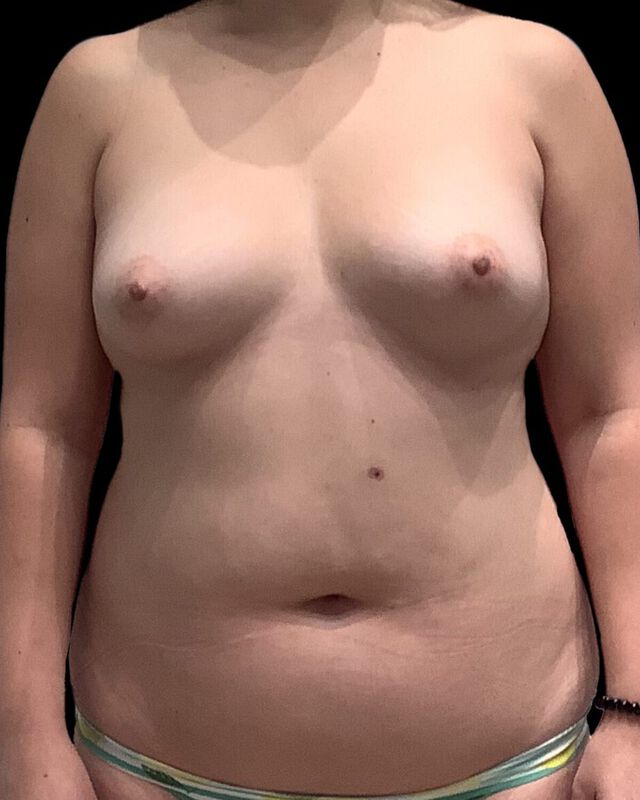
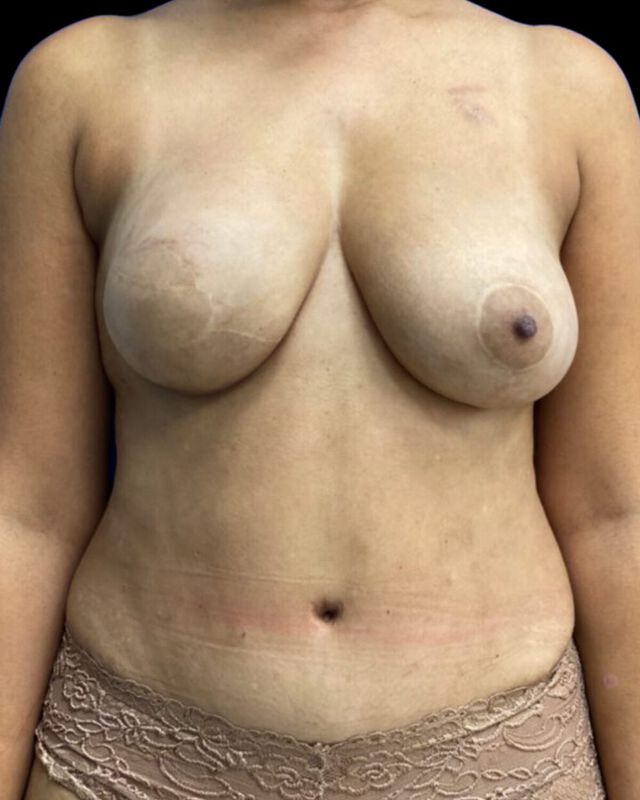
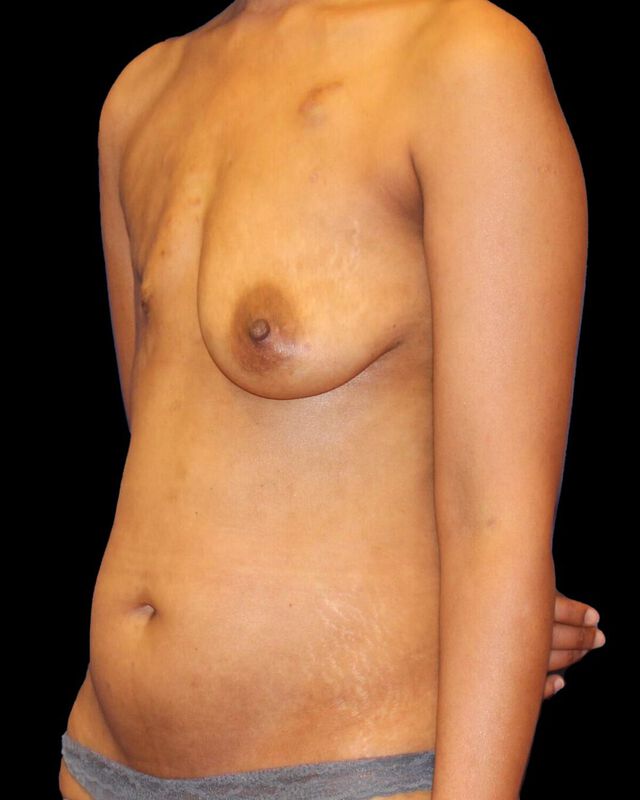
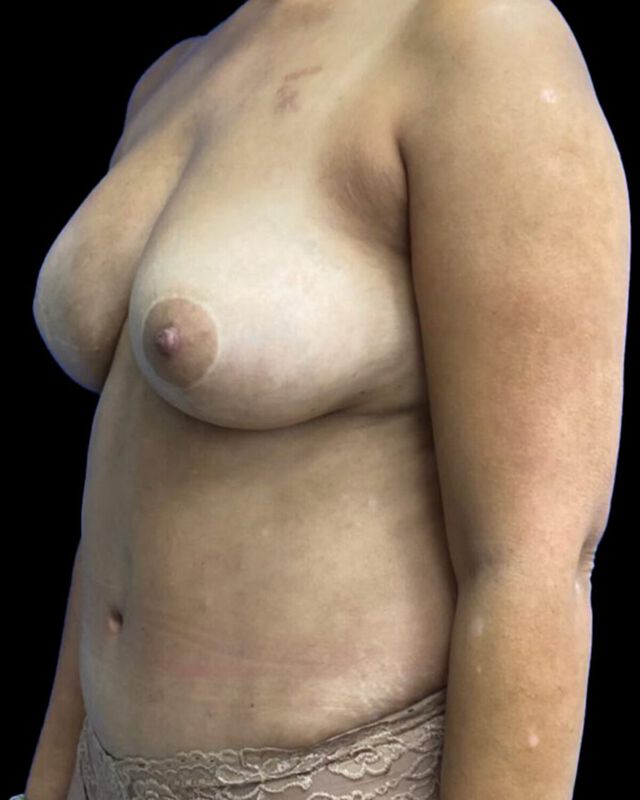
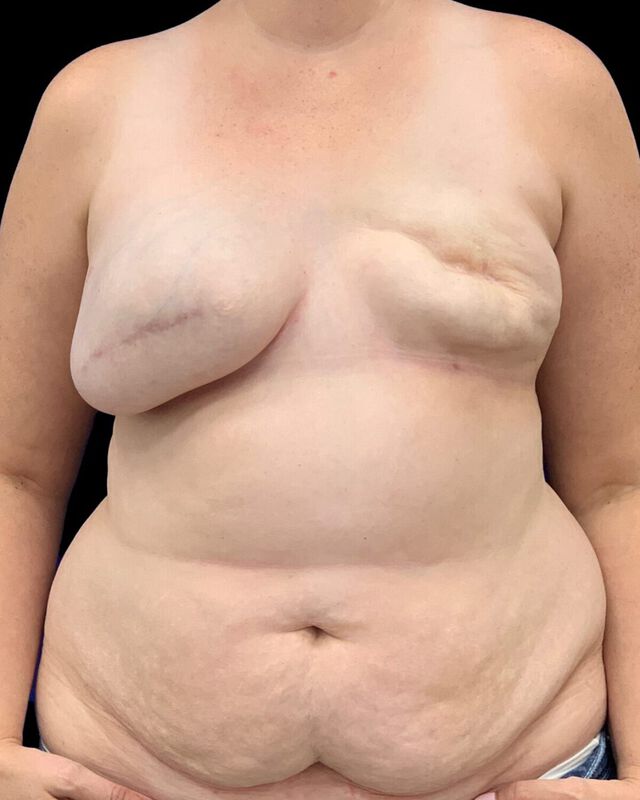
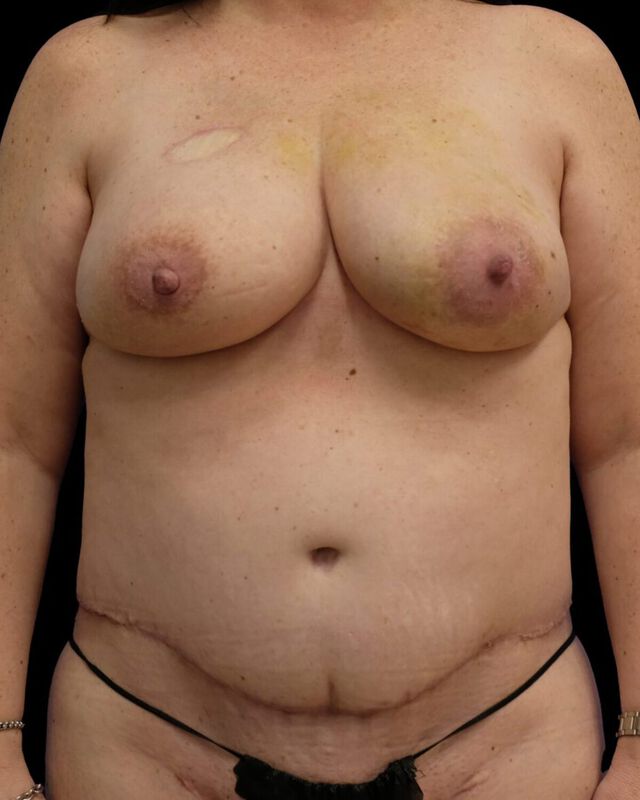
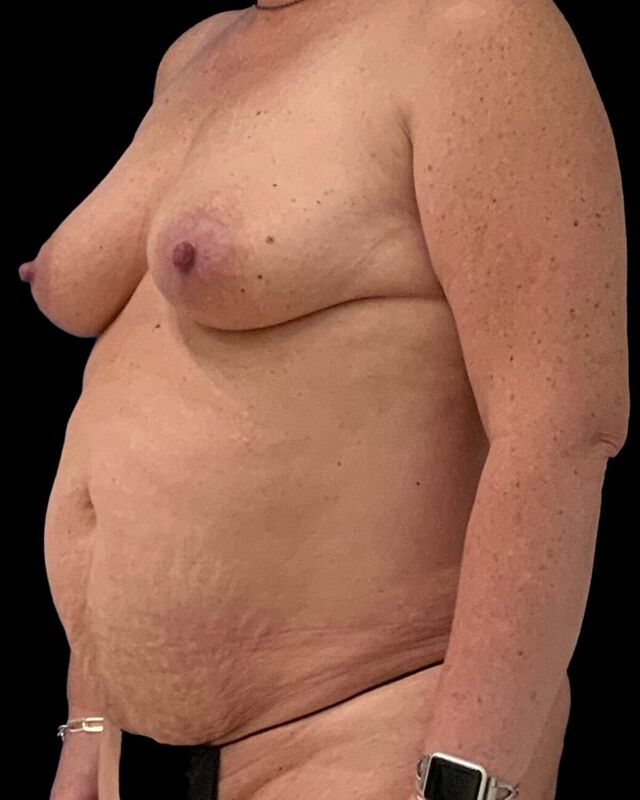
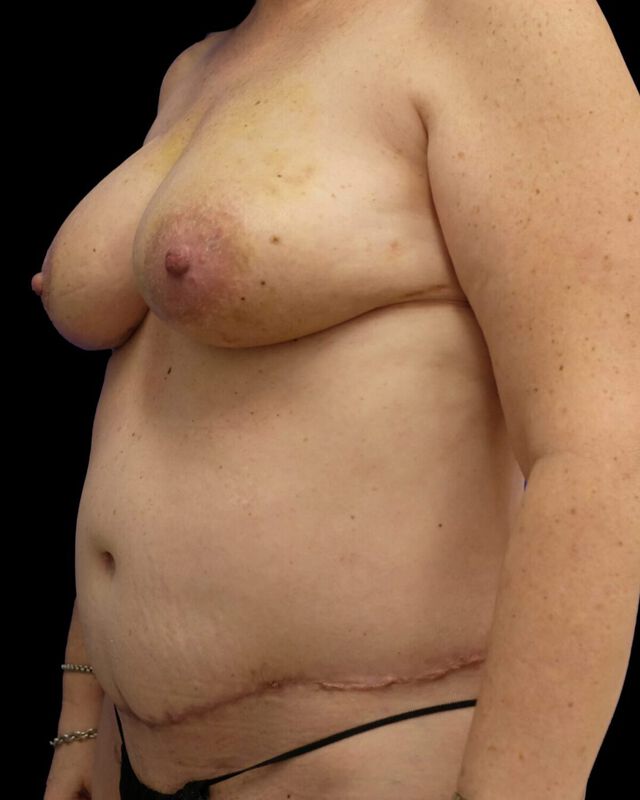
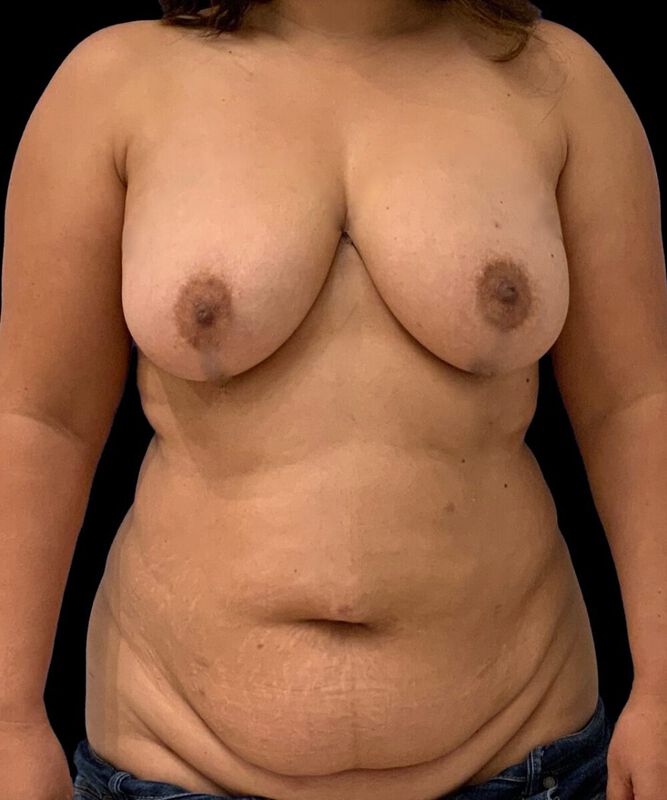
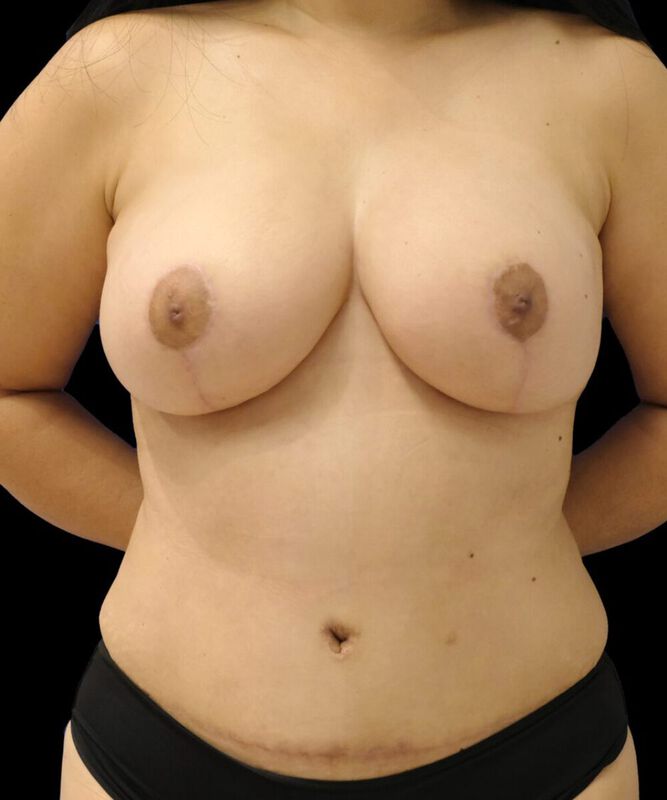
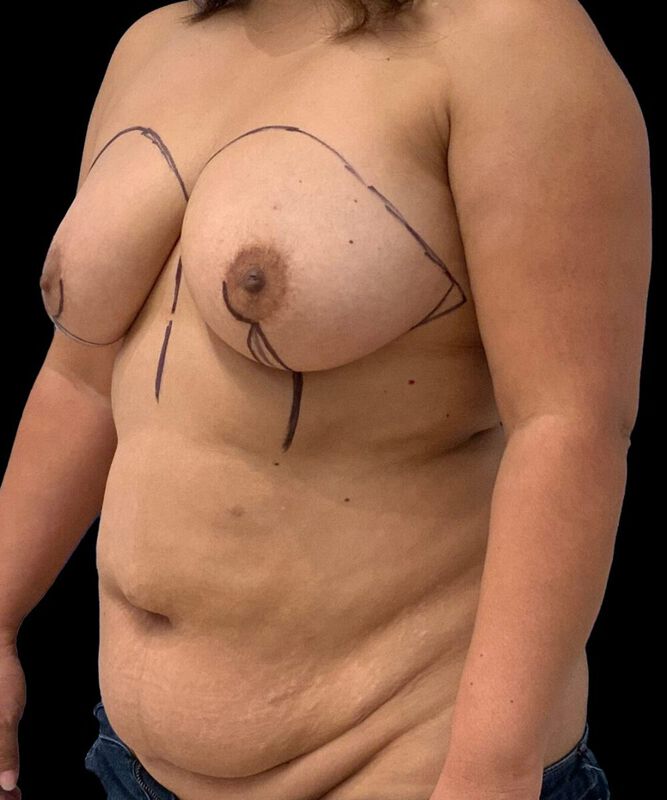
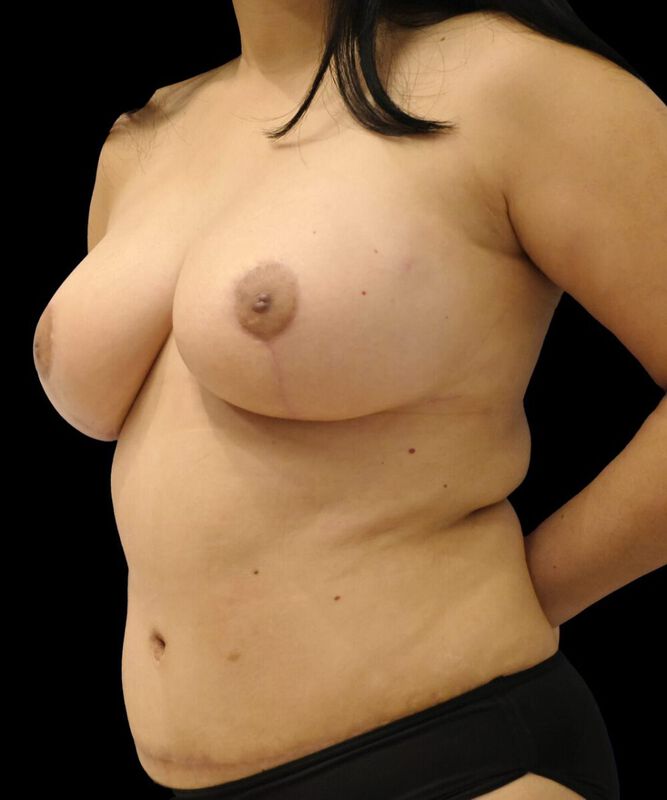
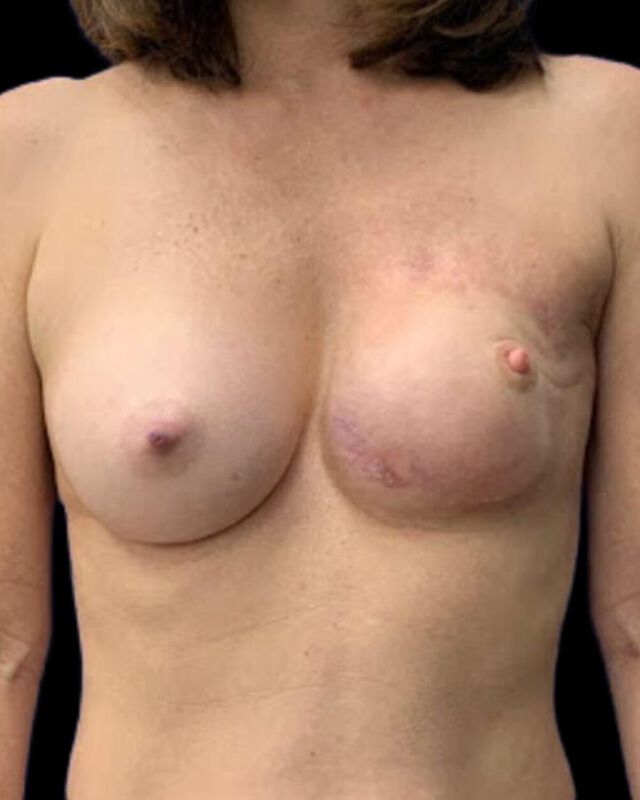
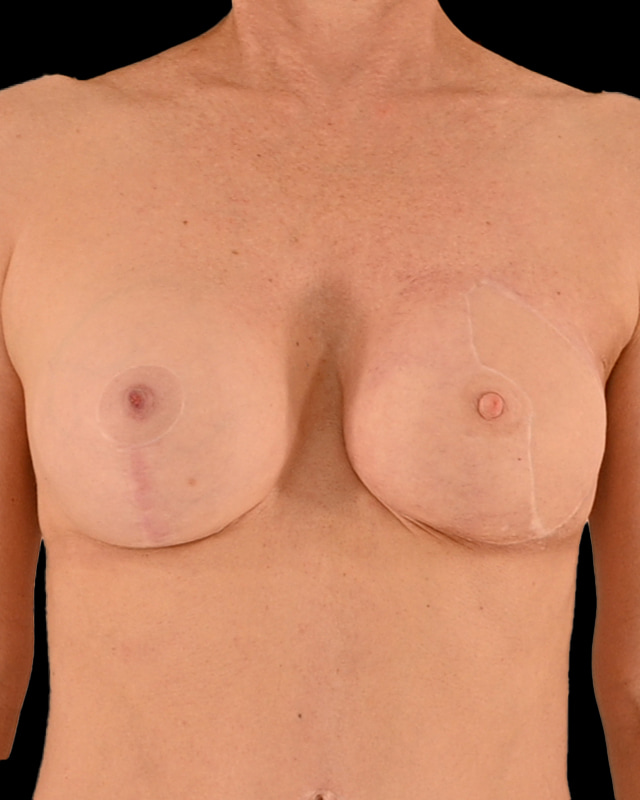
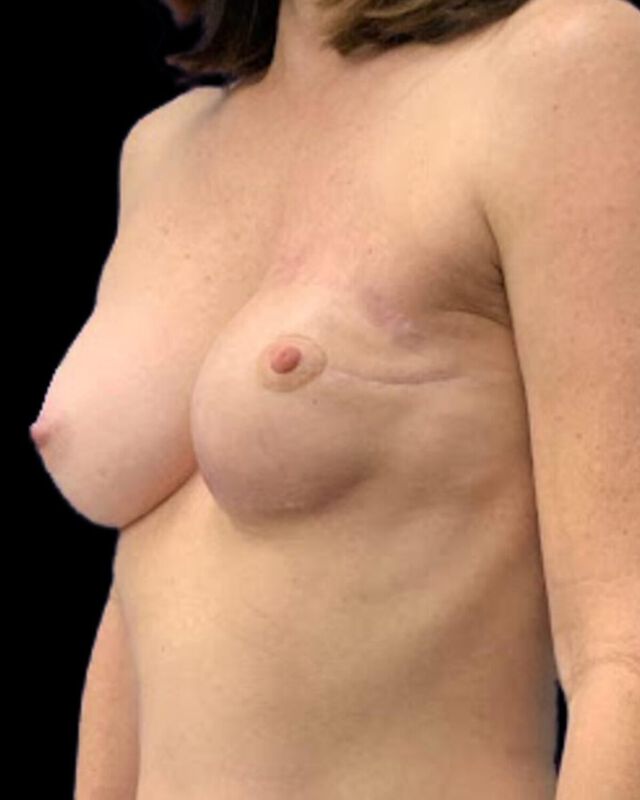
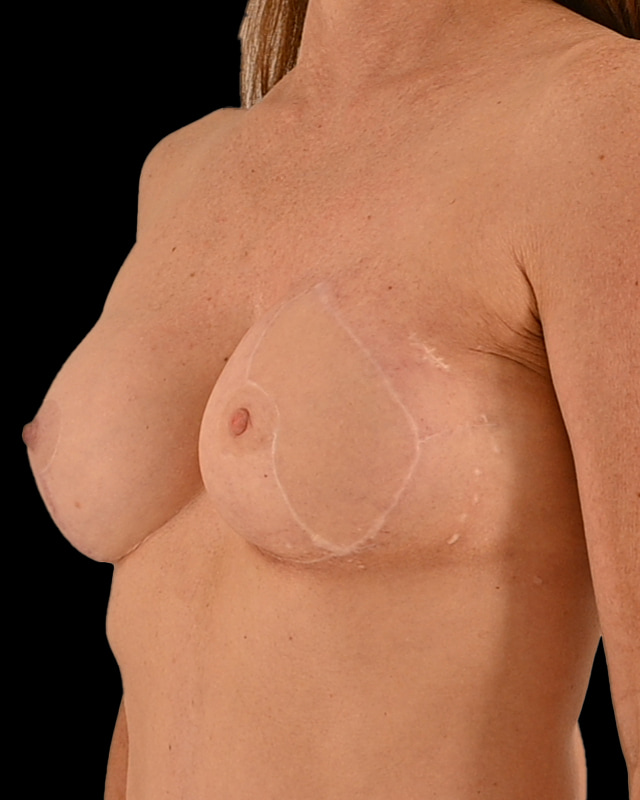
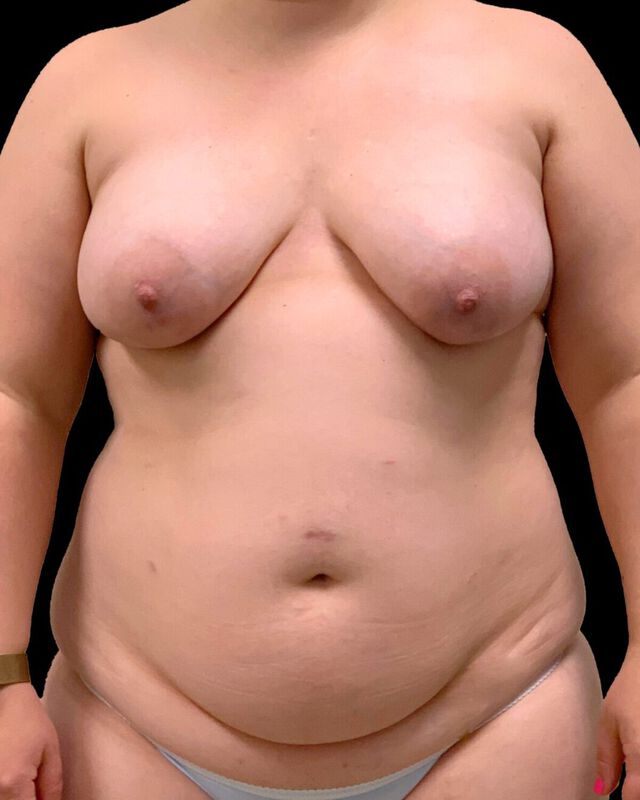
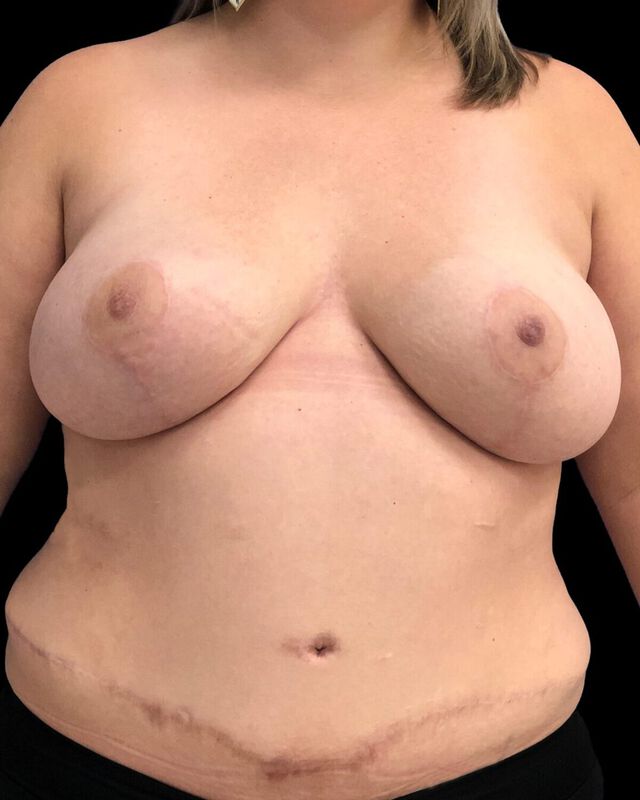
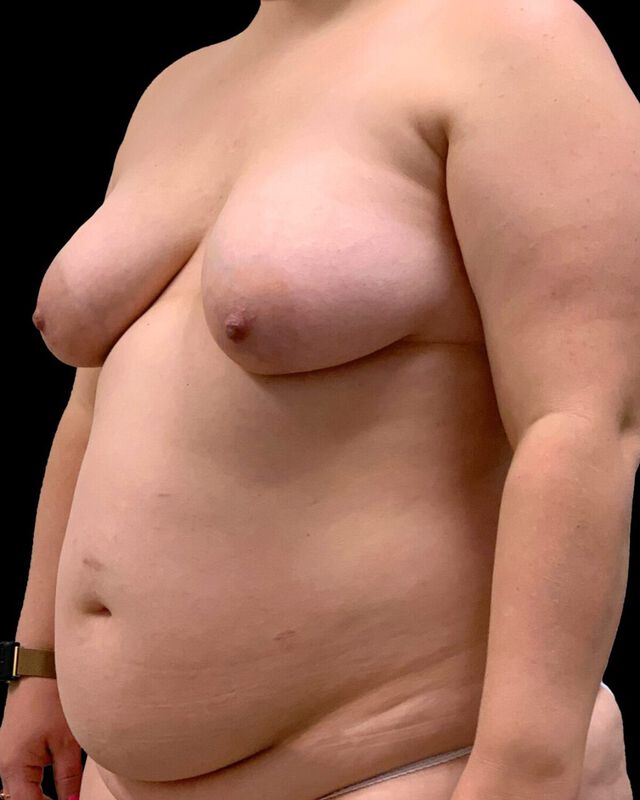
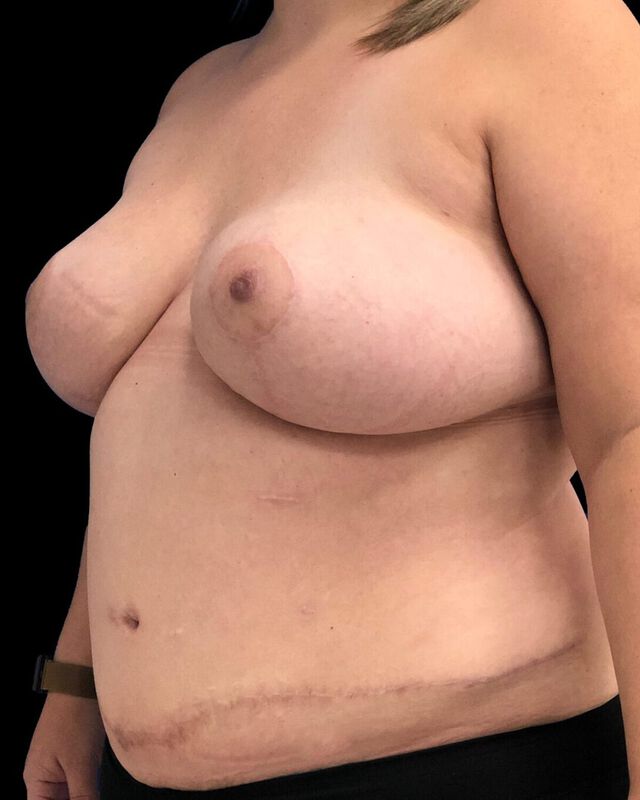
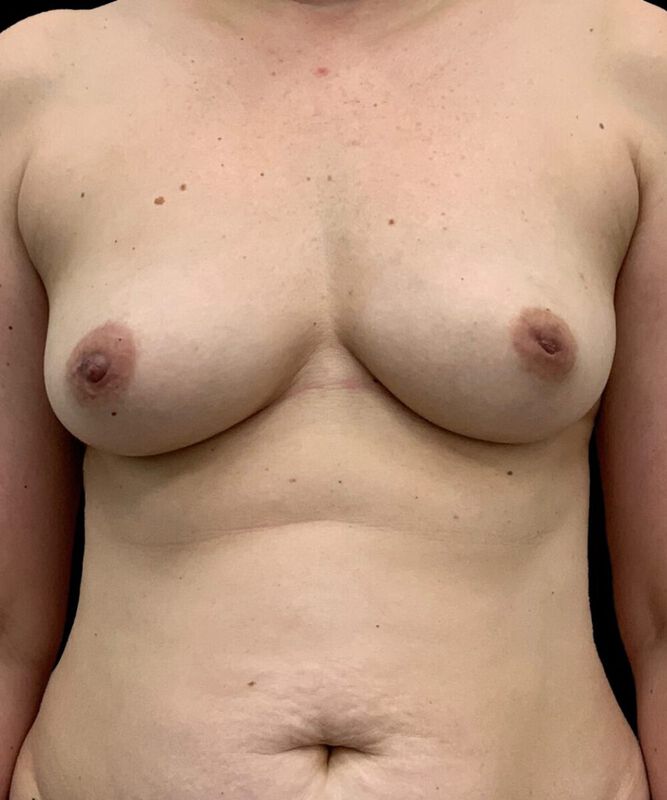
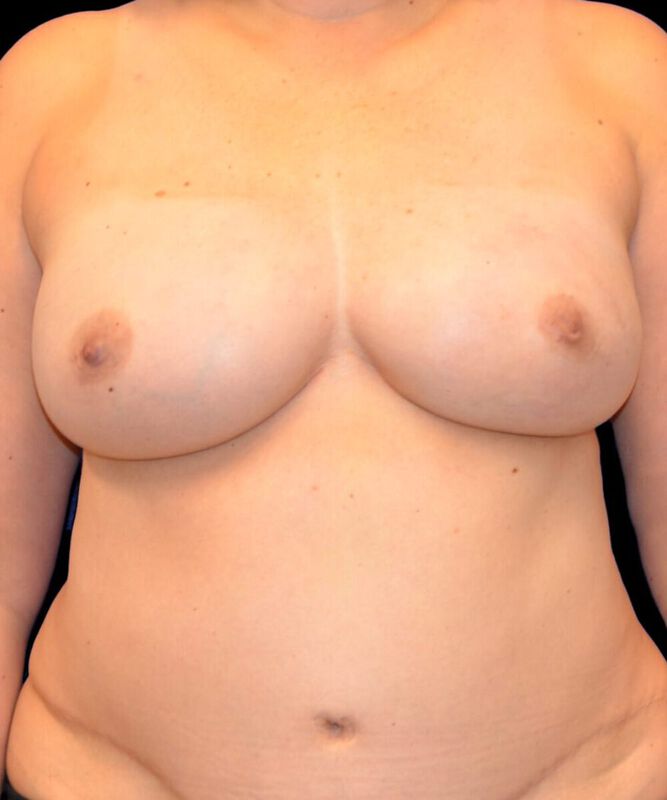
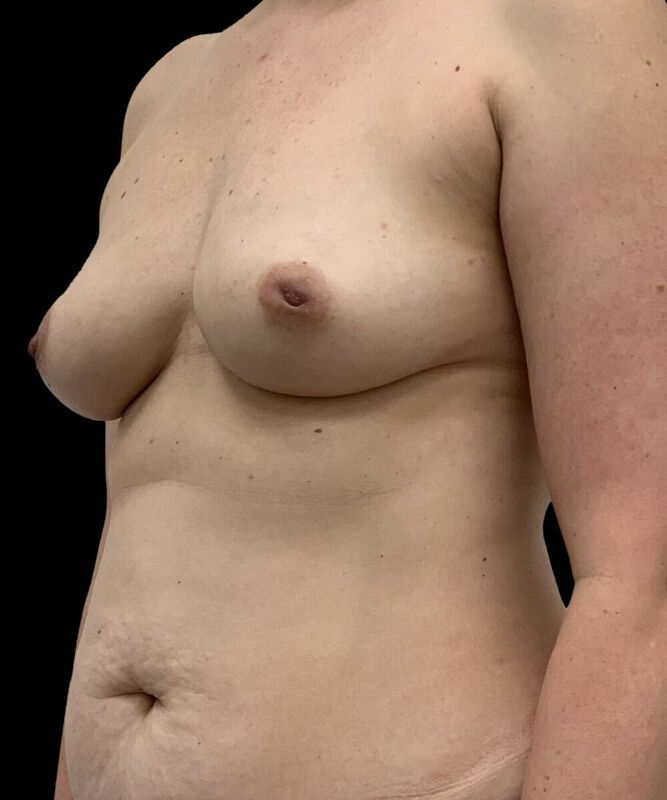
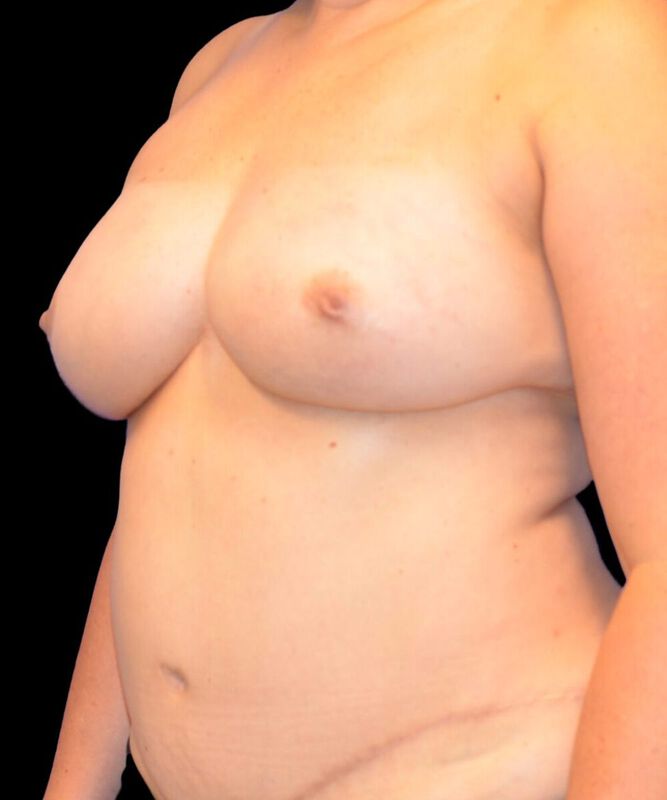
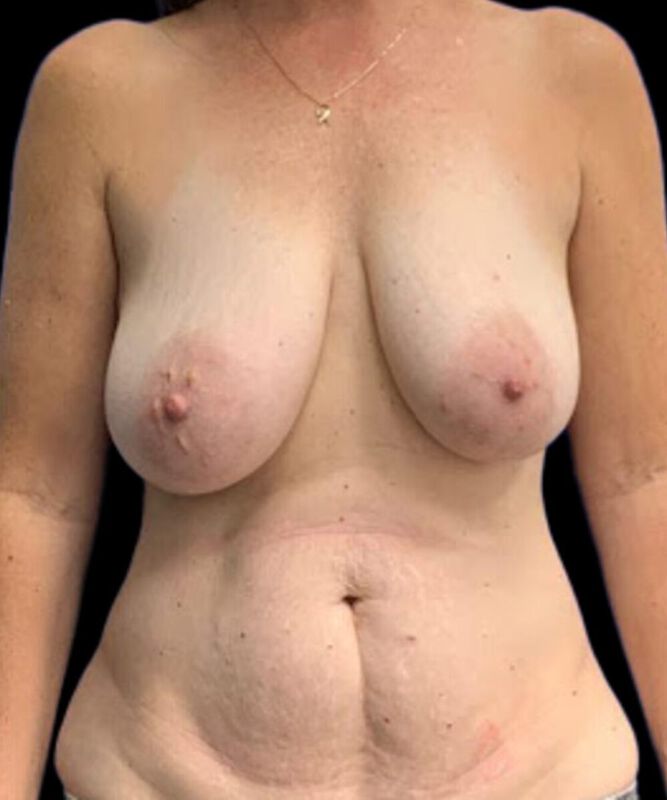
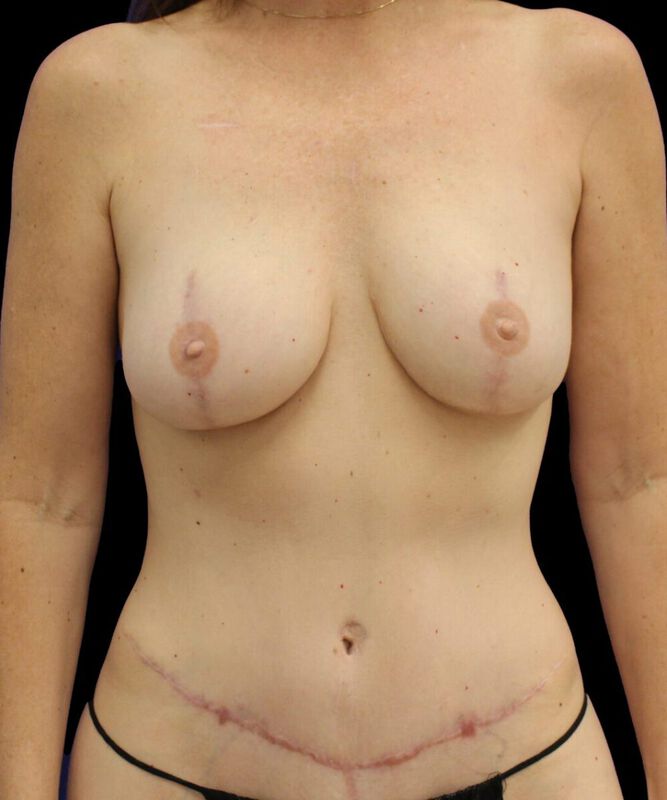
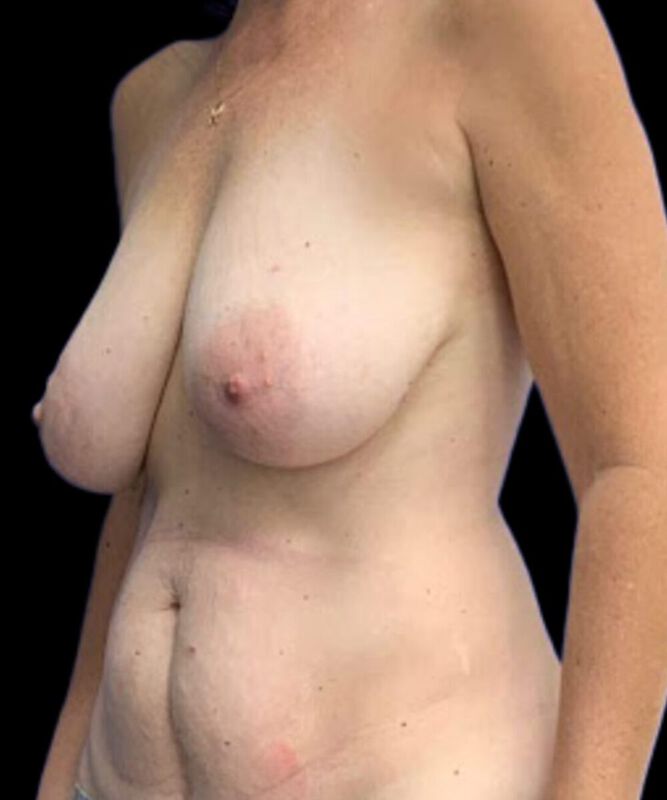
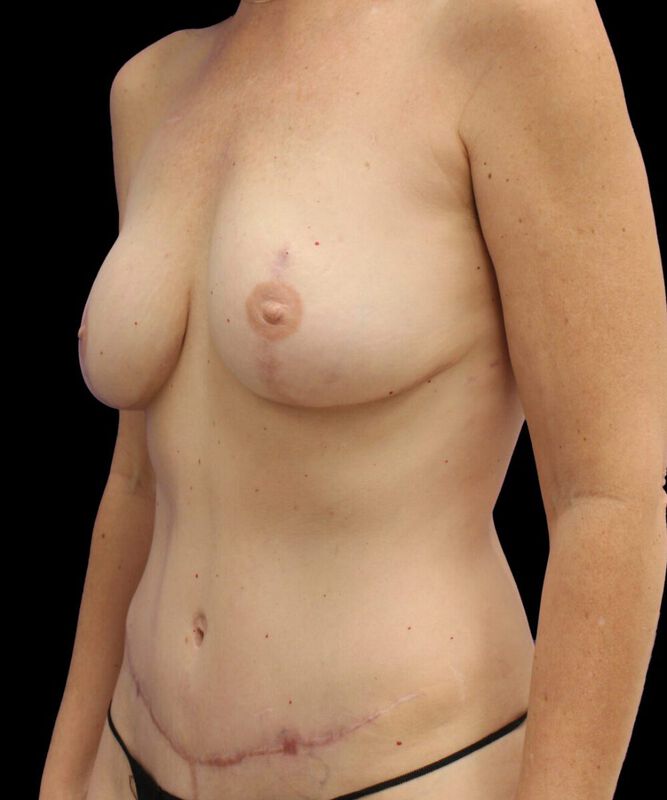
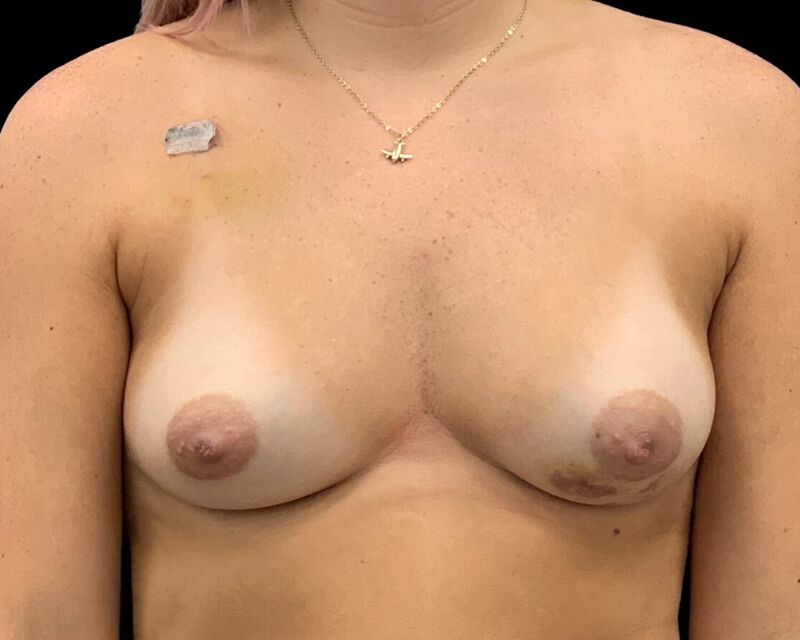
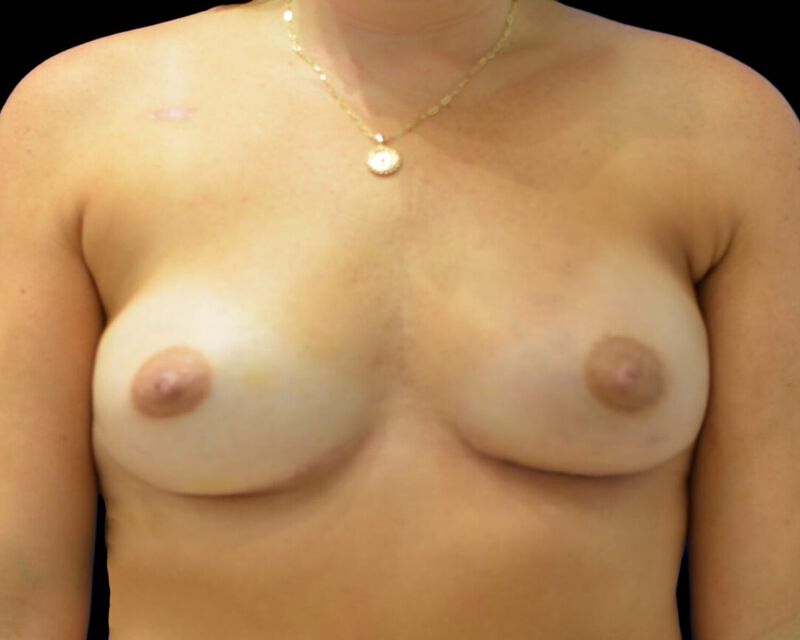
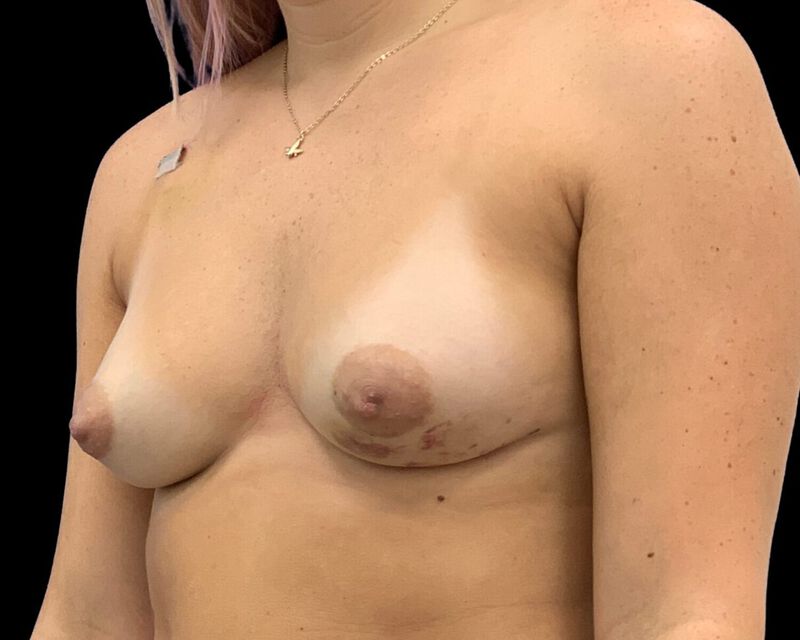
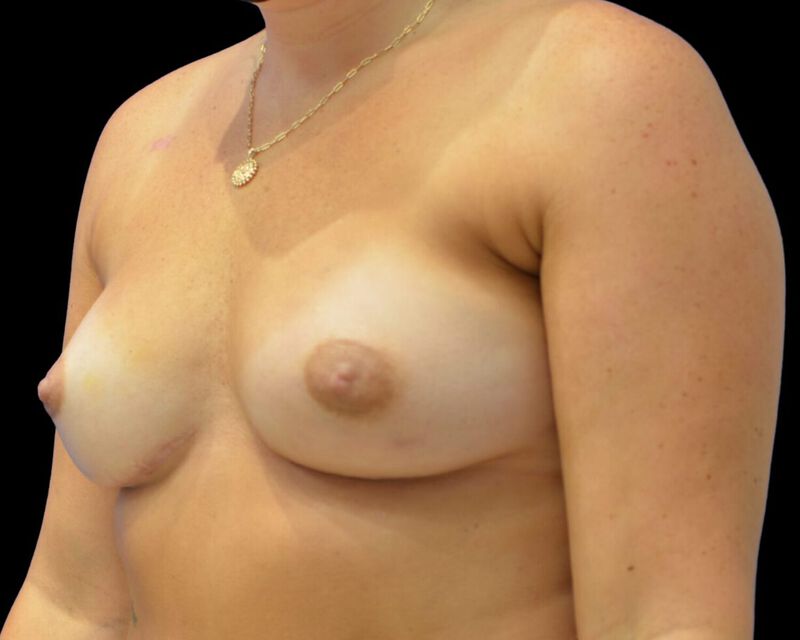
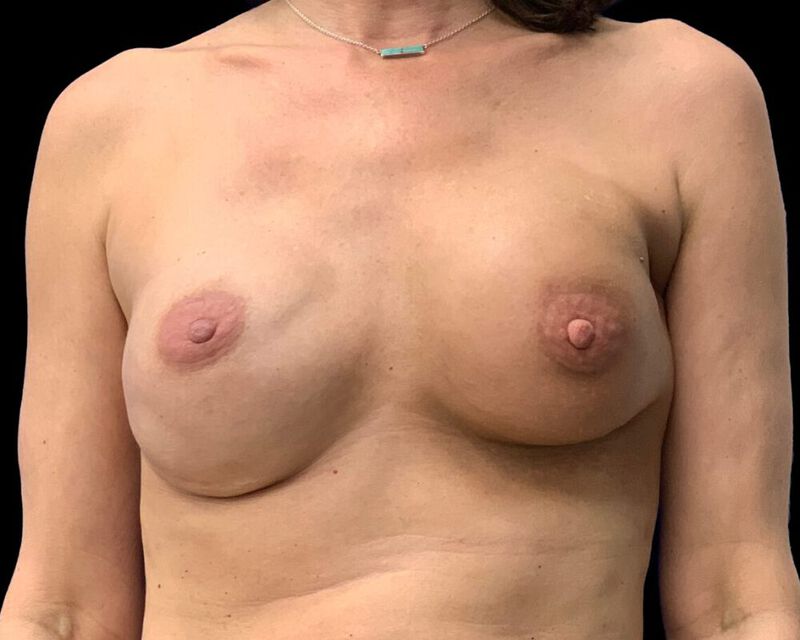
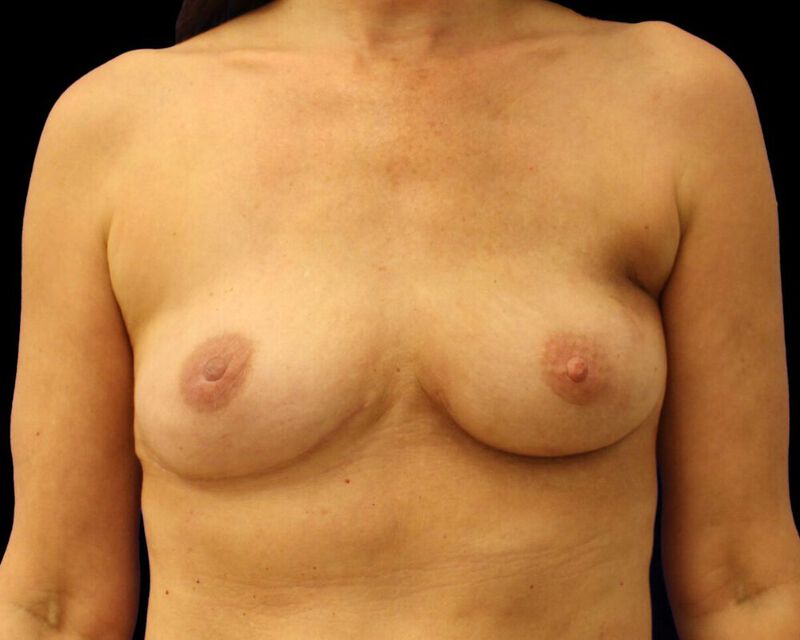
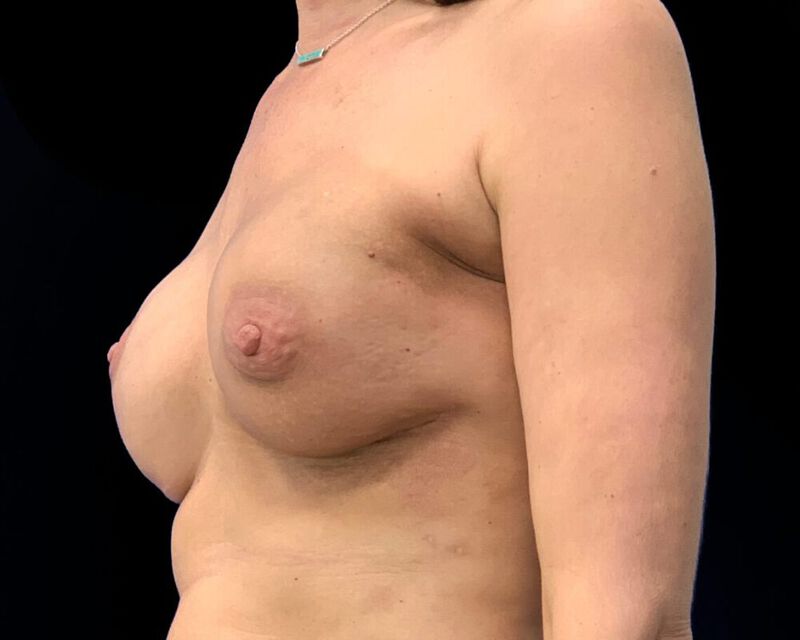
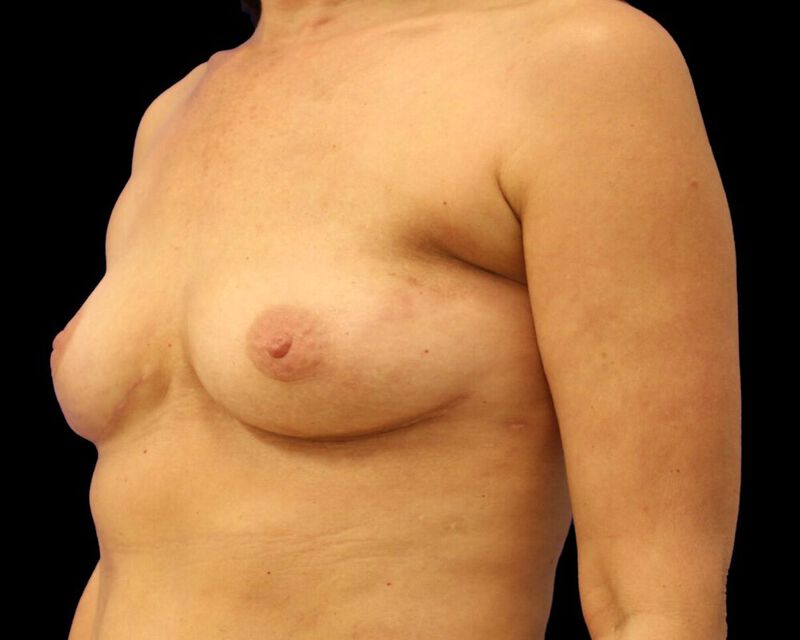
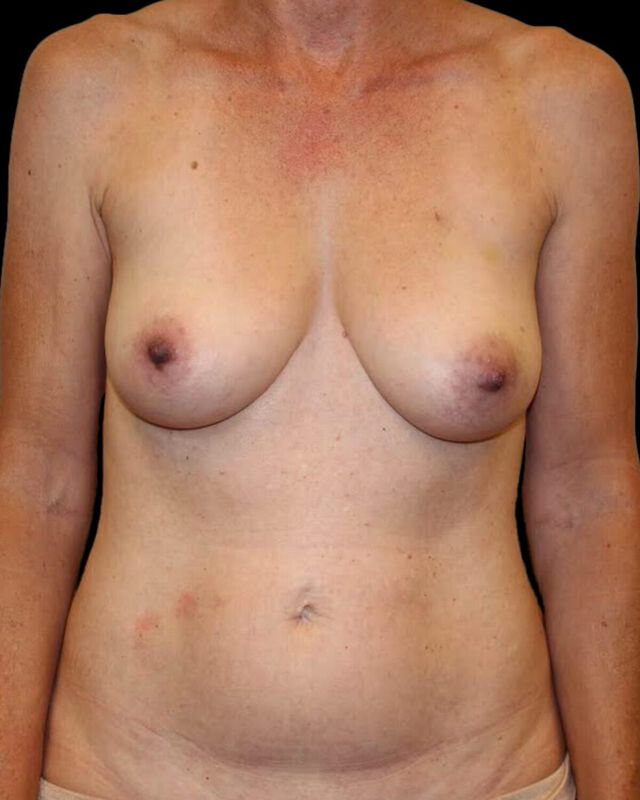
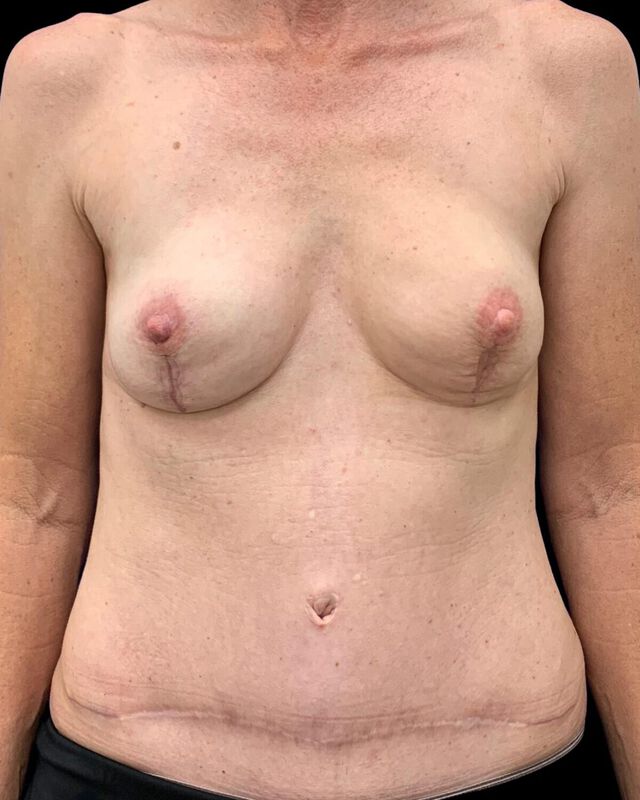
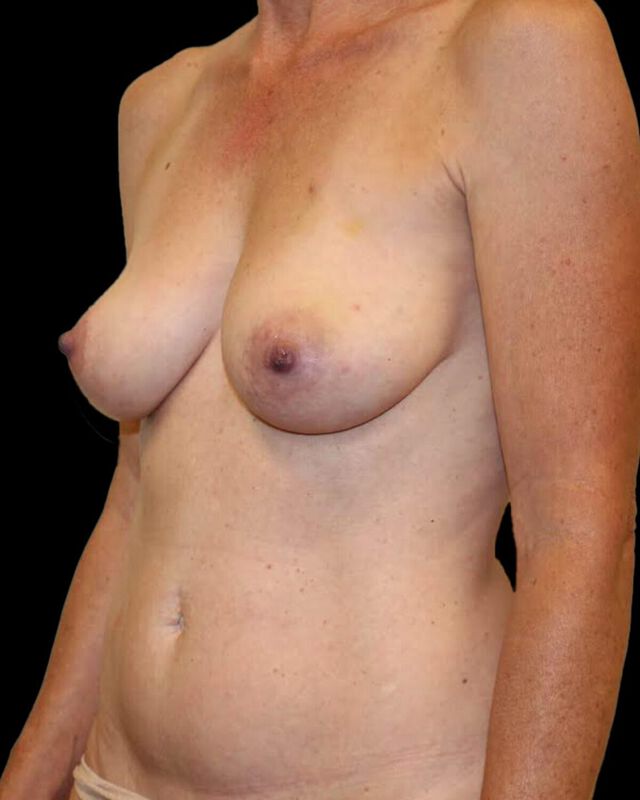
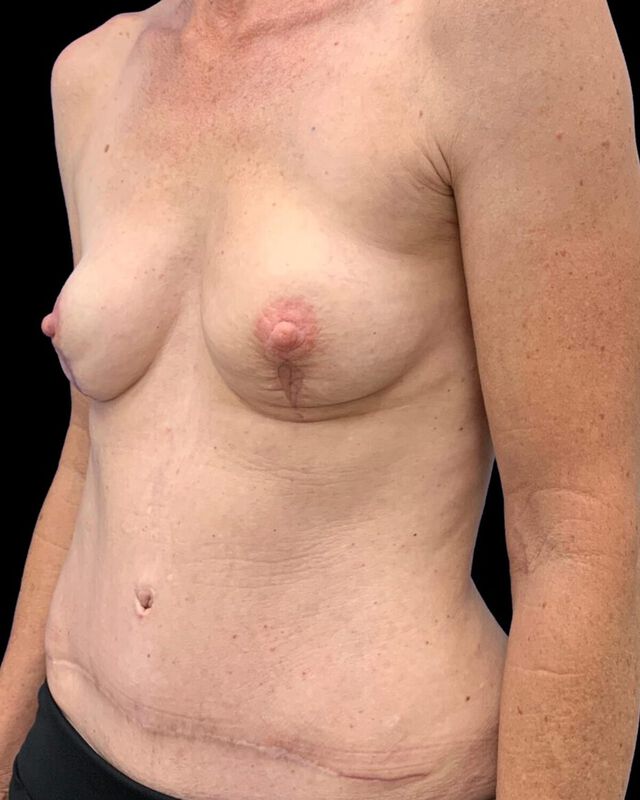
Women in the East Valley are often told that retaining their own tissue requires sacrificing their core strength. That is an outdated trade-off.
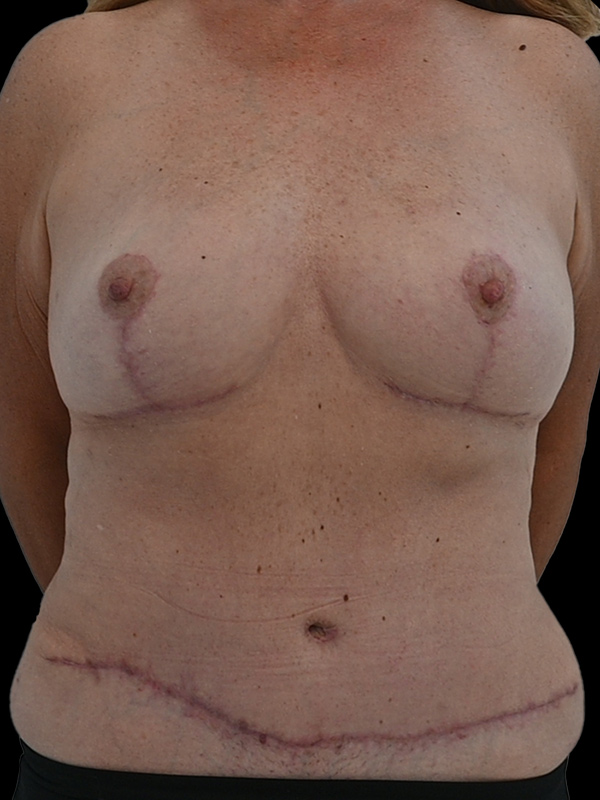
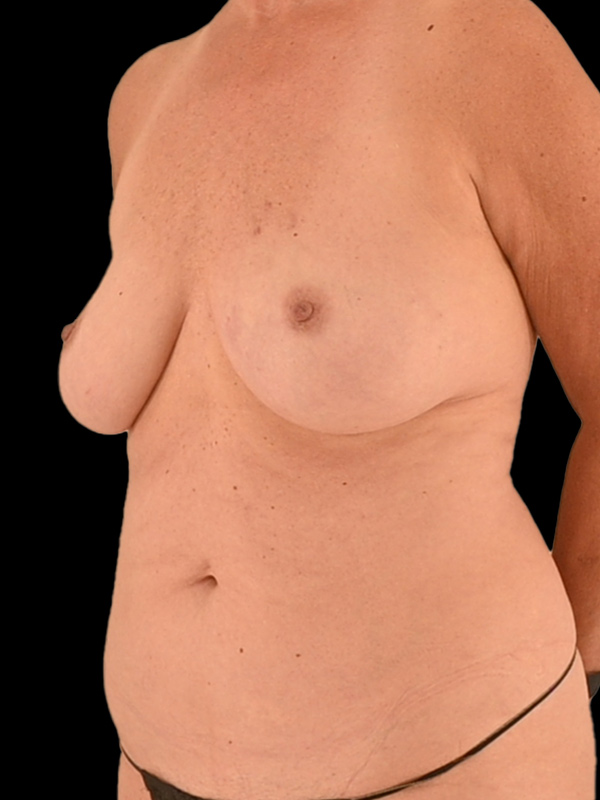
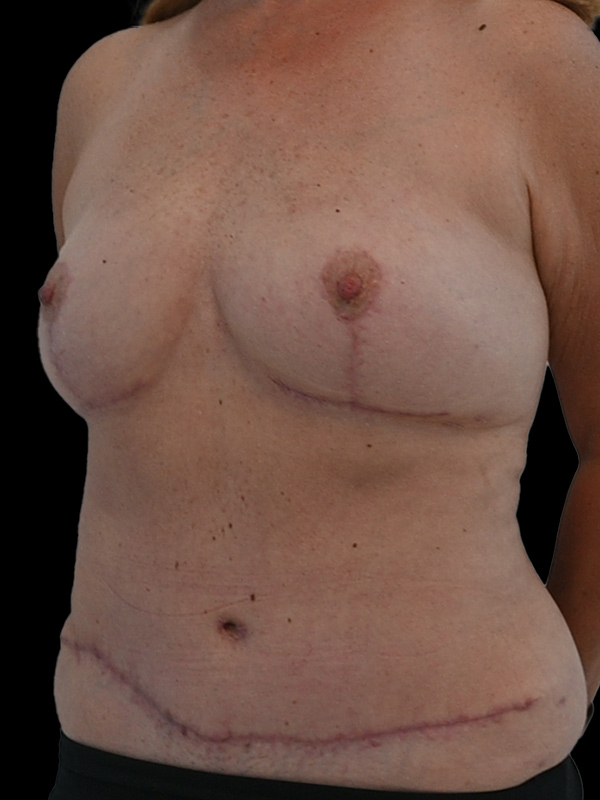
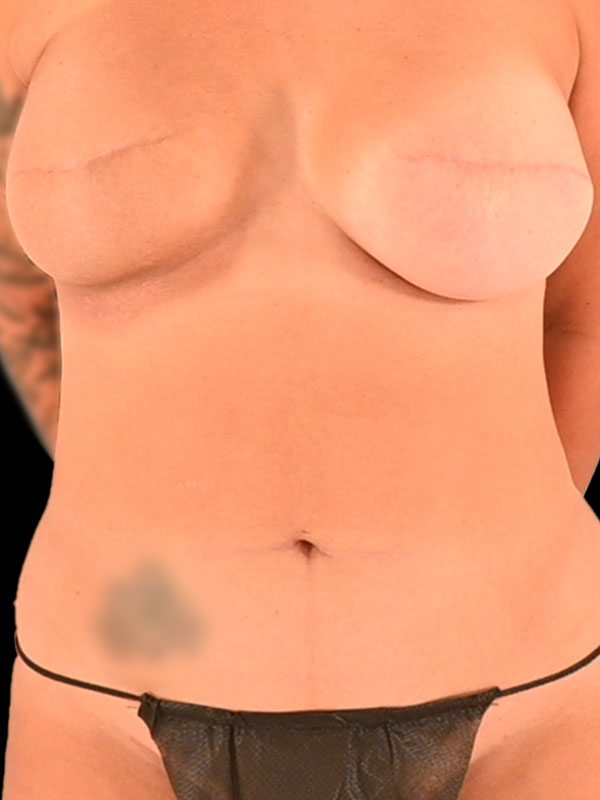
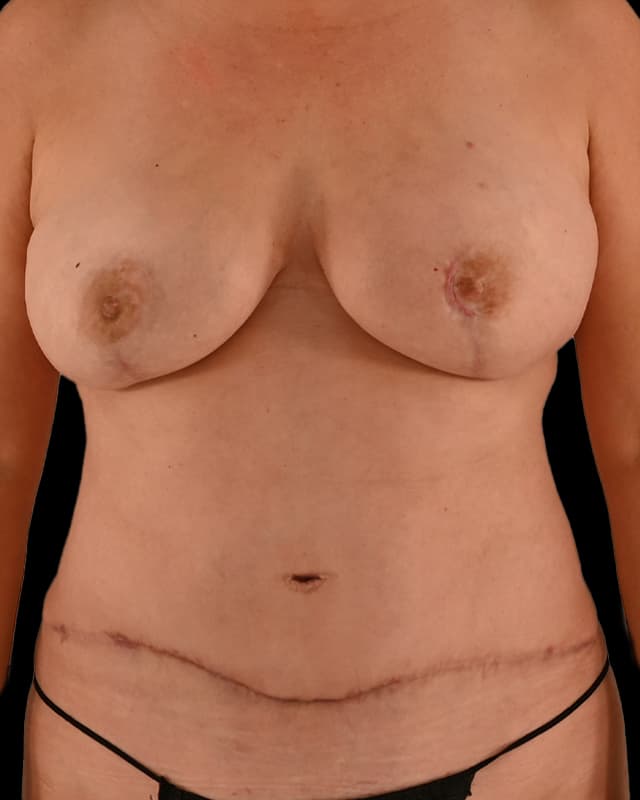
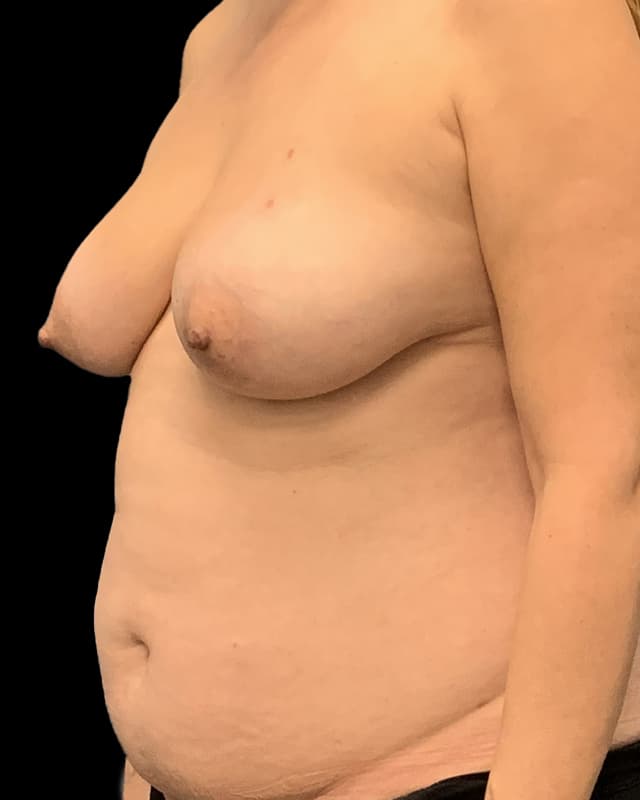
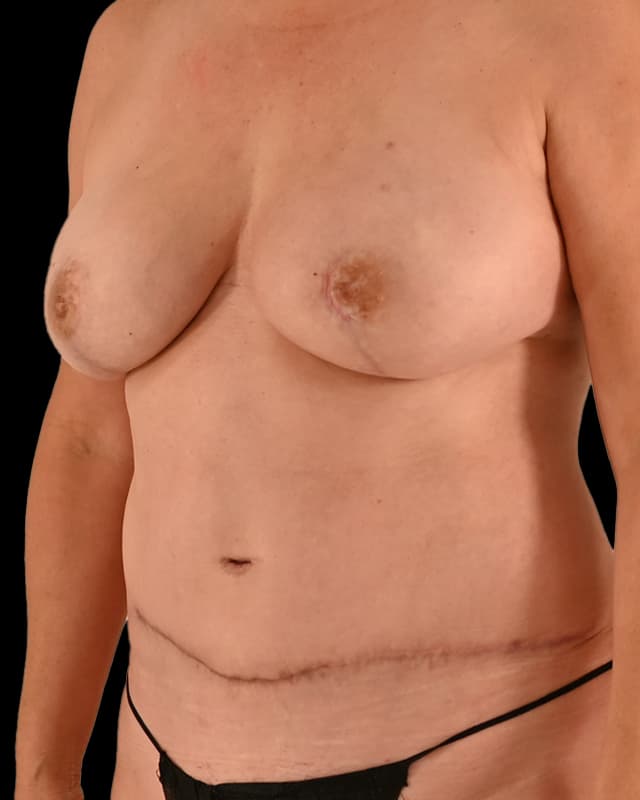
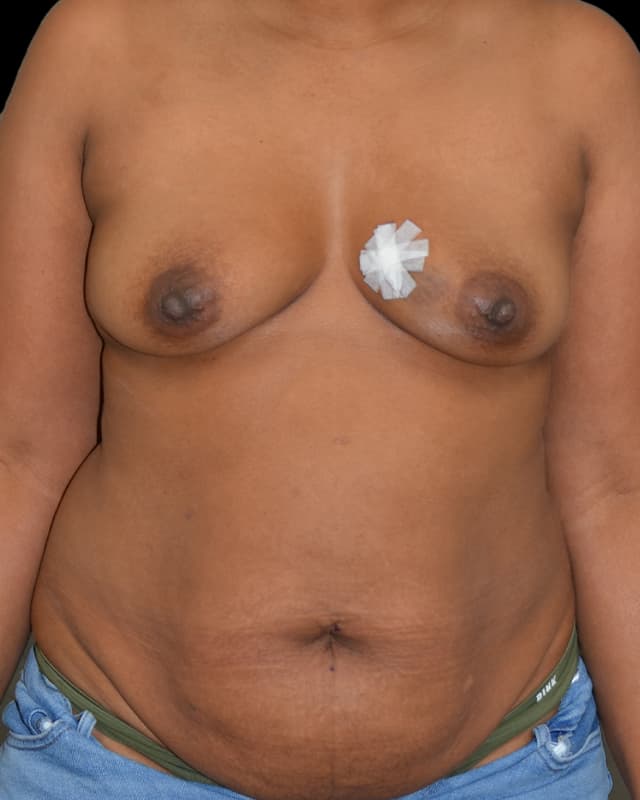
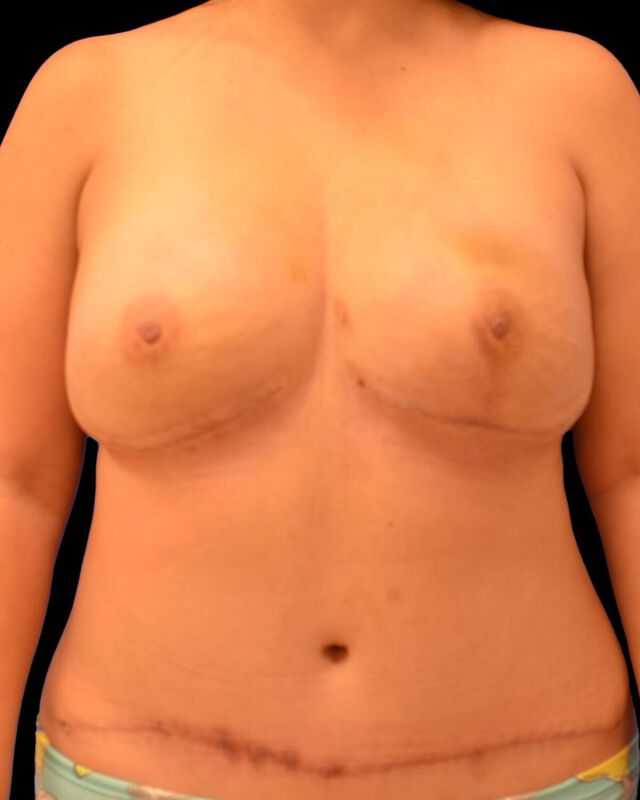
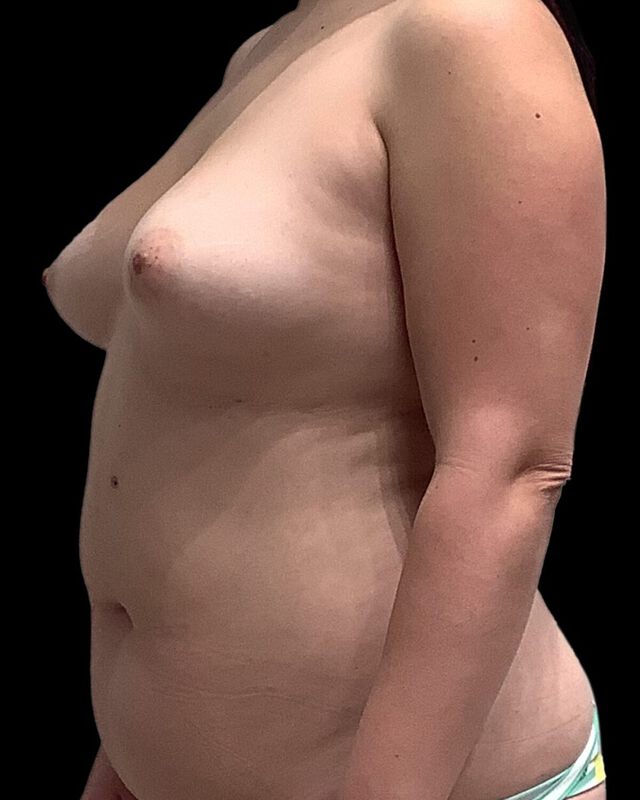
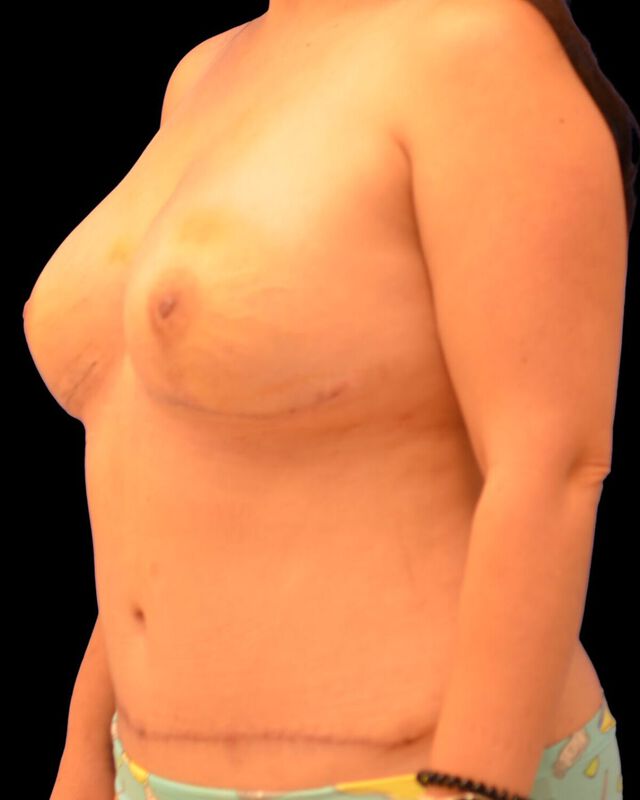
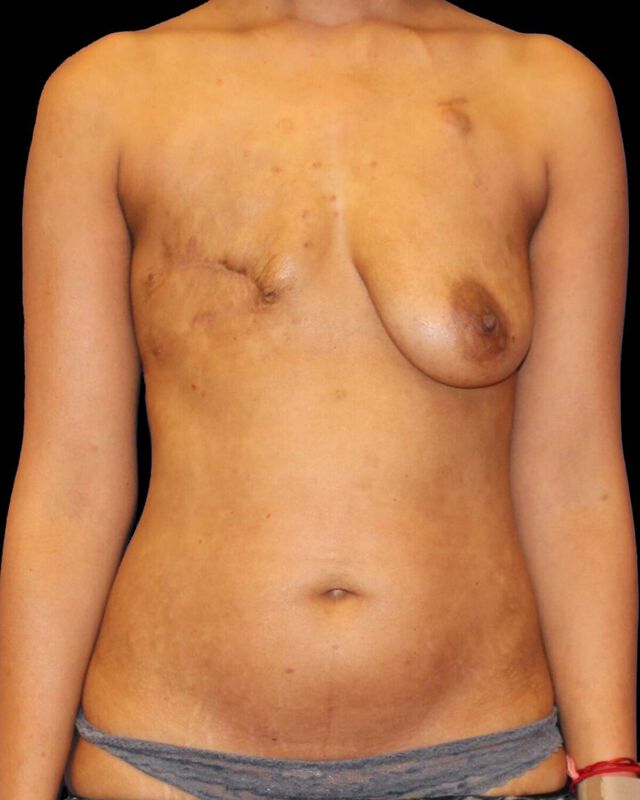
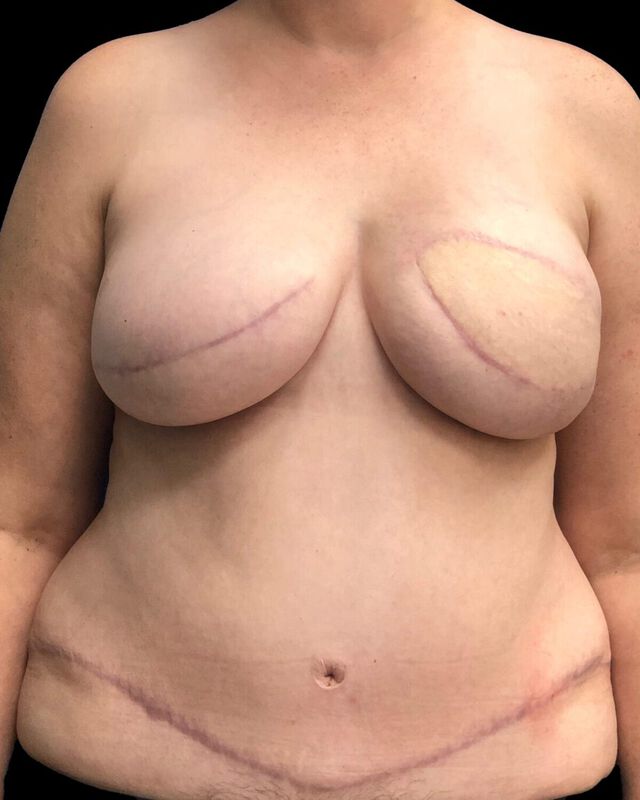
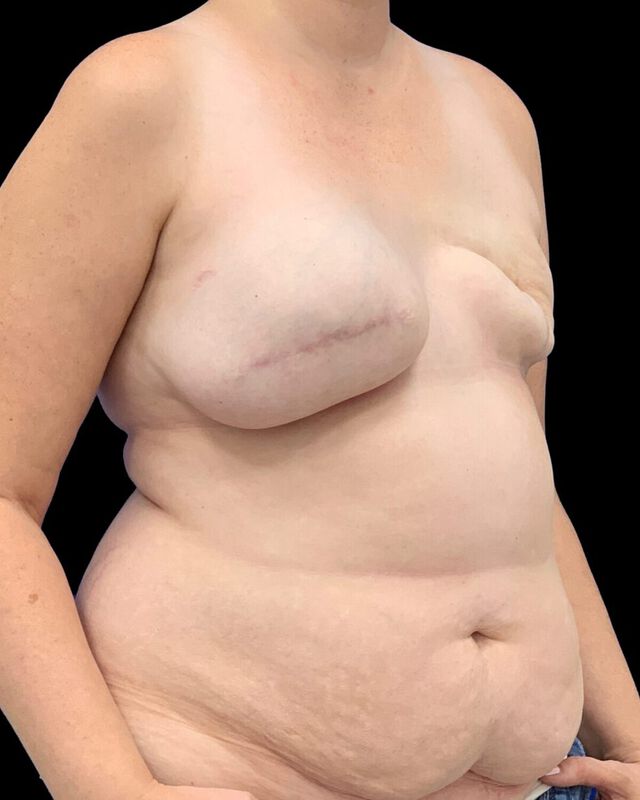
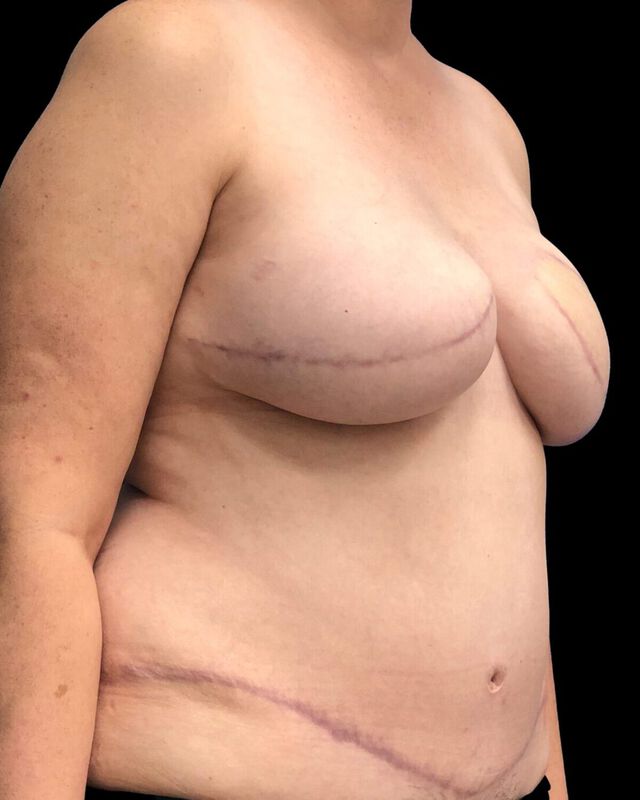
At Southwest Breast & Aesthetics, we prioritize autologous reconstruction—using your own tissue to repair the deficit—without the collateral damage of older surgeries. Our focus is the DIEP flap. By carefully isolating blood vessels in the lower abdomen, we transfer skin and fat to the chest to create a natural breast mound.
Crucially, we do this without cutting the abdominal muscle. This allows women in Ocotillo and the Price Corridor to regain their silhouette without compromising their physical capability or committing to decades of implant exchanges.
DIEP flap reconstruction stands for Deep Inferior Epigastric Perforator flap. It is the modern gold standard in autologous reconstruction, meaning it uses your own living tissue rather than a synthetic foreign object.
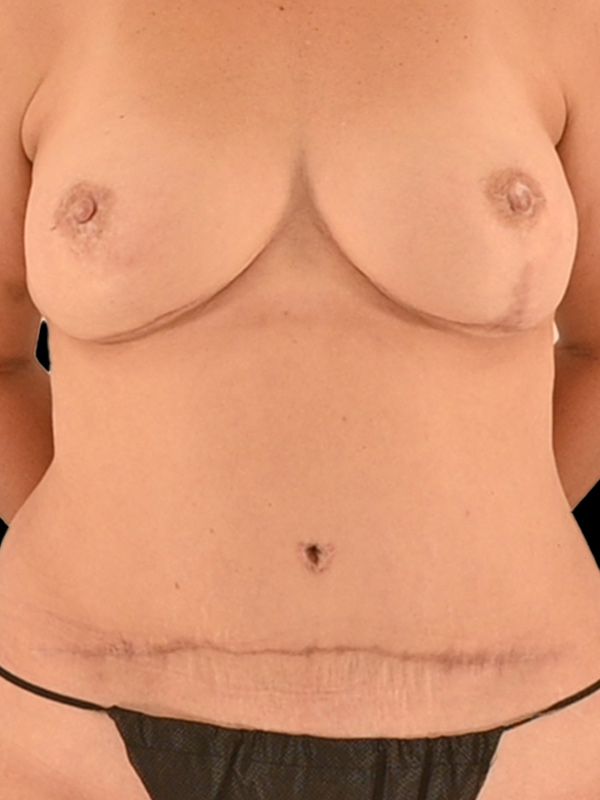
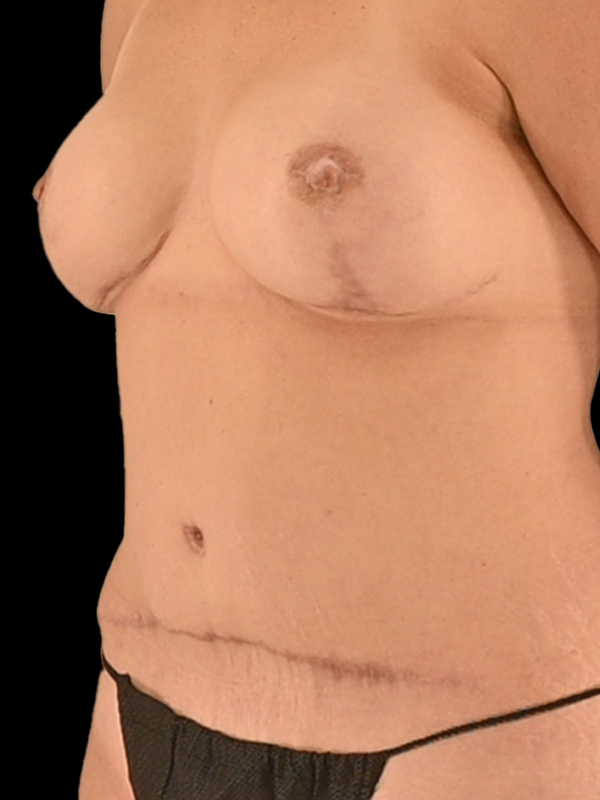
During this complex surgical procedure, our reconstructive surgeons carefully transfer skin and fat from the lower abdomen to the chest to create a new breast mound. The defining characteristic of the DIEP technique—and what sets it apart from the traditional TRAM flap—is the preservation of the abdominal wall.
In older surgeries, the abdominal muscles were cut or sacrificed to ensure the tissue survived. With the DIEP method, we use high-powered microscopes to isolate specific blood vessels (perforators) that run through the muscle without cutting the muscle fibers themselves. These tiny vessels are then reconnected to blood vessels in the chest, establishing a new blood supply for the reconstructed breast.
Because no muscle is removed, patients maintain their core strength and experience a faster, more comfortable recovery. This makes DIEP flap surgery an ideal choice for active women who want to return to yoga, hiking, or simply lifting their grandchildren without the risk of long-term abdominal weakness or hernias.
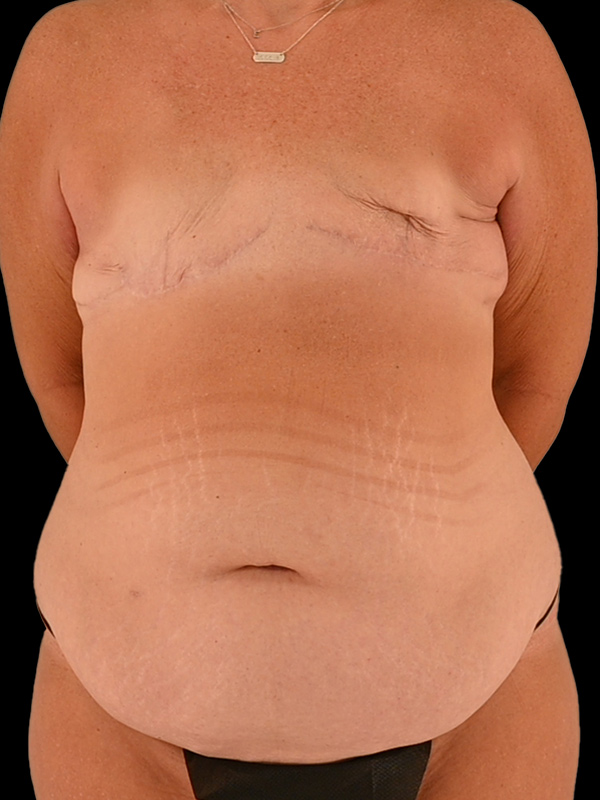
The appeal of implants is surgical efficiency: it is a shorter operation with a quicker initial recovery. The trade-off is the expiration date. Unlike your own tissue, silicone and saline devices inevitably fail. They introduce lifelong maintenance loops—including rupture risks and the potential for painful hardening (capsular contracture)—turning a one-time solution into a recurring medical event.
DIEP flap breast reconstruction offers a distinct biological advantage:
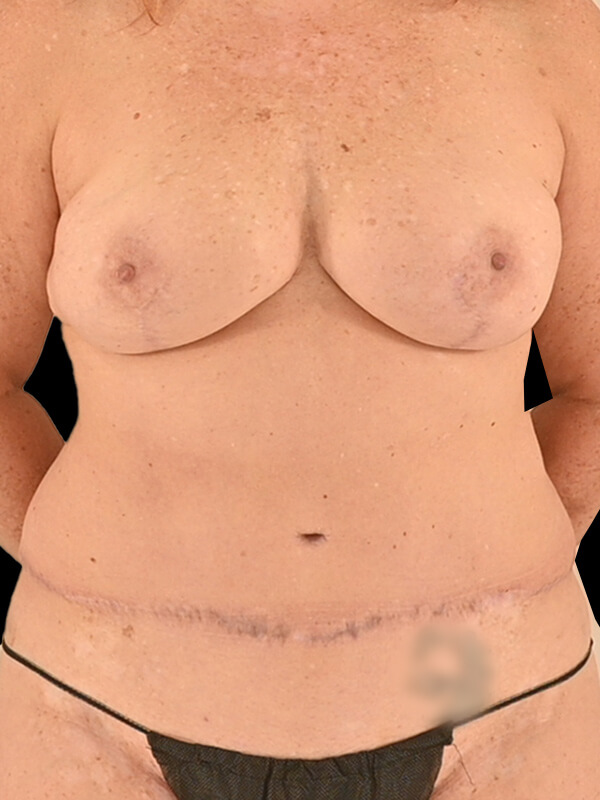
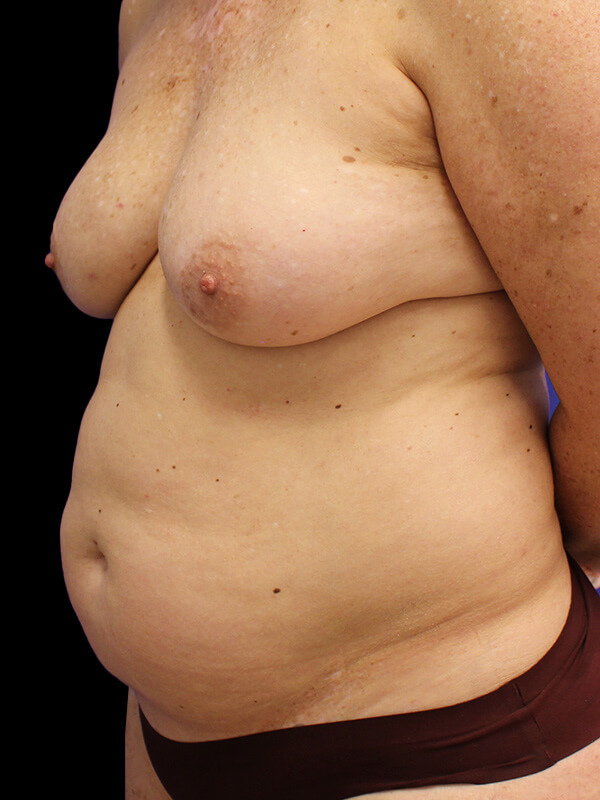
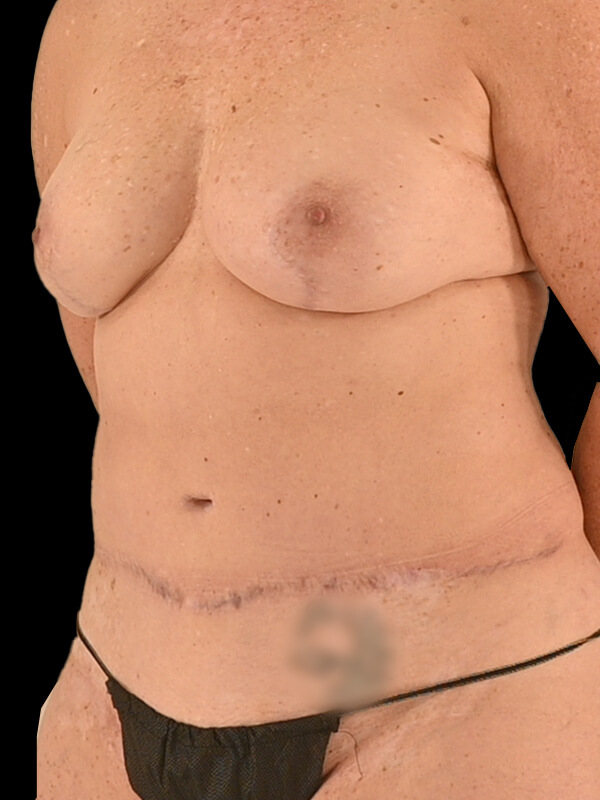
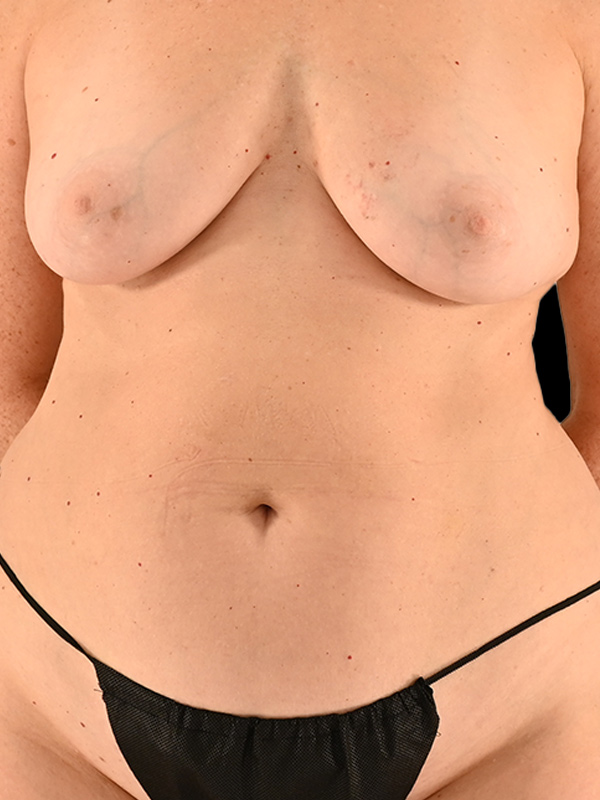
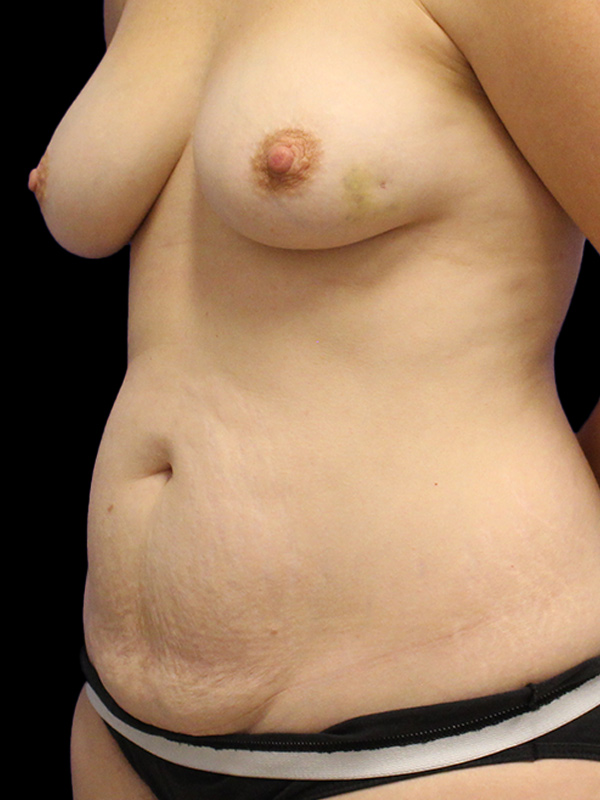
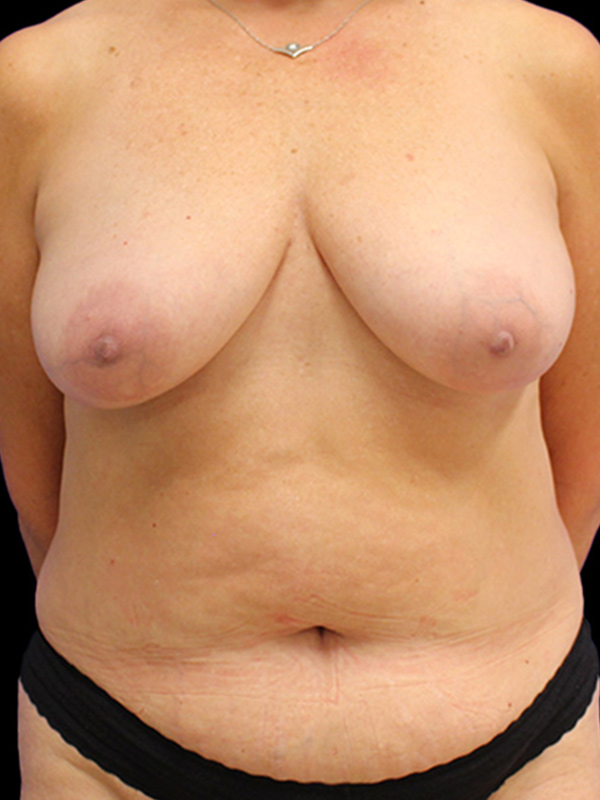
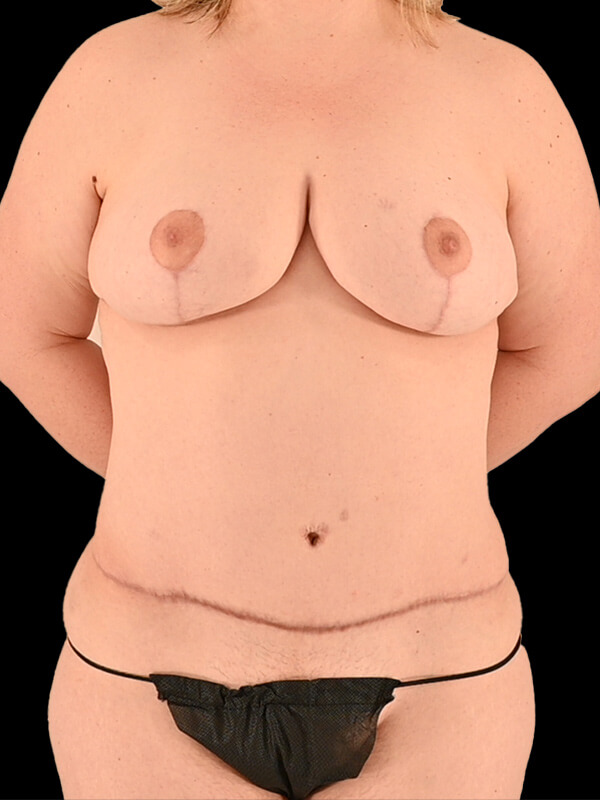
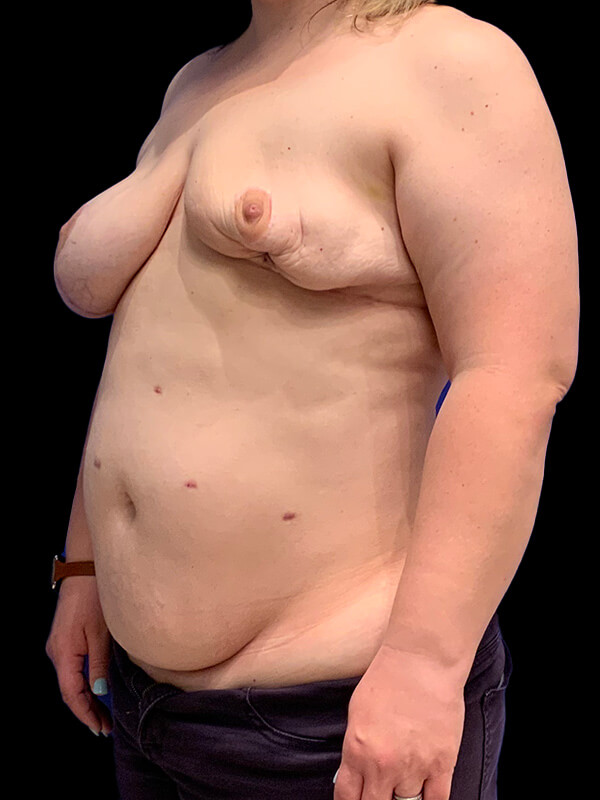
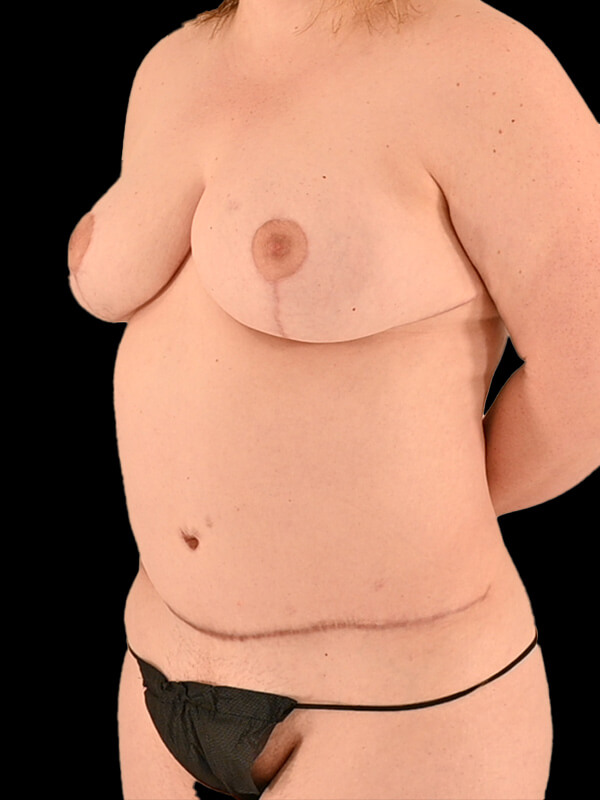
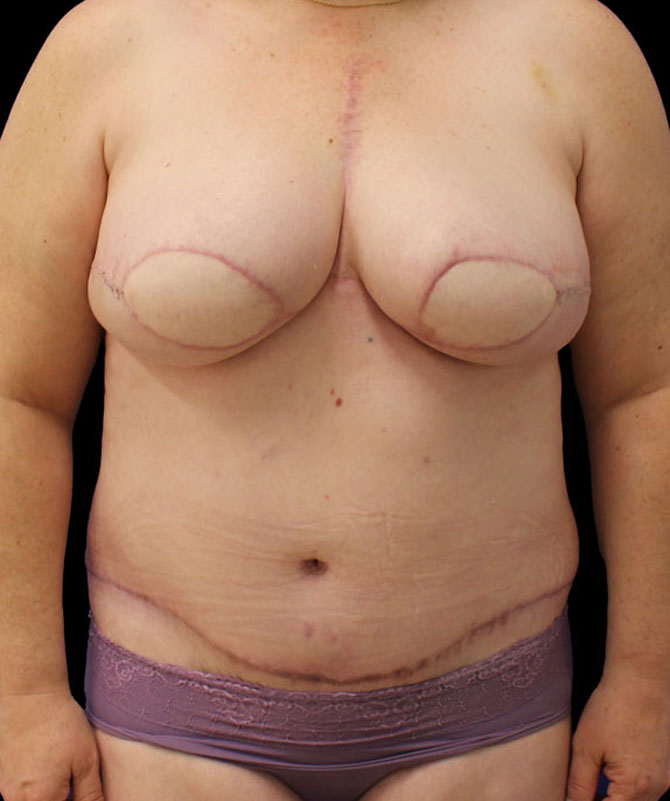
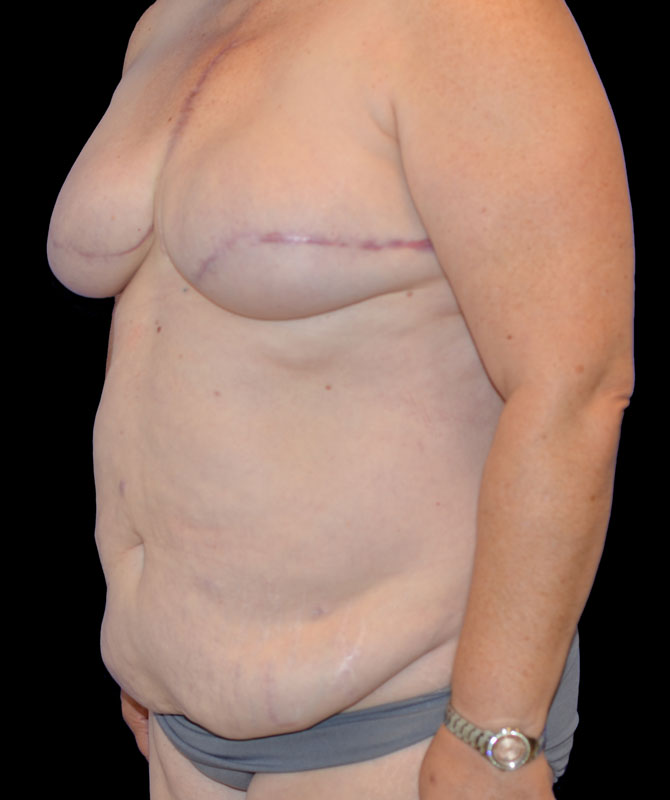
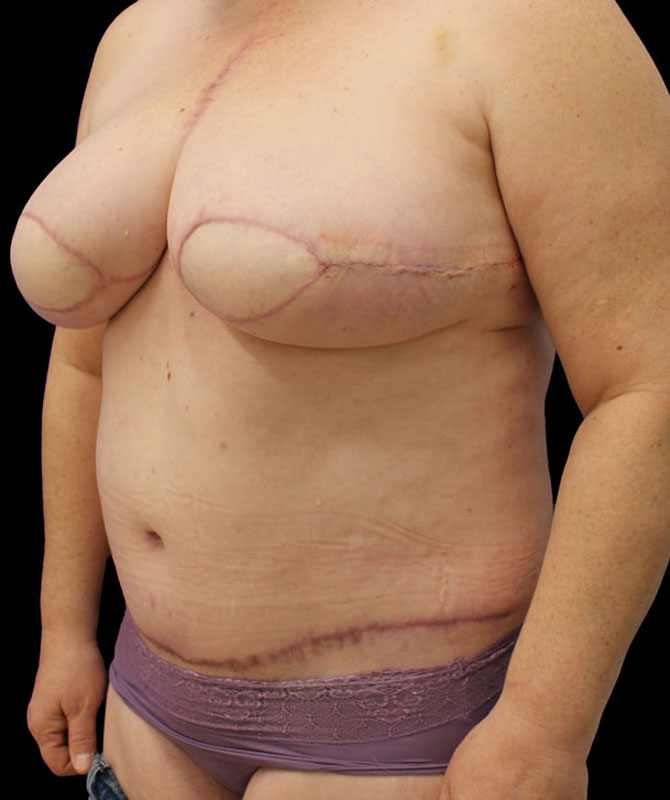
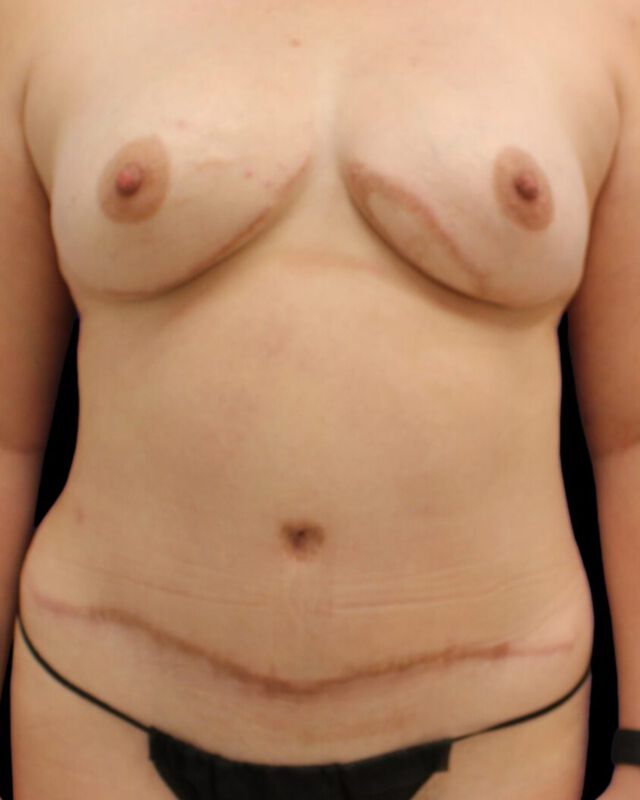
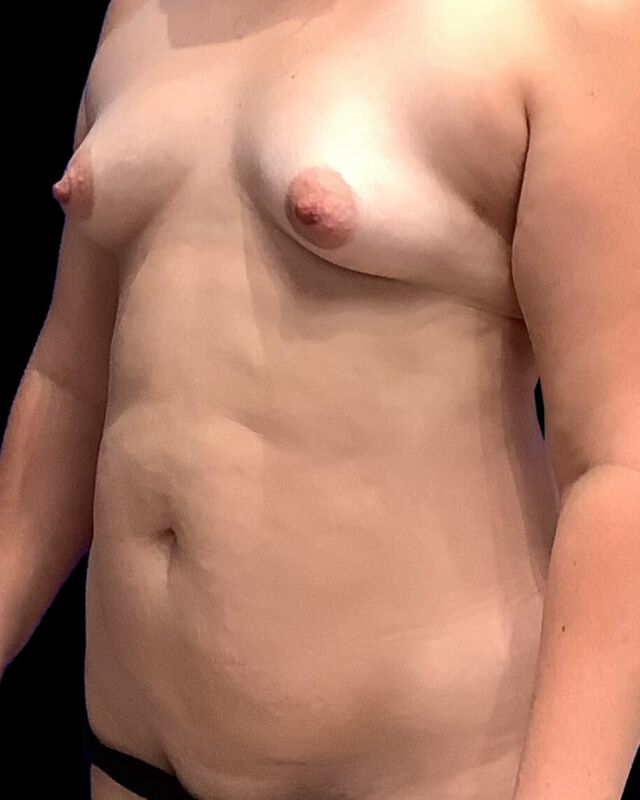
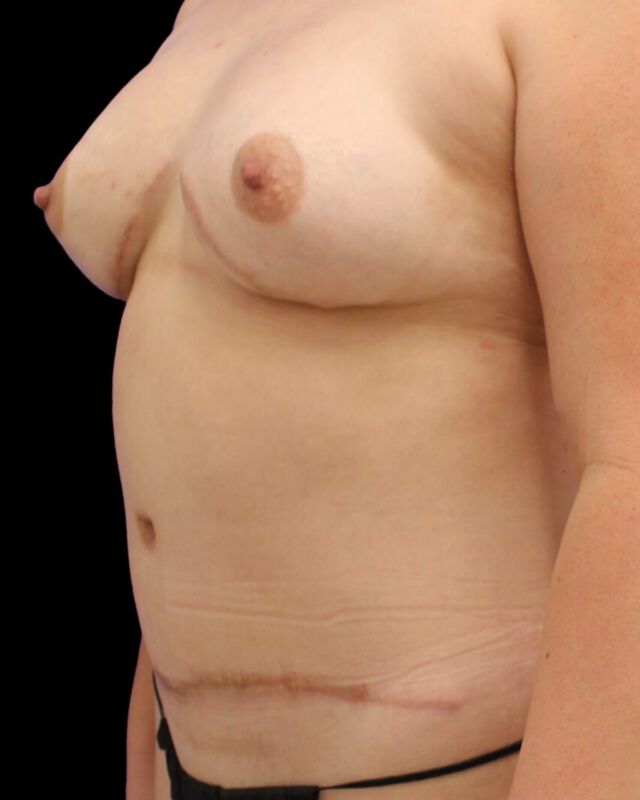
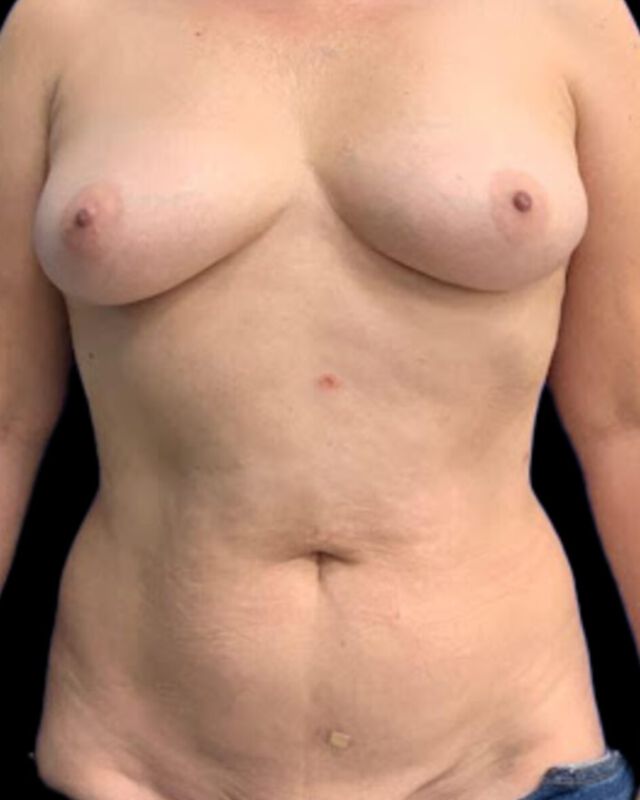
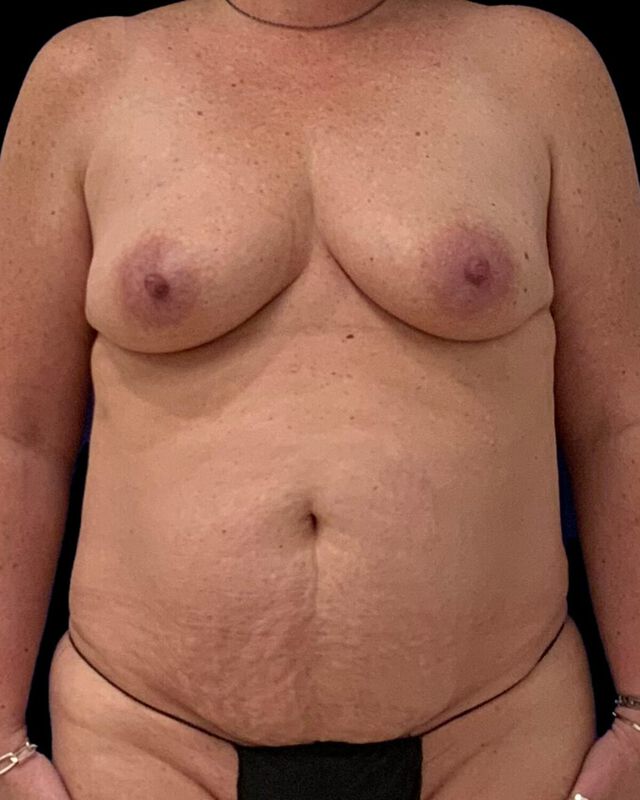
One of the most appreciated secondary benefits of DIEP breast reconstruction is the improvement to the donor site. Because we harvest excess fat and skin from the lower abdomen, the incision is closed in a way that mimics an abdominoplasty.
Patients wake up with a significantly flatter abdomen and improved abdominal contour, similar to the results of a cosmetic tummy tuck. While the primary goal is always safe, effective breast restoration, the aesthetic improvement to the midsection is a welcome bonus for many women.
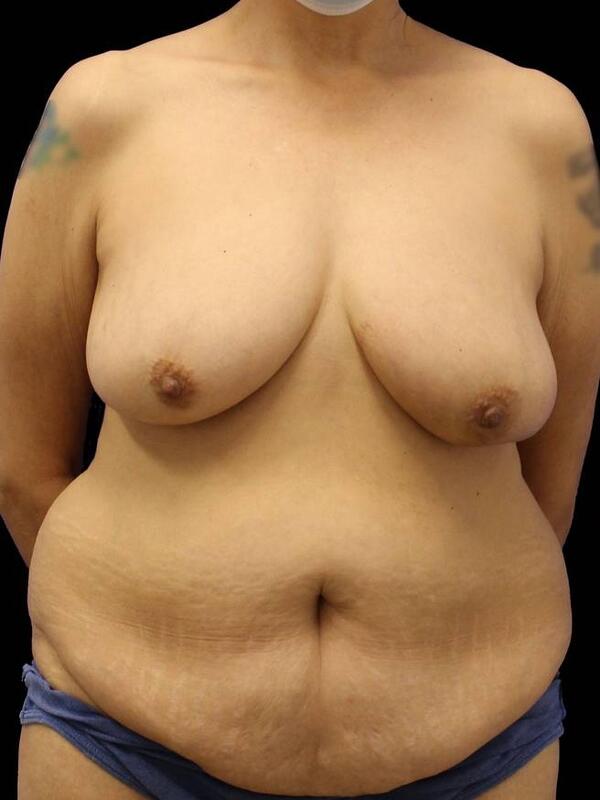
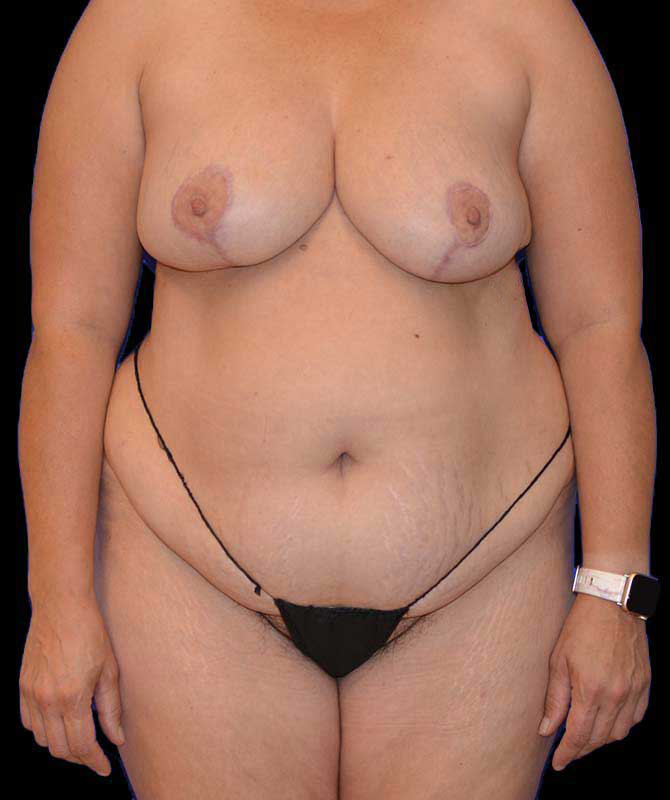
Not every patient is an immediate candidate for DIEP flap surgery services. The ideal candidate typically has enough excess skin and fat on the abdomen to build a breast volume that matches their goals.
You may be a strong candidate if:
Who might not be a fit?
Patients who are very thin may not have enough donor tissue for a DIEP flap. In these cases, we may explore alternative flap reconstruction options, such as using tissue from the thigh (PAP flap) or buttocks (SGAP flap). Additionally, previous abdominal surgeries that severed specific blood vessels might limit eligibility. During your consultation in Chandler, our plastic surgeon will use advanced imaging to map your blood vessels and determine the safest treatment plan.
DIEP flap surgery is technically demanding and requires a highly skilled plastic surgeon—or often, a team of two working in tandem.
The Two-Surgeon Approach
At Southwest Breast & Aesthetics, we frequently utilize a co-surgeon model. This means two experienced reconstructive surgeons operate simultaneously. One surgeon works on the mastectomy site (preparing the blood vessels in the chest), while the other carefully harvests the tissue from the abdomen. This collaborative approach significantly reduces the total time you are under anesthesia, minimizes blood loss, and improves surgical outcomes.
What Happens in the Operating Room?
The surgery takes place in a fully accredited hospital or surgical center equipped for microsurgery.
Because this is a nerve-sparing technique that respects the abdominal wall, we avoid the heavy mesh reinforcement often needed in older TRAM flap surgeries.
Recovery from DIEP reconstruction is a journey that requires patience, but the long-term payoff is a body that feels like your own. Living in Chandler offers a quiet, supportive environment for healing, away from the hustle of central Phoenix.
You will typically spend 2 to 4 days in the hospital. The first 24 hours are critical for monitoring the flap reconstruction to ensure the blood vessels remain open and the tissue stays healthy. You will be encouraged to walk the day after surgery to promote circulation.
Once you are discharged, you will continue your recovery at home.
Week 1–2: Rest is your primary job. You will have surgical drains to manage fluid at the incision points. You will wear a compression garment to support your abdomen and the new breast mound.
Week 3–4: Most patients begin to feel more like themselves. You can likely handle light desk work or short outings, perhaps a brief walk at a local park, but you must not lift anything heavier than a gallon of milk.
Week 6–8: This is typically when patients are cleared for normal activities. Because we preserved the abdominal wall muscle, your core strength returns faster than with other methods. By this stage, most women are ready to return to the gym or their full routine.
It can take up to eight weeks for swelling to fully subside and for you to appreciate your final shape. While abdominal wall bulges are a rare risk compared to muscle-cutting surgeries, we monitor your core healing closely.
As with any major surgery, DIEP flap failures are a possibility, though rare (occurring in less than 1–2% of cases in specialized hands). A "flap loss" happens if the blood supply is compromised. Our rigorous monitoring protocols and two-surgeon technique are designed specifically to mitigate this risk..
Other standard surgical risks include infection, delayed wound healing, or fluid collection (seroma) at the donor site. We discuss these openly during your consultation so you can make an informed choice. We do not just perform surgery; we manage your health comprehensively.
You have choices for your care, but microsurgical breast reconstruction requires a level of expertise that general plastic surgery practices cannot offer.
A common misconception is that the DIEP flap procedure is considered "cosmetic" and therefore not covered. This is incorrect. Under the Women’s Health and Cancer Rights Act (WHCRA), insurance plans that cover mastectomy must also cover reconstructive breast surgery, including surgery on the opposite breast to achieve symmetry.
This coverage extends to the DIEP flap, hospitalization, anesthesia, and any necessary touch-ups. Our office works directly with your provider to maximize your benefits. While deductibles apply, the cost of restoring your body is recognized as a medical necessity, not a luxury.
To help you decide, here is how DIEP flap surgery compares to other common options:
| Feature | DIEP Flap | TRAM Flap | Implants |
|---|---|---|---|
| Material | Own tissue (skin/fat) | Own tissue + Muscle | Silicone or Saline |
| Muscle Sparing | Yes (100% spared) | No (Muscle cut/moved) | N/A |
| Look & Feel | Natural breast feel | Natural feel | Can be firm/round |
| Maintenance | None (Permanent) | None (Permanent) | Replace every 10-15 yrs |
| Recovery | 4–6 weeks | 6–8 weeks | 1–2 weeks |
| Abdominal Risk | Minimal | High (Hernia/Bulge) | None |
You do not have to settle for a reconstruction that feels foreign or limits your life. If you are in Chandler, Gilbert, or the surrounding East Valley, we invite you to explore the possibility of a natural breast restoration.
Schedule a consultation with our breast surgeon to discuss if DIEP flap chandler services are right for you. Let us help you close the chapter on cancer with a reconstruction that restores not just your shape, but your confidence in your own body.
Yes. You will have a scar on the lower abdomen extending from hip to hip, similar to a tummy tuck incision, and scars on the reconstructed breast. Over time, these fade significantly, and the abdominal scar is typically low enough to be hidden by underwear or swimwear.
It depends. A traditional tummy tuck typically removes the extra skin and vessels needed for the flap. However, if you have only had liposuction or a mini-tuck, you might still be a candidate. We would need to review your surgical history.
If your body type is very lean, we may look at other donor sites. The PAP flap (upper thigh) or GAP flap (buttocks) allows us to use autologous tissue from areas other than the stomach.
Many patients achieve some return of sensation. Because the tissue is living and the chest skin is often preserved, nerve regeneration can occur. In some cases, we can perform nerve reconstruction during the surgery to further enhance sensation recovery.
Lymphedema (swelling of the arm) is related to lymph node removal during the mastectomy, not the reconstruction itself. However, some studies suggest that autologous reconstruction with healthy tissue may help reduce lymphedema symptoms by bringing fresh vascularized tissue to the area.
Your journey to better begins with a consultation at Southwest Breast and Aesthetics. Our plastic surgeons set the standards for plastic surgery through their innovative procedures and meticulous attention to detail. Discover a better experience by booking your consultation at Southwest Breast and Aesthetics today.